


Physics
Nobel Prizes 2026 | From neurons to neutrinos
This year’s Nobel Prizes in Physiology or Medicine and Physics span an extraordinary range of research, from nerve cells in the brain to particles arriving from the depths of the universe. Light plays a key role in both award-winning discoveries, albeit in very different ways.
Cosmology
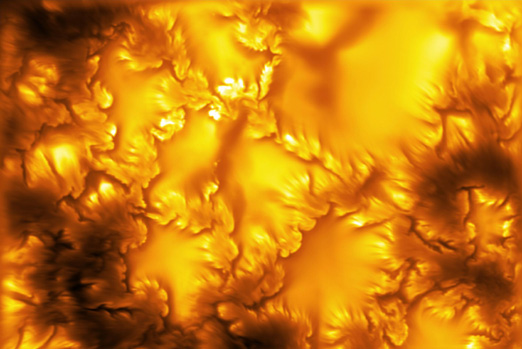
Up close to the Sun
New images from the world’s largest solar telescope show the Sun’s surface in unprecedented detail. For the first time, they reveal tiny plasma vortices on the surface of our star. These vortices may help explain why the outermost atmosphere of stars like the Sun is many times hotter than their visible surface. Researchers have published the discovery in the journal Nature.
Cosmology
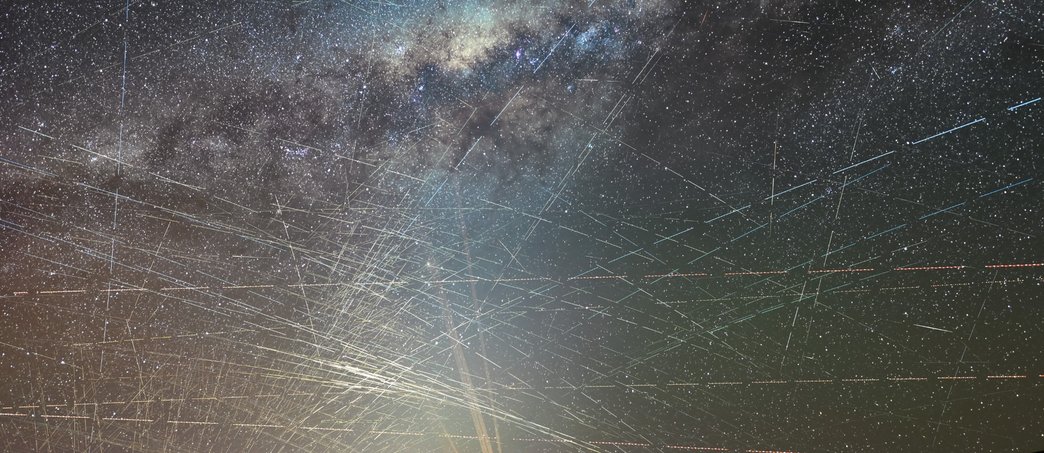
Bright Night
The night sky is no longer truly dark. A newly released image by the European Southern Observatory (ESO) illustrates this strikingly. It shows satellites crossing the night sky above the northern Atacama Desert in Chile within the span of just one hour. The image was created from a sequence of frames taken from a time-lapse video recorded in October 2025, around two hours after sunset. Some of the streaks were left by aircraft and can easily be identified by their flashing coloured lights. Most of the trails, however, were produced by satellites. In the foreground stands the dome of ESO’s Extremely Large Telescope (ELT).
Cosmology
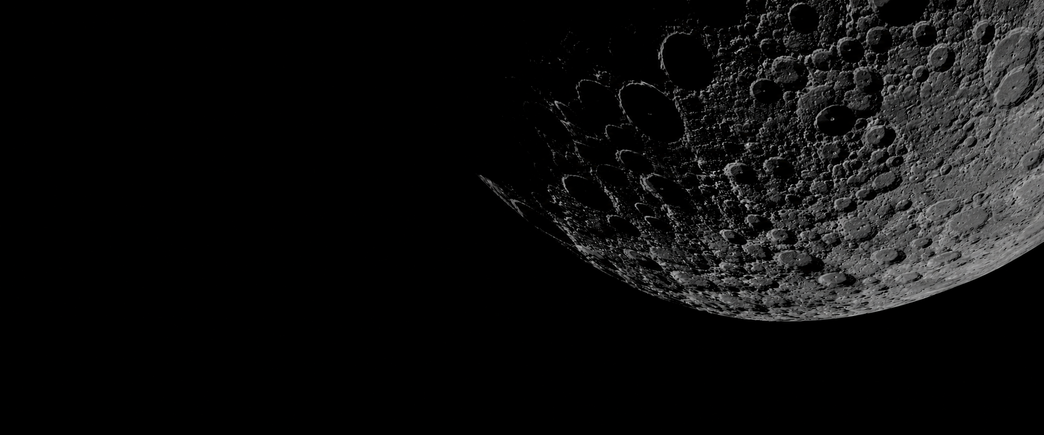
A laser on the moon
The year is 2029. At the edge of a crater that has not seen a ray of sunlight for billions of years, a rover positions its delicate cargo. The cylindrical container looks unremarkable, yet it holds one of the most precise scientific instruments ever to be installed on the Moon. That, at least, is the goal of an international team of researchers from the United States and Germany: to build the most stable laser ever created in one of the coldest, darkest places in the solar system. One day, it could help navigate spacecraft on the Moon or enable extremely precise timekeeping.
art and culture
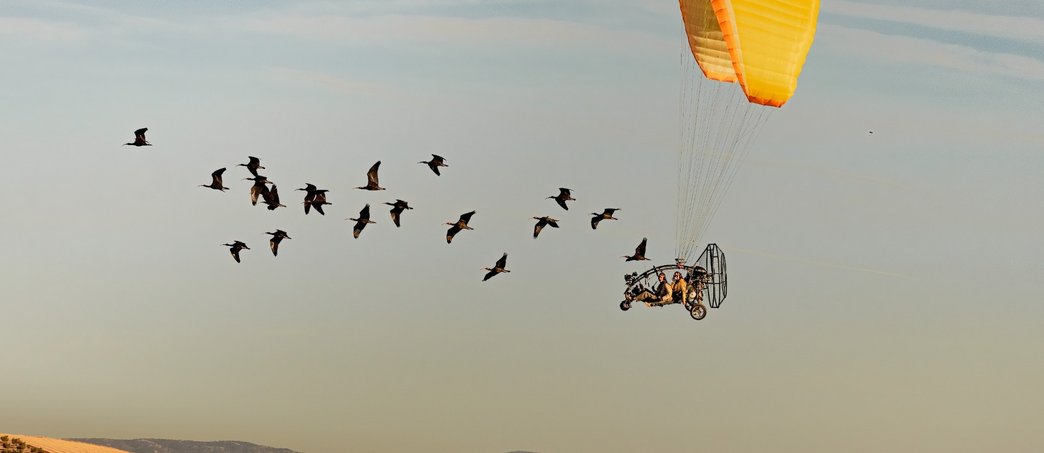
Between Sky, Sea and Microscope
A photograph capturing a shared flight between humans and animals has won this year’s Scientist at Work photography competition organized by the scientific journal Nature. Gunnar Hartmann’s image prevailed against 220 submissions from around the world. The competition aims to make scientific work, both in the laboratory and in the field, accessible to a broad public audience. The winners are selected by a jury of Nature staff members.
Biology
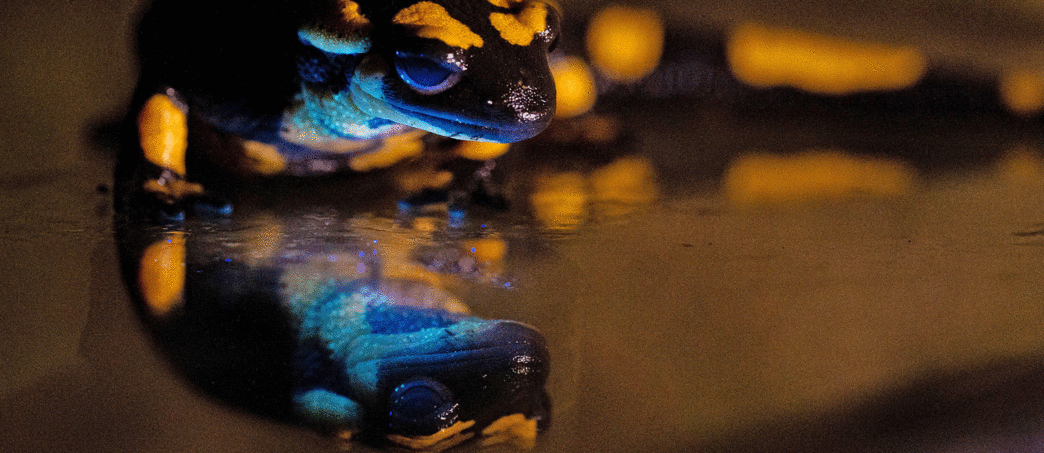
Light for Mating and Defense
Even in daylight, it is a beautiful animal, instantly recognizable by its distinctive black-and-yellow pattern. Yet the fire salamander also knows how to stand out after dark. Under ultraviolet light, the amphibian displays characteristic fluorescent patterns. Its underside and flanks emit a bright turquoise-blue glow. This remarkable phenomenon has now been discovered by an international research team led by scientists from the Natural History Museum of Barcelona.
Slideshow
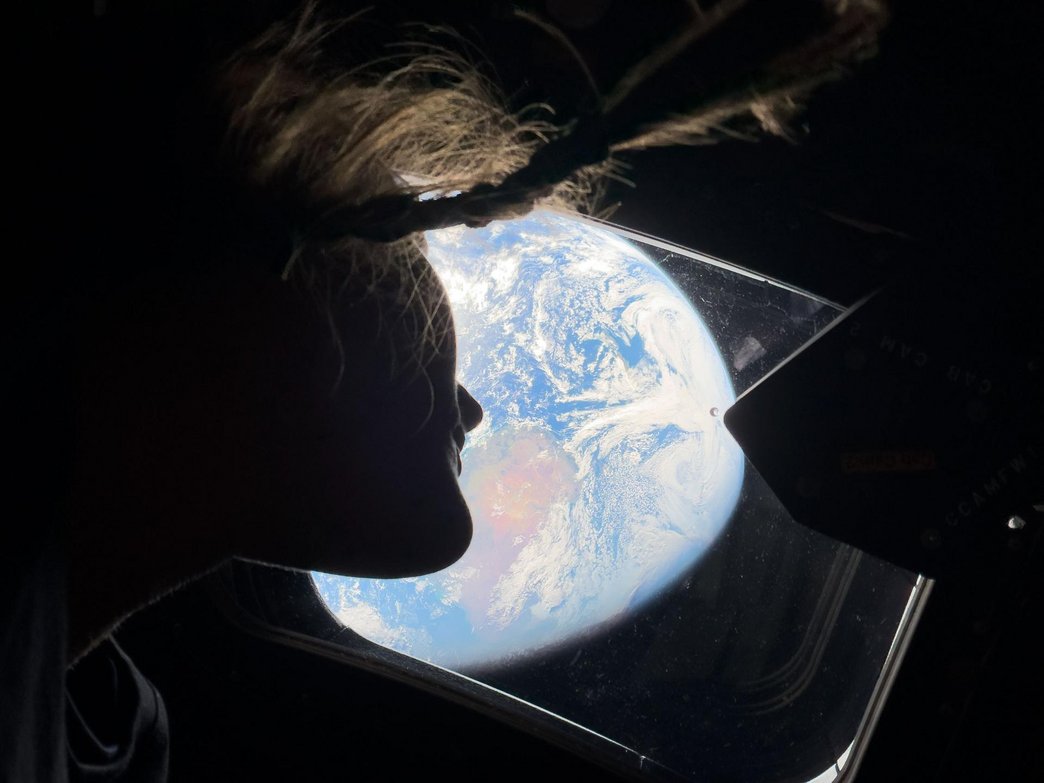
Seekers in the Universe
They still exist — those great collective efforts of humankind that make it possible to explore new horizons, to push the boundaries of what is achievable, and in doing so to open up exciting prospects for future generations.The Artemis II lunar mission by NASA and its international partners has shown that it is still possible to inspire people across the globe — for science, for the spirit of exploration, and for the dreams of an entire species. Millions watched live as four astronauts left Earth aboard a mighty rocket, rising through a tremendous blaze of fire and smoke on their journey toward the Moon.
Physics
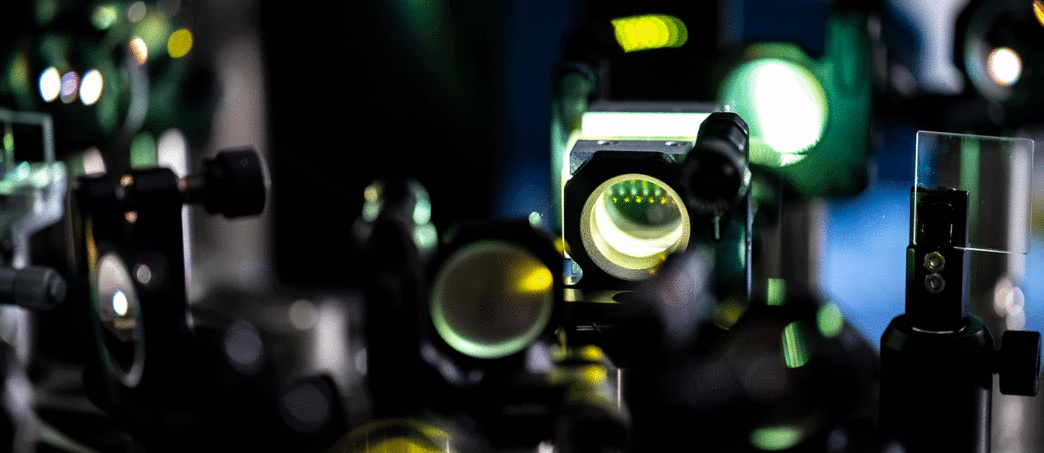
Let there be light in the computer
Will we one day compute with light? Researchers at the University of Oldenburg have taken a small step closer to this long-held dream of electronics. Together with colleagues from Cambridge, Berlin, and Milan, they have discovered an ultrafast switching process that can be controlled using laser light. This mechanism is roughly 1,000 times faster than conventional transistors. However, an unwanted side effect could complicate practical implementation.
art and culture
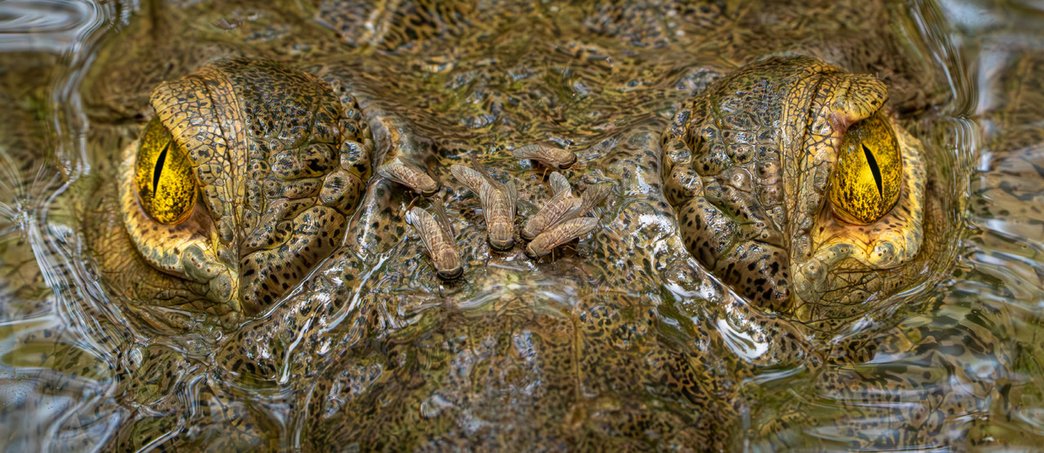
Feast on the Nose
You look into golden eyes. Only then do you discover the blood-sucking horseflies feasting between them. The crocodile to which the piercing gaze belongs seems unimpressed. Zeke Rowe, a doctoral student at Vrije Universiteit Amsterdam, won the British Ecological Society's “Capturing Ecology” photo competition with his picture.
Physics
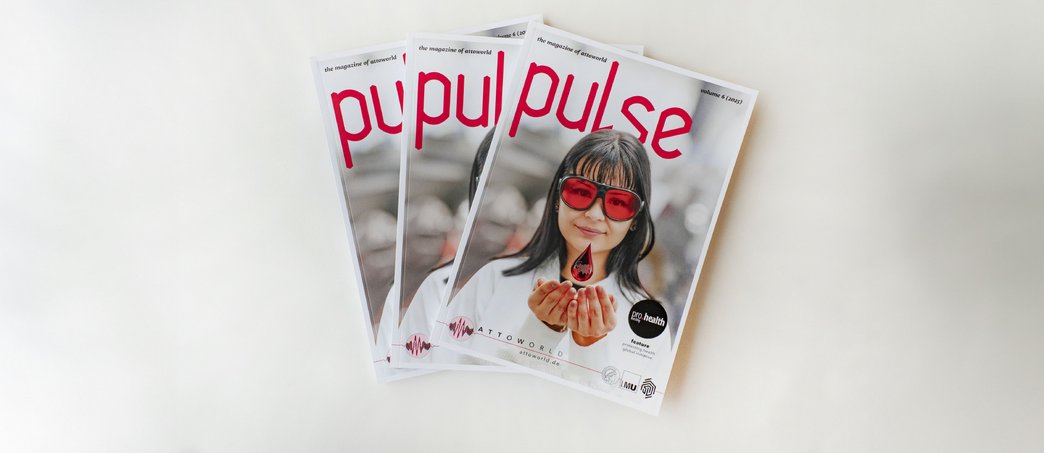
PULSE Vol. 6: Crossing Borders
Will we soon be reaching for the stars? It is hard to imagine. After all, the nearest solar system, Alpha Centauri, lies 4.37 light-years away. Yet why not think boldly and consider how humanity might expand its boundaries?
Interview

“It is like going into a super-protective cocoon”
They are true survivalists. Bacteria can withstand heat and thrive in acidic or salty environments. They can even survive journeys of many thousands of kilometers. Dr. Naama Lang-Yona from the Technion Israel Institute of Technology and Dr. Ilana Kolodkin-Gal from Reichmann University, Israel, are studying how these tiny organisms manage to do this. The researchers have investigated how bacteria survive on the surface of dust particles carried to Israel by desert storms from the Sahara and Egypt. In an interview with Thorsten Naeser, they explain their discovery, what impact it could have on humans, and how humans could benefit from it.
Physics
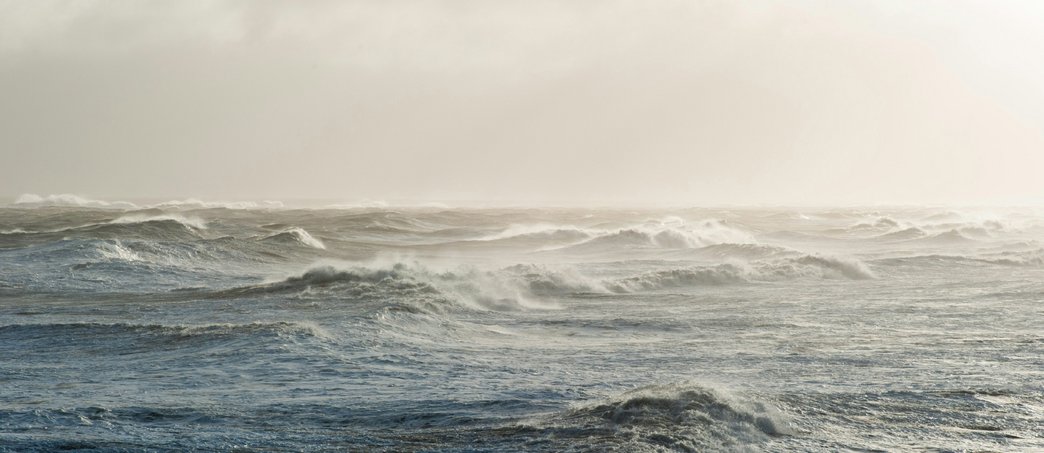
Between Wind and Water
The sound of the waves reveals more about our climate than one might think. Every wave carries the energy of the wind into the sea. But exactly how this works had remained unclear – until now. An international research team at the Helmholtz Centre Hereon in Geesthacht near Hamburg has, for the first time, succeeded in directly measuring the complex interactions between wind and water waves just above the ocean – using laser light. The team presents its results in the journal Nature Communications.
art and culture
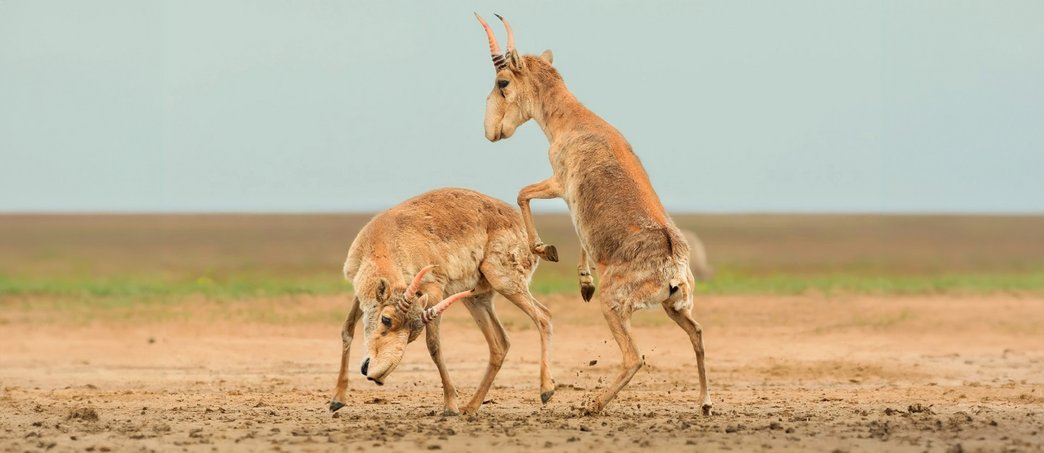
Life and survival
Impressive images capture the beauty, struggles, and ingenious strategies with which the fauna on earth fights for its life and survival. These are the winning photos from this year's photo competition held by the science magazine BMC Ecology and Evolution. The editors once again invited ecologists, evolutionary biologists, zoologists, and paleontologists worldwide to present the most beautiful impressions and results of their work to the public. The jury then selected the winning images not only on the basis of their visual appeal, but also on the clarity of the scientific stories they convey.
Technology

Invisible Teal
In the mythical Emerald City from the children’s classic “The Wizard of Oz”, everything seems to shine in radiant green. But appearances are deceiving: every visitor must wear tinted glasses – supposedly to protect against the city's dazzling brilliance, but in truth to maintain a magical illusion. Now, without any glasses but with a new laser-based technique, researchers at UC Berkeley led by Professor Ren Ng have managed to make people see a blue-green color that lies outside their normal color spectrum. In reference to the literary inspiration, they’ve named the technique “Oz.”
Technology
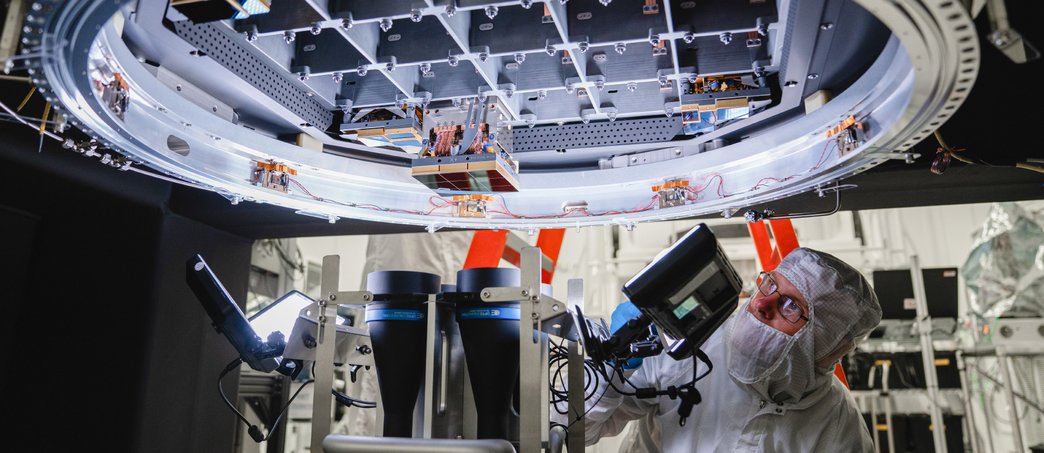
Gigantic resolution
Astronomers have published the first images from the new Rubin Observatory in Chile. They were taken by the world's largest digital camera, which has been put into service there. The camera has a resolution of 3,200 megapixels. At first glance, the images hardly seem to differ from those of other telescopes. But the photos in full resolution demonstrate the true strength of the gigantic camera.
Biotechnology
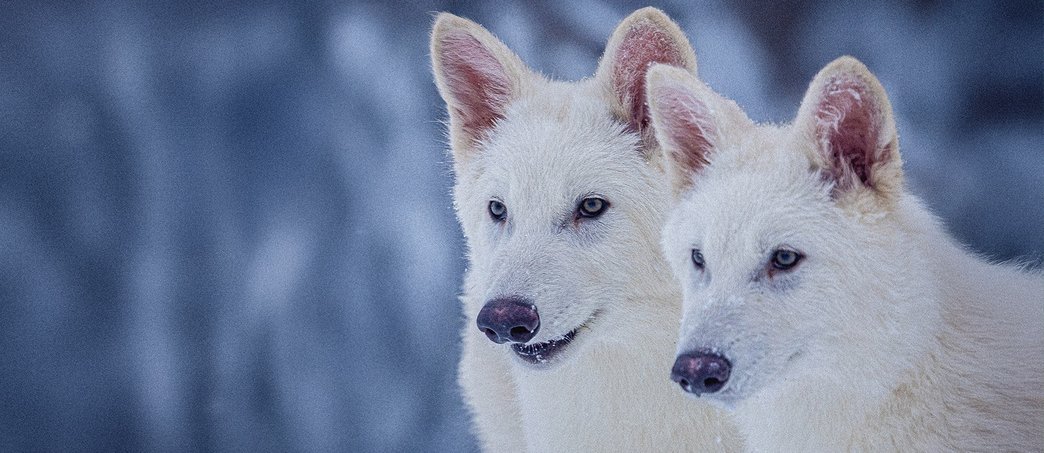
The De-Extinction of the Dire Wolf
Once, they roamed the icy forests of the Pleistocene. Mythic in size and legend, dire wolves (Canis dirus) went extinct over 10,000 years ago. Now, Dallas-based Colossal Biosciences has done the fantastical: three pups, Romulus, Remus, and Khaleesi, have been born, marking the world’s first successful de-extinction of a lost predator. For the first time in millennia, the howl of the dire wolf may echo again.
Cosmology
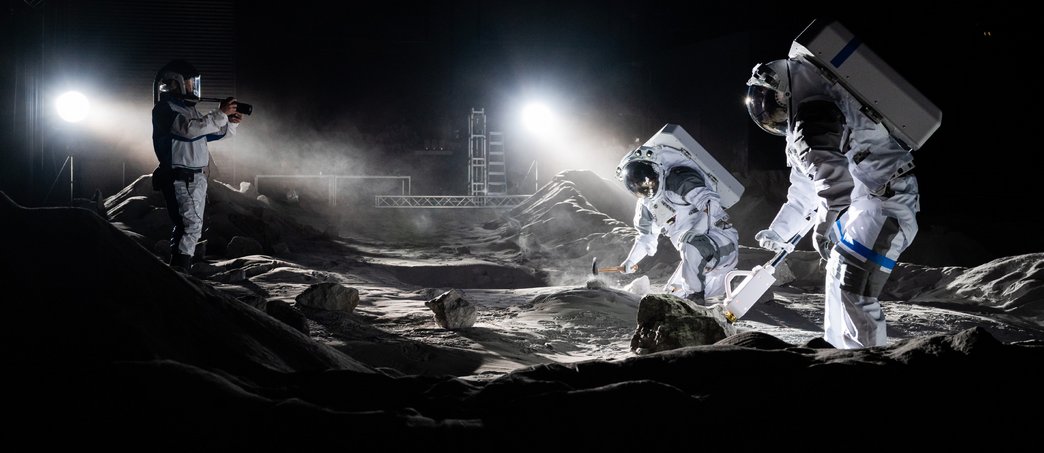
Moon landing live stream
The next time astronauts land on the moon, we will be there live on Earth. And all in high-definition. The transmission will be in color, digital and with up to 60 frames per second. To ensure that this works, data specialists from the European Space Agency (ESA) and the German Aerospace Center (DLR) have tested the technical requirements for this in an artificial lunar landscape at the LUNA research center in Cologne.
art and culture
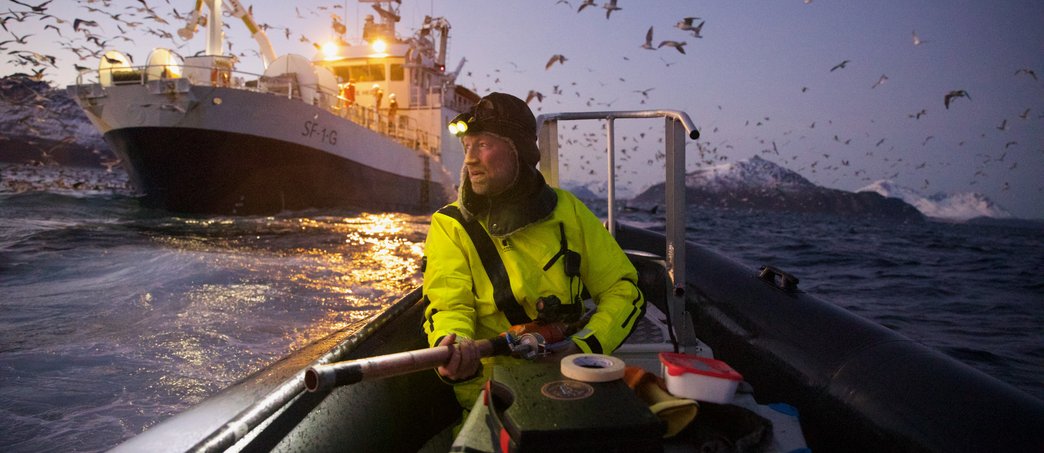
In close contact with whales
Seagulls screech at dawn. The sea is choppy. In a northern Norwegian fjord, a scientist fights against the raging waves in his small boat. The biologist Audun Rikardsen is theatrically illuminated by the floodlights of a fishing trawler approaching menacingly in the background. This photo was taken by Rikardsen's then doctoral student Emma Vogel in November 2020 and is this year's winner of the #Scientists at work photo competition organized by the science magazine “Nature”.
Technology
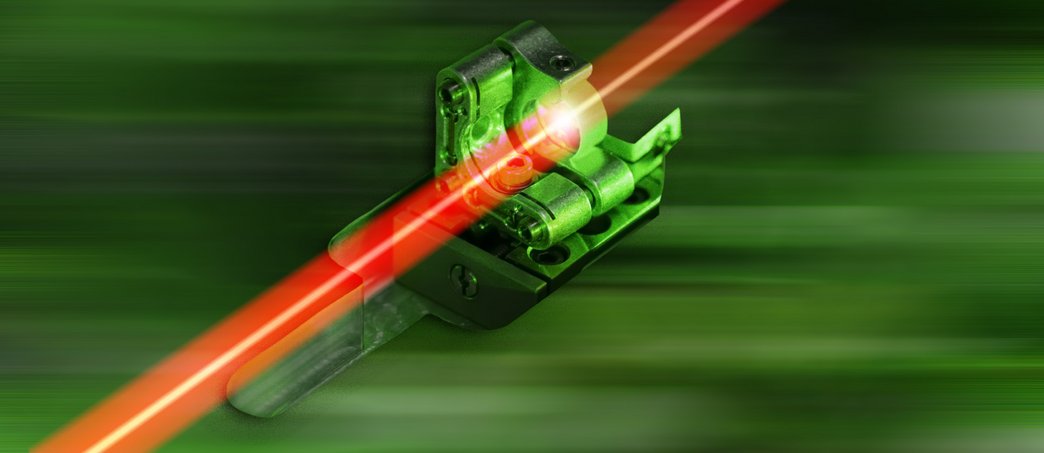
65 years of laser technology
Every year on May 16, the world celebrates the International Day of Light to commemorate a milestone in science and technology - the birth of the first laser in 1960. On this day, exactly 65 years ago, physicist Theodore H. Maiman succeeded in generating coherent light for the first time, thus winning the international race to determine the feasibility of this project.
Biotechnology
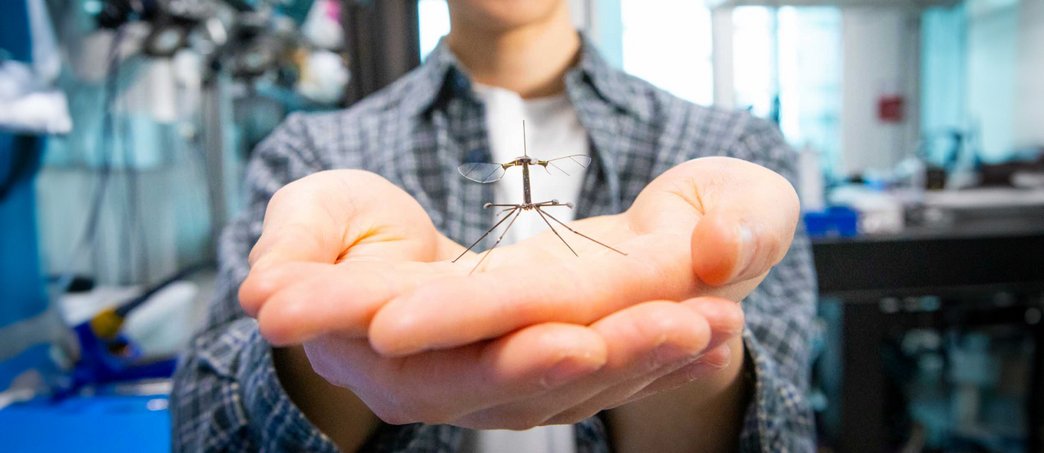
Soft landing for RoboBee
RoboBee has a lot going for it. The nimble mini robot from the Harvard Microrobotics Laboratory has long since proven that it can fly and hover like an insect. But what use are flying skills without a safe landing option? Now the engineers have equipped RoboBee with a reliable landing frame inspired by one of nature's best landing systems: the legs of the crane fly.
Biology
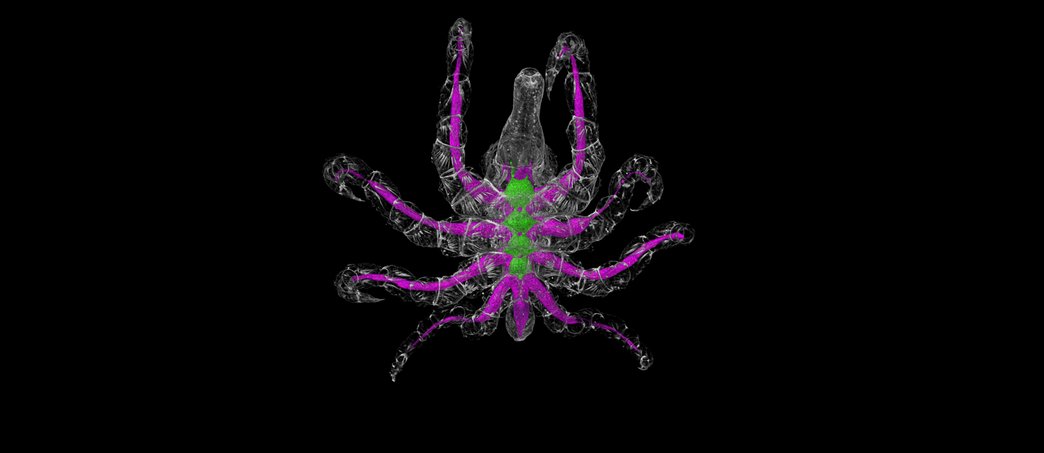
New organs for the isopod spider
The isopod spider Pycnogonum litorale has extraordinary regenerative abilities: It can not only regenerate legs, but also complete torso segments with internal organs such as muscles, intestines and reproductive organs at the rear end of the body. This was discovered by a group of evolutionary biologists from the Universities of Vienna, Greifswald and Berlin. The researchers, led by Viennese zoologist Georg Brenneis, suspect that this regenerative potential may have been an original feature of arthropods.
Geology
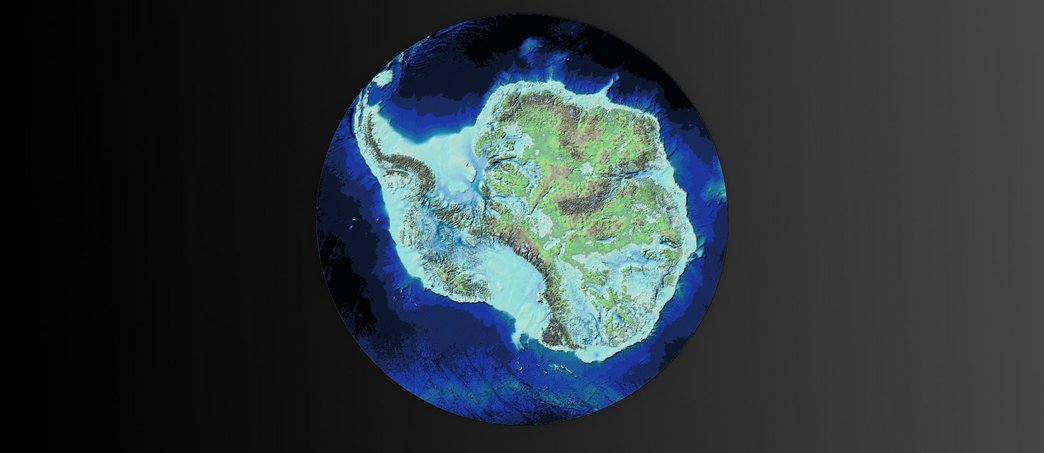
De-icing
The most detailed map of the landscape under the Antarctic ice sheet to date was created by a team of international scientists led by the British Antarctic Survey (BAS) and with the participation of the Alfred Wegener Institute. The map, called “Bedmap3”, covers more than six decades of survey data and imagery collected by aircraft, satellites, ships and dogsleds.
art and culture
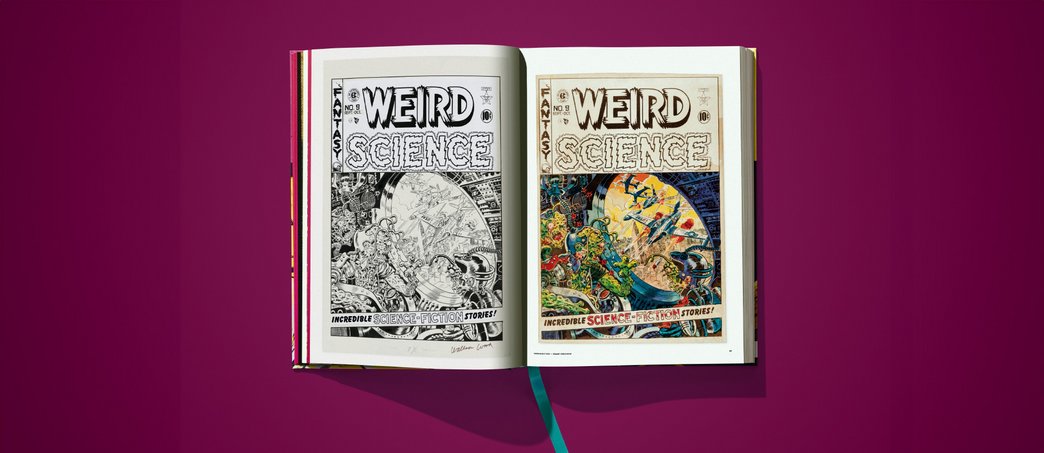
Alien attacks and murderous androids
Attention all comic fans and science nerds. Does anyone still remember the comic books “Weird Science”? Probably not. Because when this series shook up the book market in the early 1950s, very few of us were born. Now “Weird Science” is experiencing a renaissance. Anyone who enjoys eerie, strange and fantastic science fiction adventures should take a look at the new compendium of the same name published by TASCHEN.
Biology
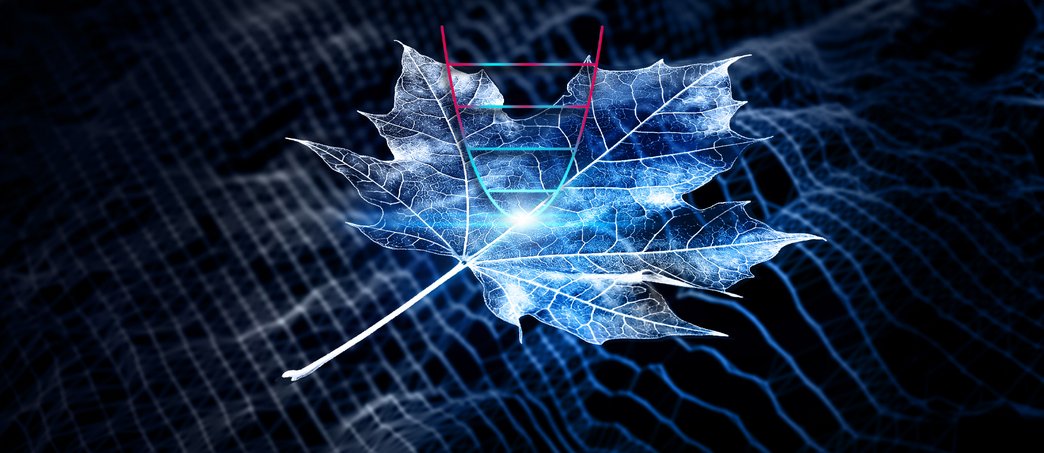
Quantum Physics in Leaf Green
Photosynthesis – the process that makes life possible on Earth – still holds many mysteries. A research team led by Prof. Jürgen Hauer at the Technical University of Munich has recently uncovered a fascinating detail: they’ve discovered how quantum physics affects the very first steps after chlorophyll absorbs sunlight.
Slideshow
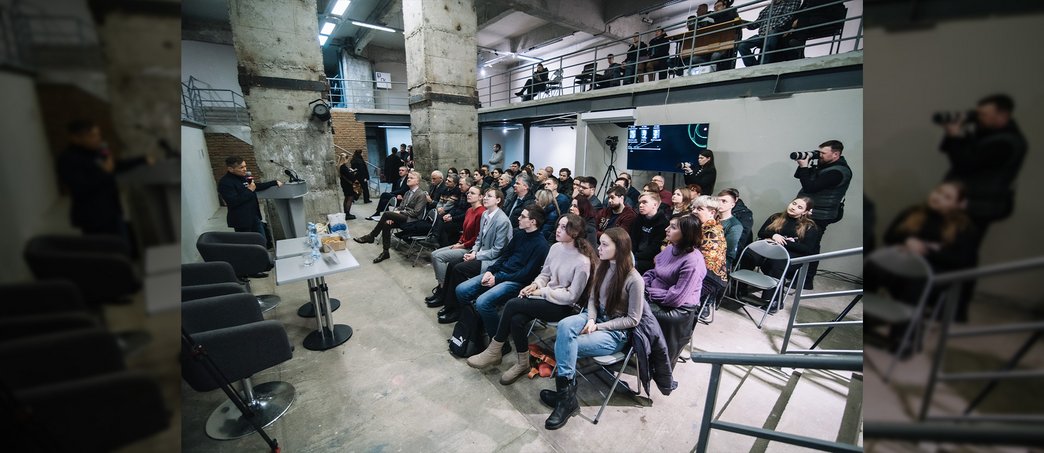
Lecturing in shelters
The Nobel Laureates in Physics Serge Haroche (2012) and Ferenc Krausz (2023) — together with a small delegation of volunteers — visited Ukraine in the first week of March 2025 to give academic lectures and to express their solidarity with the academic community and the people of Ukraine. The Nobel Appeal they brought with them, signed by 131 Nobel Laureates from around the world, was a clear sign that they were doing so on behalf of many colleagues from a wide range of disciplines. Here you can read the report by Ferenc Krausz.
Biology
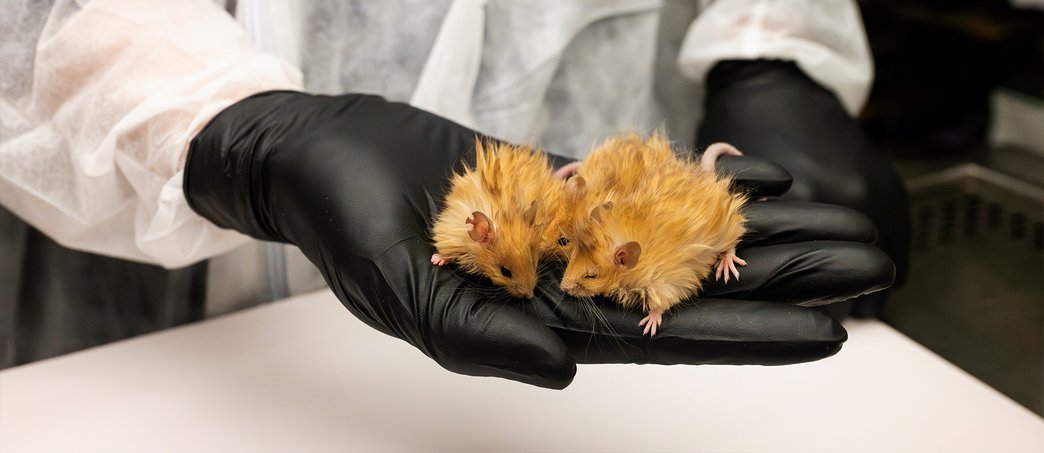
From woolly mouse to mammoth
Could the legendary woolly mammoths soon be roaming the earth again? The chances are not bad at all. The US biotech company Colossal is working on reviving the long-extinct woolly mammoth. The researchers have now reached a milestone. They have bred a mouse with mammoth fur.
art and culture
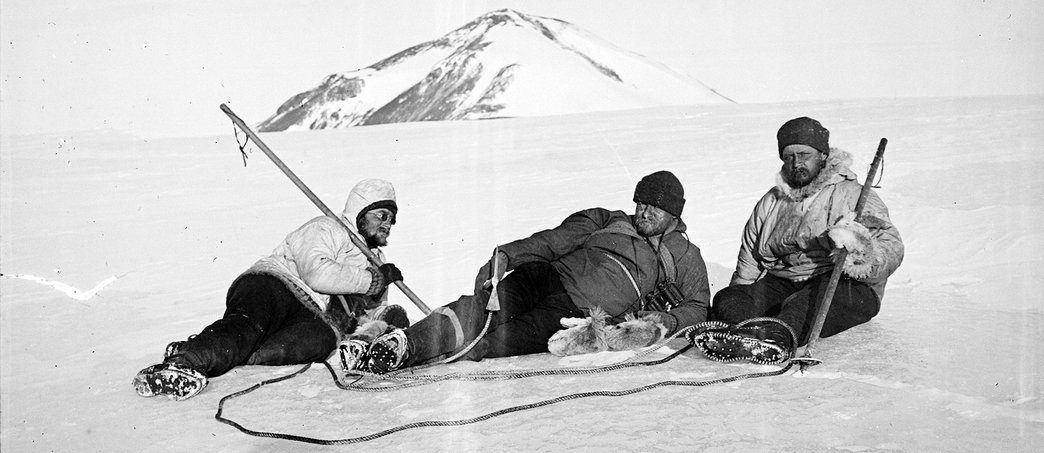
First pictures from Antarctica
At the beginning of the 20th century, Antarctica was terra incognita. Until then, no one had managed to penetrate the interior of the white continent. Massive pack ice and extreme weather conditions thwarted any advance. But that was about to change. In 1901, the “Antarctic Year” was proclaimed. This marked the start of a legendary race. Three expeditions set off for the South Polar region: a British one led by Robert Falcon Scott, a Swedish one led by Otto Nordenskjöld and a German one led by geographer and geophysicist Erich von Drygalski.
Physics
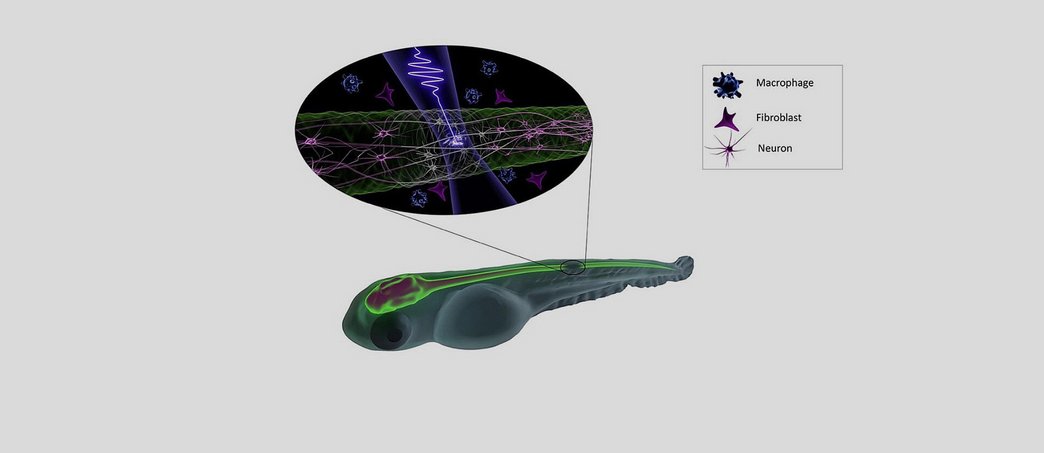
Tiny Things, Big Ideas
Since the invention of the microscope, scientists have been continuously striving to develop technologies that enable us to explore the micro- and nanocosmos. However, research takes time and is shaped not only by facts, but also by the researchers themselves. We often discuss the results of research, but the motivations behind those who conduct them are rarely explored in detail. Driven by an unrelenting pursuit of innovation, the academic journey of Hanieh Fattahi, head of the Femtosecond Fieldoscopy research group at the Max Planck Institute for the Science of Light, reflects the power of unstoppable curiosity and collaboration in science.
Physics
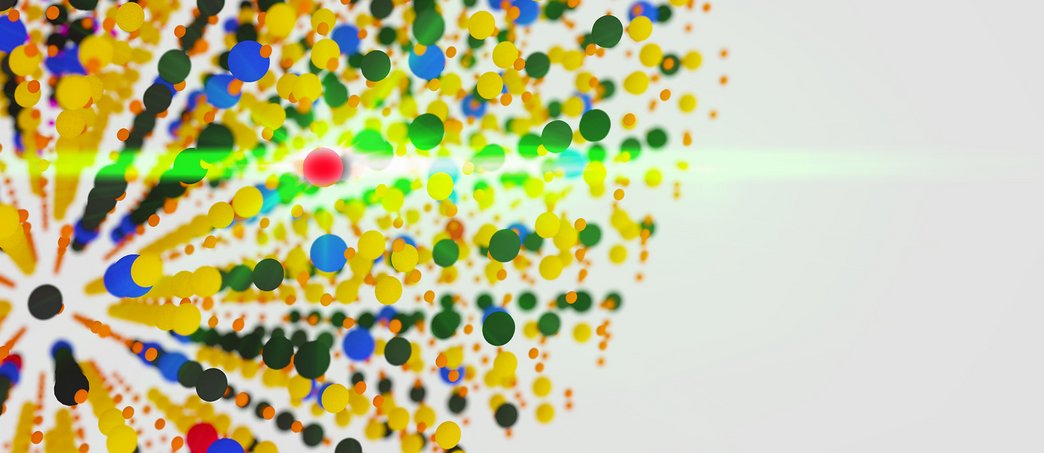
Avalanches of light in nano format
Sometimes it's a small coincidence that can make a big difference. At Columbia University in New York, Natalie Fardian-Melamed and her colleagues from the Schuck Lab together with researchers from the Lawrence Berkeley National Lab have developed tiny nanoparticles that can be used to measure forces. They are based on a process similar to that of a snow avalanche - but at the level of light particles. The study was published in the journal ‘nature’.
Biology
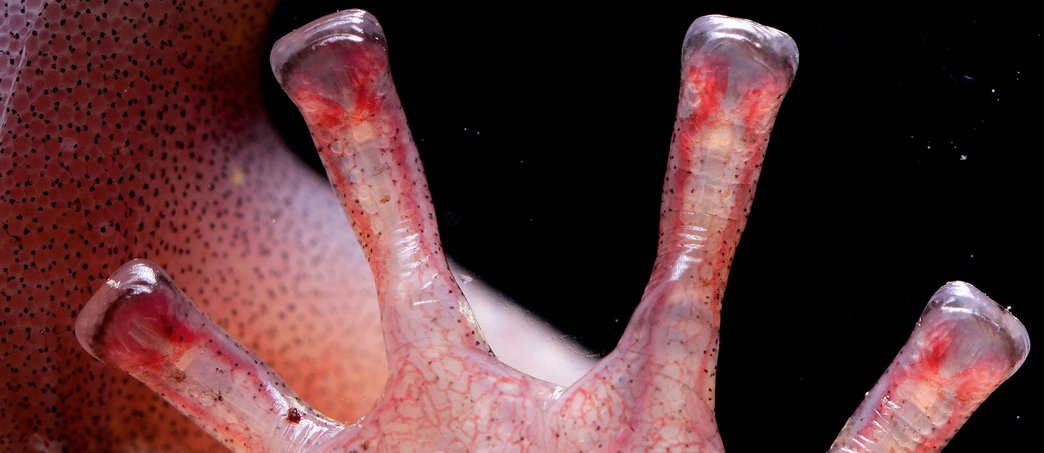
Blood-powered climbing skills
Wandering salamanders are known to glide through the treetops of coastal redwood forests. But how the small amphibians land and take off with ease remains a mystery. A new study now shows that the answer may have to do with a surprising mechanism: blood-powered toes.
Technology
AI amidst technological revolution
It is very hard to pinpoint exactly the time AI swerved into our lives completely changing the possibilities available by the existing technology. AI is by no means something recent as most of the people believe. Its theoretical aspects can be traced back to the earliest days of computation in the 40s and 50s with the most famous concept from that era being the well-known Turing test introduced in his 1950 paper “Computing Machinery and Intelligence”. This paper opens with a crucial question ‘Can machines think?’ with Turing stating that if a human evaluator is unable to distinguish the answers between a machine and a human through a text-based interface, then that machine is said to has passed the Turing test, suggesting that it can mimic human-like thinking and conversion.
Biology
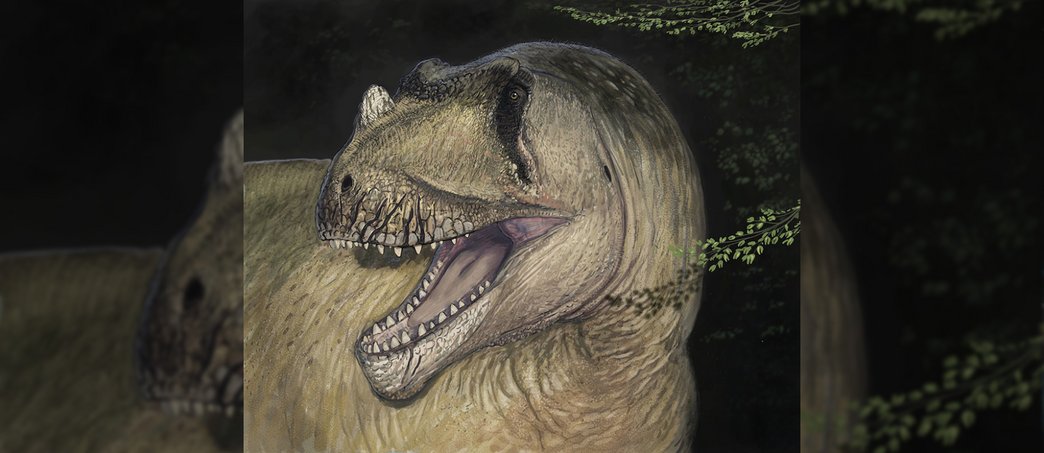
Old photos - new dinosaur
Munich palaeontologists have discovered a new species of predatory dinosaur from the Cretaceous period that is around 95 million years old. The special thing about it: the original fossil find from Egypt was destroyed 80 years ago in an air raid during the Second World War. For their work, the researchers analyzed previously unknown archive photos of the still intact dinosaur skeleton from before 1944.
art and culture
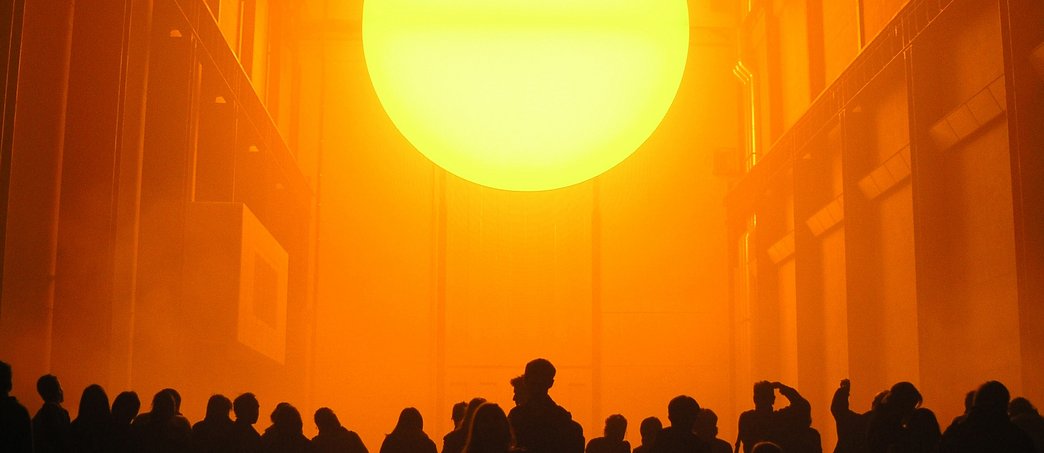
enLIGHTment - Olafur Eliasson´s “The Weather Project (2003)”
Olafur Eliasson, born in Copenhagen in 1967, is one of the most influential contemporary artists, whose works fascinatingly merge science, technology, and art. The Danish-Icelandic artist, who grew up between the urban culture of Denmark and the raw nature of Iceland, deeply integrated these two worlds into his artistic practice. After studying at the Royal Danish Academy of Fine Arts in Copenhagen, he founded his studio in Berlin in 1995. Today, this studio serves as an interdisciplinary platform for collaboration among artists, architects, scientists, and technicians. Light plays a central role in Eliasson's work, which often explores the boundaries between nature and artificiality, science and emotion. His installations, including the internationally acclaimed The Weather Project (2003), challenge viewers' perceptions by presenting light not only as a physical phenomenon but also as a cultural and emotional symbol.
Biology
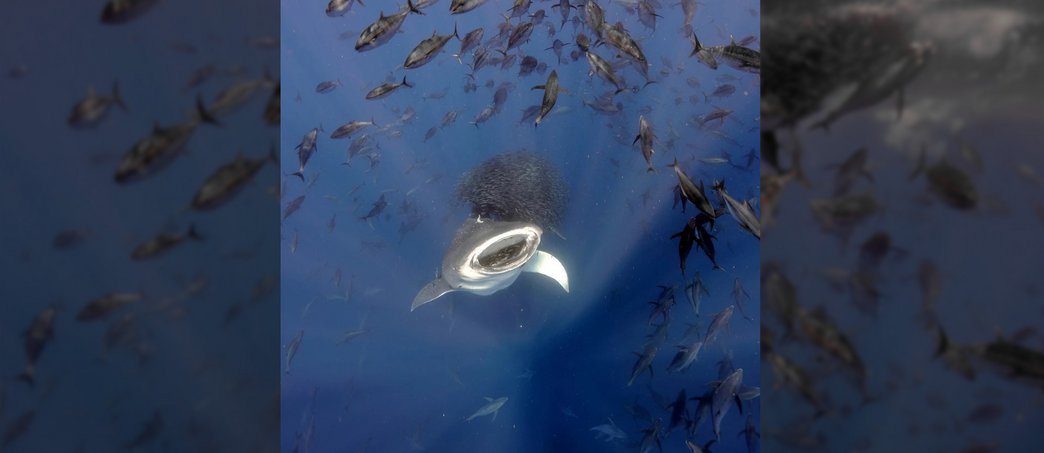
Whale sharks, reefs and a tragic fate
The world's ecosystems are changing. Many are under threat; others are still far from being sufficiently researched. This is shown by the photo competition of the specialist journal “BMC Ecology and Evolution”. Ecologists, evolutionary biologists, zoologists and palaeontologists from all over the world took part in this competition last year, presenting their work on protecting, preserving and researching the Blue Planet in fascinating images.
Physics
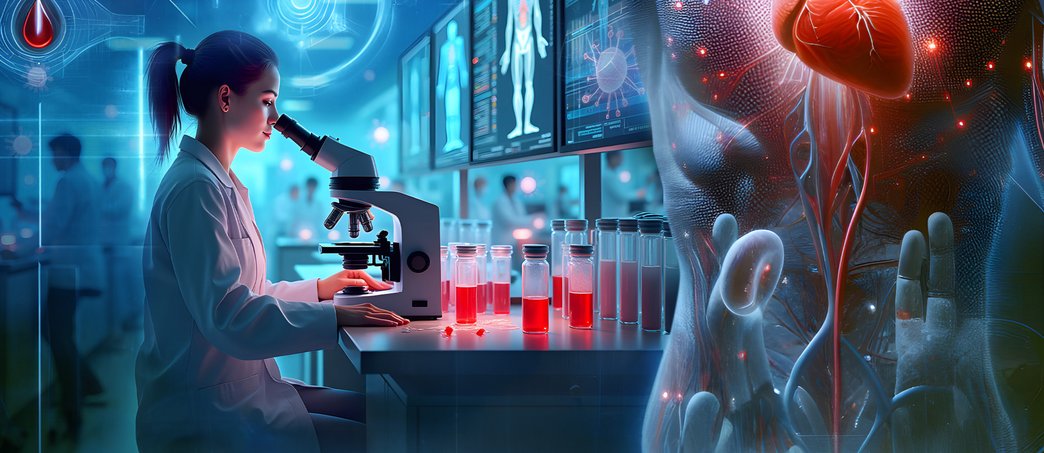
The new “PULSE” is available!
What do you think? Is this text my own work or was artificial intelligence used? It’s hard to say. I have asked myself this question in many of the articles I have read recently. But rarely have I found a clear answer. The fact is that the advance of artificial intelligence in every area of our lives is unstoppable. Be it in journalism, art, or science. Teachers, educators, and university lecturers are faced with the dilemma of recognizing AI in examinations and submitted work and evaluating it accordingly. Especially in work that claims to have generated new knowledge, this can be a challenging search for clues.
Biotechnology
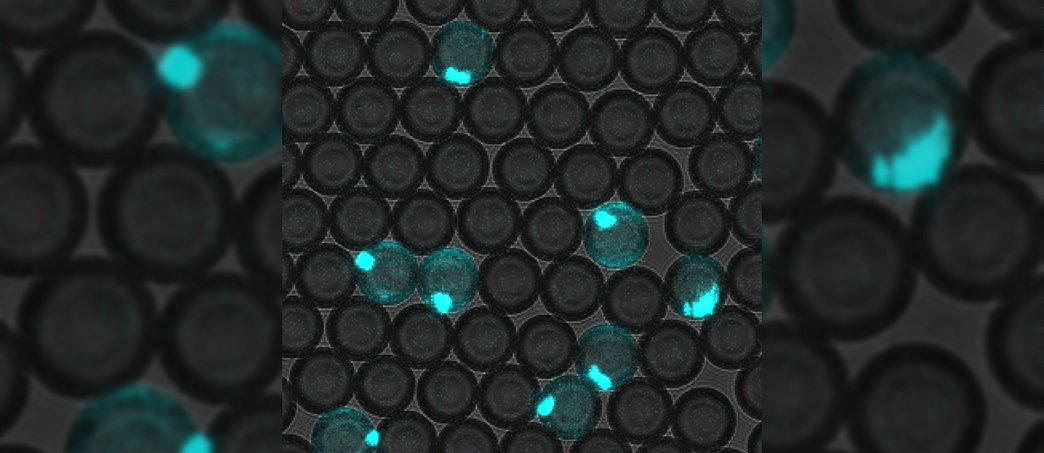
Living mini factories
We live in a dilemma. The resources of our planet Earth are limited. Yet people's hunger for raw materials remains unchecked and insatiable. What can we do? In order to replace unsustainable methods of extracting materials with more environmentally friendly alternatives, microorganisms could be used to produce a range of unique materials, including cellulose, silk or minerals, among other things. The research group led by André Studart, Professor of Complex Materials at ETH Zurich, has now presented a new approach in this direction. By specifically accelerating evolutionary processes using UV light, the researchers have found a way to transform bacteria into living mini-factories. The study was published in the scientific journal PNAS.
Physics
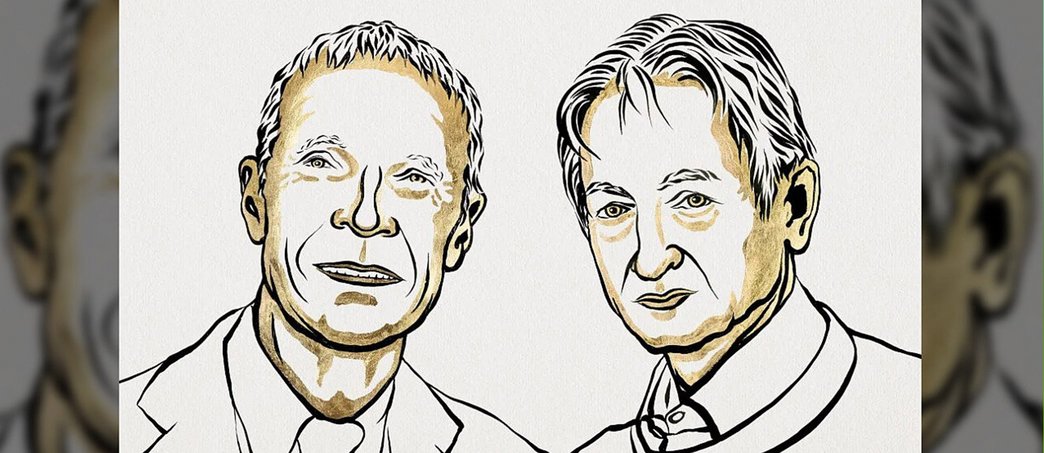
Artificial Intelligence and Its Foundations
This year's Nobel Prize in Physics was awarded to two scientists who have been working on the development of Artificial Intelligence (AI) since the 1980s: John Hopfield from Princeton University and Geoffrey Hinton from the University of Toronto. Their research forms the foundation for machines to learn today and assist us in many areas, from language models like ChatGPT to medical applications.
art and culture

Architecture in the spotlight
The world's great cities glow at night. Artificial light bathes the streets, squares and buildings of major cities in an almost surrealistic atmosphere. Especially during the blue hour, buildings shine in an atmospheric mix of artificial light and residual daylight. This is impressively demonstrated by the striking buildings designed by Santiago Calatrava. The internationally acclaimed architect has a masterly understanding of how to present the shapes and structures of houses, bridges and works of art in a symbiosis of artificial light and daylight. This is demonstrated by the architectural photographs that Calatrava presents in his new exhibition, which has now been published as an illustrated book.
Cosmology
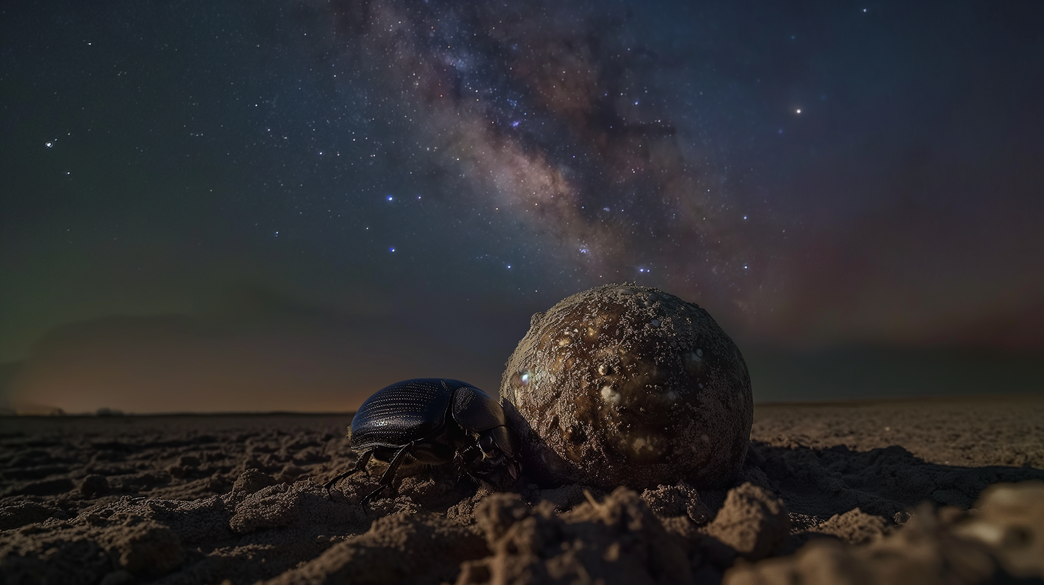
The stars as a guide
The sense of direction of a tiny dung beetle is the model for new navigation software that is guided by the light of the Milky Way.
Cosmology
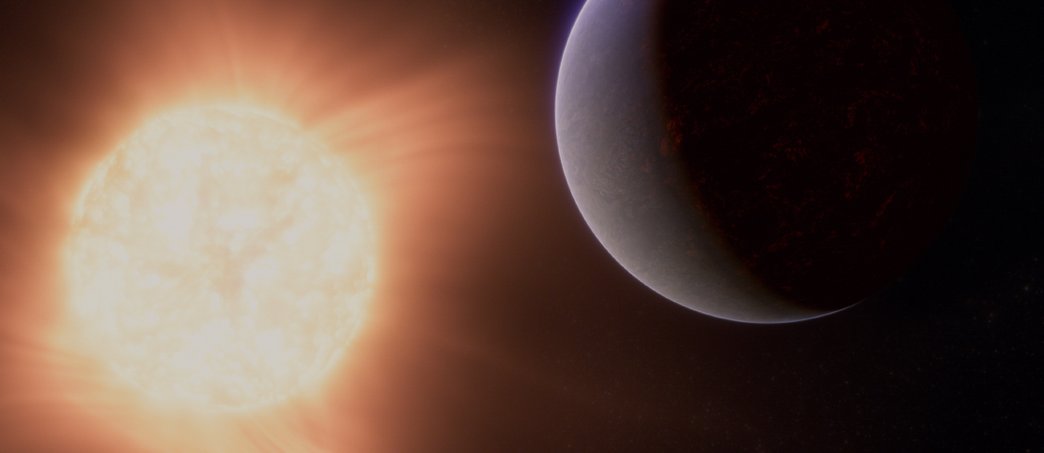
The Super-Hot Super-Earth
While searching for planets with an Earth-like atmosphere, NASA researchers have stumbled across a magma planet suitable for a sci-fi adventure. The magma planet provides the best evidence to date for the presence of atmospheric gases on a rocky exoplanet.
Technology
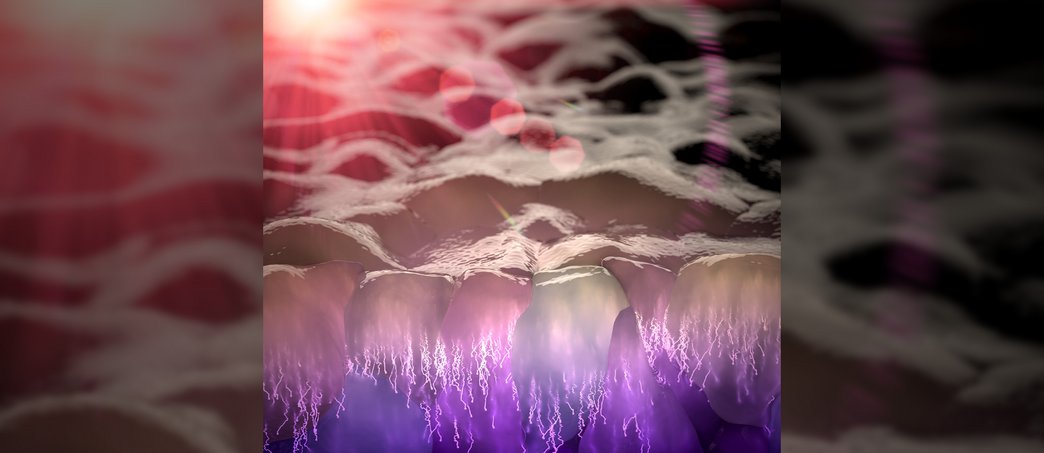
Frenzy in perovskite
Physicists from the University of Regensburg and the University of Oxford have investigated how electrons move in perovskite, a new type of solar cell material. The results provide insights into how the material can be used efficiently for photovoltaics.
art and culture

ALICE IM QUANTENLAND: Episode 3 is online!
After the successful live premiere weekend on June 29 and 30, 2024 at the “Münchner Wissenschaftstage / forscha” and the “Festival der Zukunft” at the Deutsches Museum, the third episode of the German language radio play " "Alice im Quantenland" is now available for listening on all common streaming portals. This time, Alice, Schrödinger and Rabbit go to the quantum funfair, where there are once again some unusual things to discover and experience.
Physics
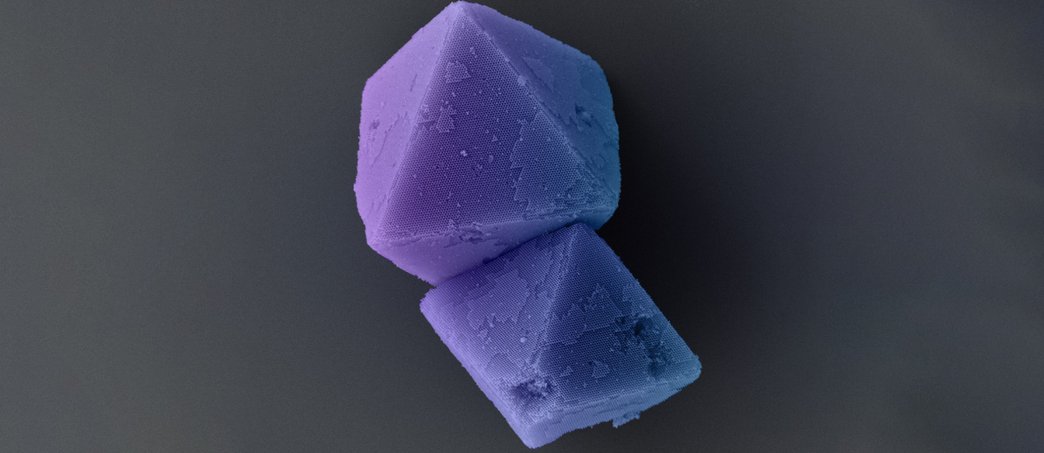
Origami with DNA crystals
Physicists at Ludwig-Maximilians-Universität München produce a diamond lattice by folding DNA strands. A new approach to producing semiconductors for visible light.
Cosmology
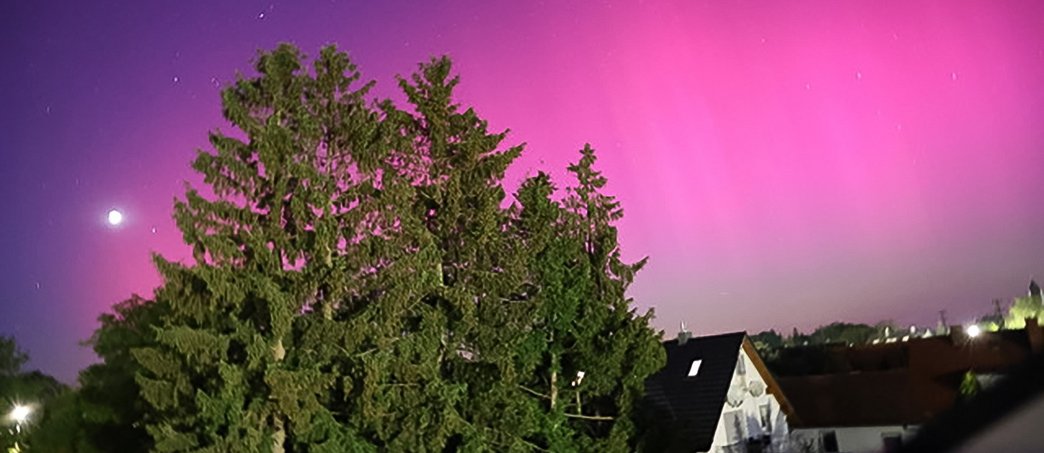
A colourful and bright night
At the beginning of May the sky was lit up with what at first glanced looked like purple clouds. But they weren’t clouds, they were polar lights! And right above our heads here in Garching. Dr. Keyhan Golyari tphotographed the spectacle. Here he explains the phenomenon of the northern lights.
Physics
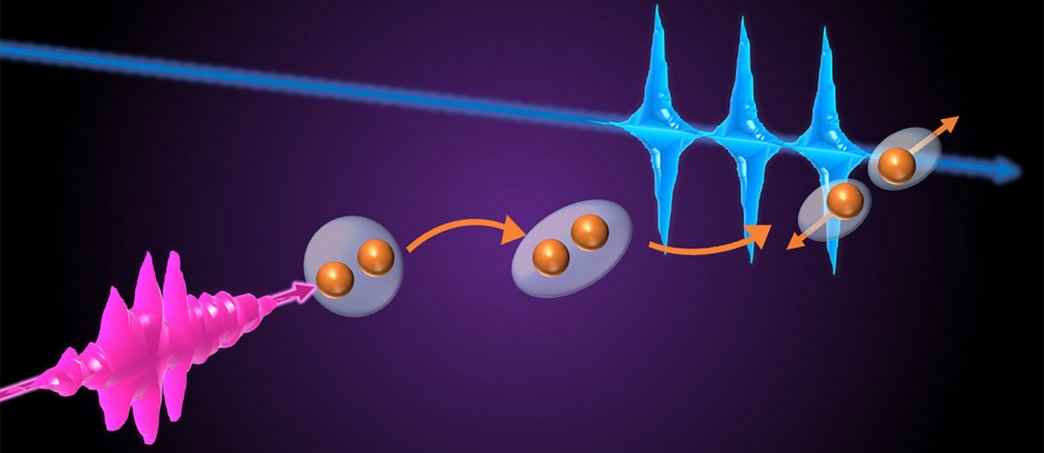
Hacked with ultraviolet light
Researchers at the Max Planck Institute for Nuclear Physics in Heidelberg have succeeded in exciting an oxygen molecule using a combination of two extremely ultraviolet light sources, causing the molecule to dissociate. The researchers were able to observe this dissociation in real time. In future, this could make it possible to record, understand and control more complex chemical reactions with light. Another important step on the way to quantum-mechanically targeted control of chemical reactions.
Biotechnology
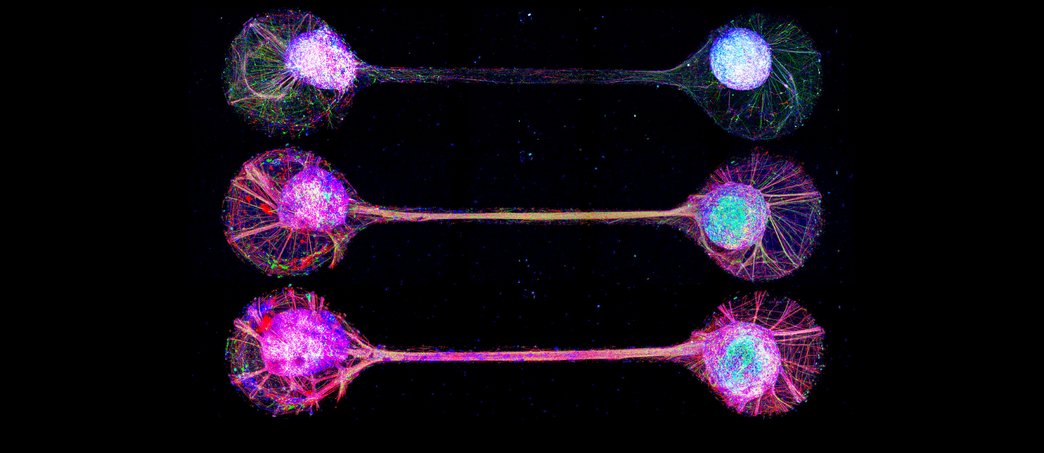
Circuit in the petri dish
The idea of growing a functioning human brain tissue in a petri dish sounds rather utopian. But you should never say never. A Japanese-French research team led by Dr. Tatsuya Osaki has now actually developed a technique with which brain-like tissue grown in the laboratory can be connected in such a way that it resembles the circuits in our brain. The team used neuronal organoids as building blocks for this mini-network: experimental model tissue in which human stem cells were grown into three-dimensional, brain-like structures.
Biology
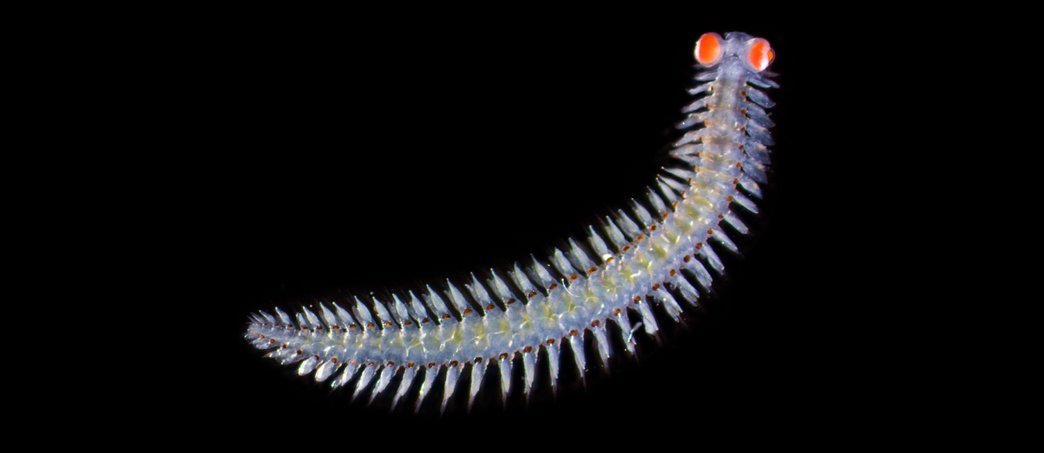
UV light as a secret language
Why does an almost invisible, transparent worm develop huge eyes? The bristle worm Vanadis has been doing just that for millions of years. Now marine biologists from the Faculty of Biology at the University of Copenhagen and Lund University have gotten to the bottom of the phenomenon. The researchers suspect that the marine worms have a secret language that uses UV light, which is only seen by their own species.
Physics
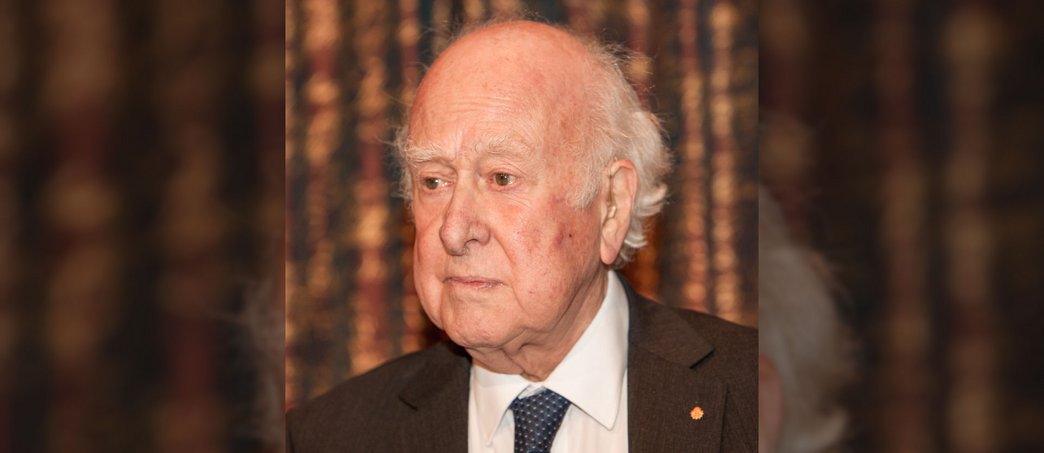
The inmost force which binds the world
Goethe's Dr Faust, in search of the nature of our existence, had desperately turned away from science to devote himself to magic and the devil, " that he may detect the inmost force, which binds the world, and guides its course." Almost 60 years ago, however, it was not the devil nor magic that was involved, but a number of clever minds. In three publications that appeared simultaneously in the summer of 1964 a total of six scientists published their theories as to why some elementary particles have mass and thus provided an explanation as to what holds our world together. According to this theory, certain initially massless elementary particles, the so-called gauge bosons, derive their mass from their interaction with a background field that pervades the entire universe. However, this field cannot be observed directly, so that its existence can only be proven indirectly. The theory of the origin of mass formed a central building block for the standard model of elementary particle physics in use today.
art and culture
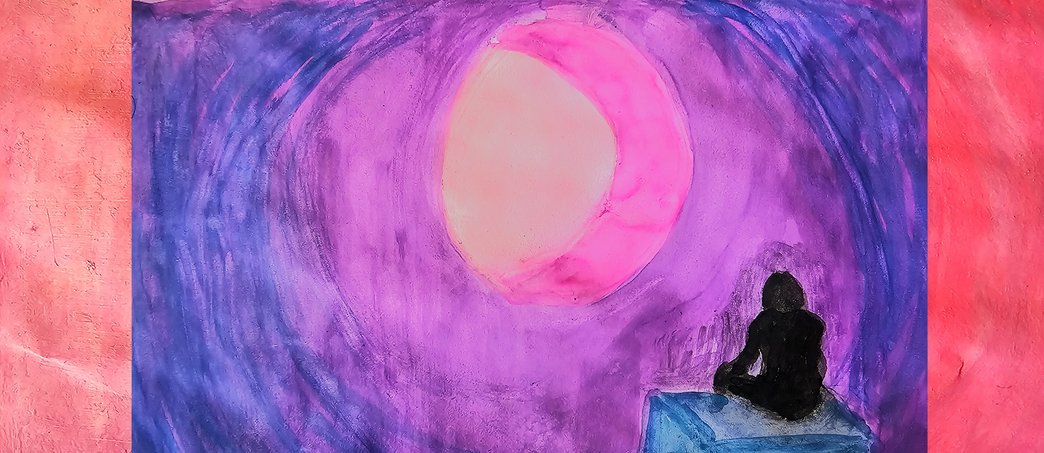
Light unlimited: ”No object, no image, no point of focus.“
Light is life. It fascinates and magically attracts us. As light at the end of a tunnel, it becomes a symbol of hope and is associated with ideas of the afterlife. However, you can already experience in this world what it is like to immerse yourself in a seemingly boundless space of light. And not far from where our ATTOWORLD laboratories are located. The newly designed Diözesanmuseum on the Domberg in Freising makes this experience possible in a unique light installation by the internationally renowned contemporary artist James Turrell.
Cosmology
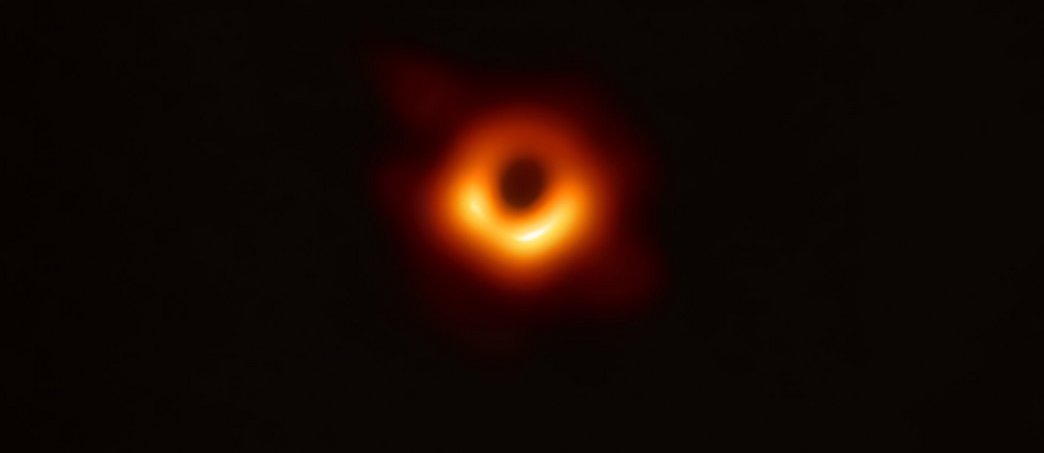
The hungriest black hole in the universe.
At the beginning of time, an ancient black hole sits at the heart of a galaxy called GN-z11. The small but active black hole was born more than 13 billion years ago, 400 million years after the Big Bang. It "feeds" on the matter of its host galaxy. By preventing the formation of stars, it initiates the demise of the galaxy. A team of astronomers led by Professor Roberto Maiolino from the University of Cambridge has now investigated this supermassive "hungry" black hole.
Physics
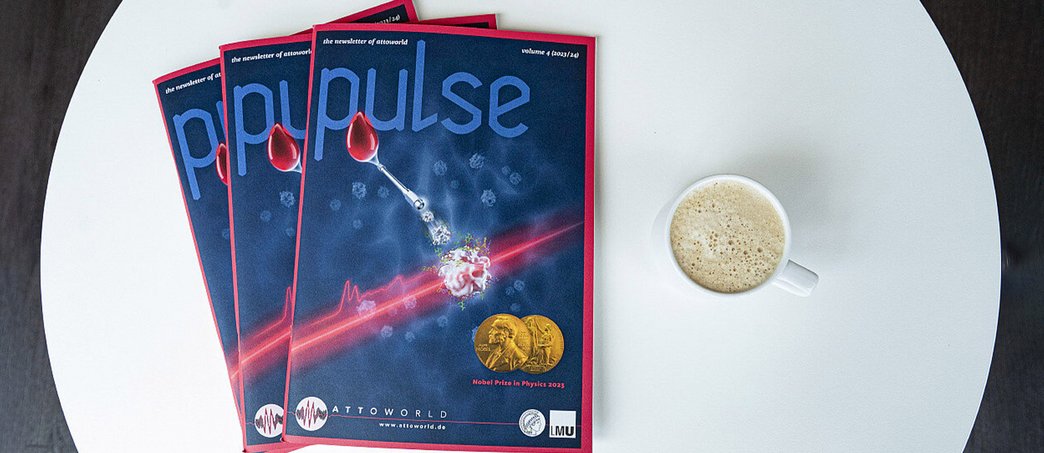
health, artificial intelligence and a dinosaur egg
The latest issue of our attoworld magazine “pulse” is now available both as a printed version and online as a PDF.
Geology
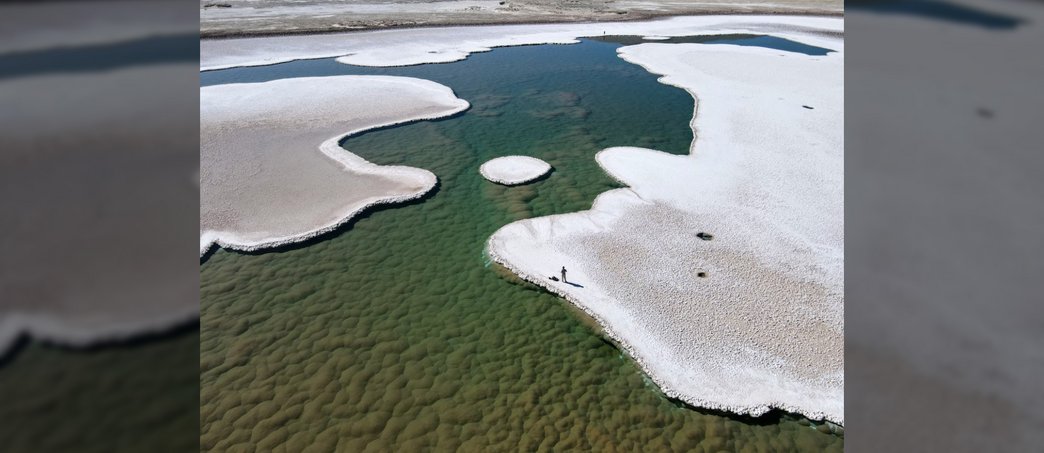
Mysterious lagoon
There are still places on earth that have kept secrets. American geologist Brian Hynek and his team have now explored one of these places. In the northwest of Argentina, they came across an overwhelming surprise: a network of lagoons in the middle of the Atacama Desert. In their crystal-clear water, the geoscientists found huge green mounds that were around five meters wide and several feet high. The researchers had come across archaic stromatolites. A variety of forms that the geoscientists had never seen before.
Biology
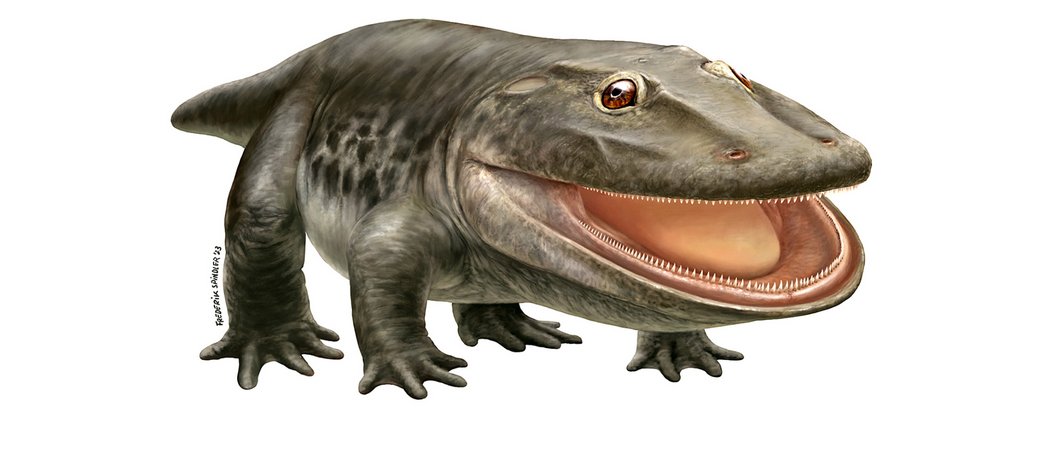
Great-great-great-grandpa of crocodiles
The Western Palatinate (Westpfalz) looked very different 300 million years ago from what it is today. A tropical landscape of rivers and lakes stretched across vast plains. At that time, the region was close to the equator and it presented ideal living conditions for primeval dinosaurs such as Stenocranio boldi. These "pre-dinosaurs" may be the ancestors of our modern crocodiles. Researchers from the Museum für Naturkunde in Berlin have now presented a Stenokranio specimen in the Journal of Palaeontology.
Geology
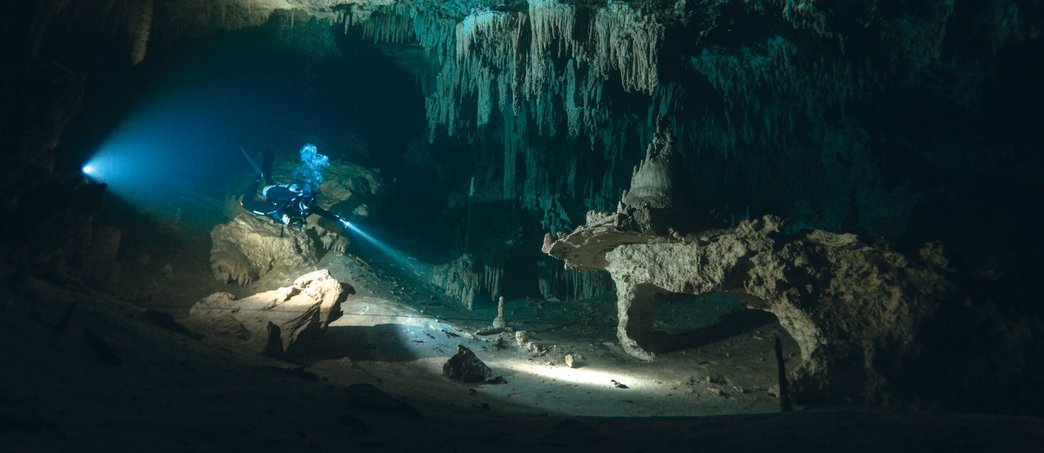
Did the first Americans live here?
Humanity originated in Africa. From there, Homo sapiens colonized the entire earth. From Europe and Asia to Australia and the islands of the Pacific. The last large land mass that modern man took possession of during his unprecedented expansion was the two parts of America.
Biology
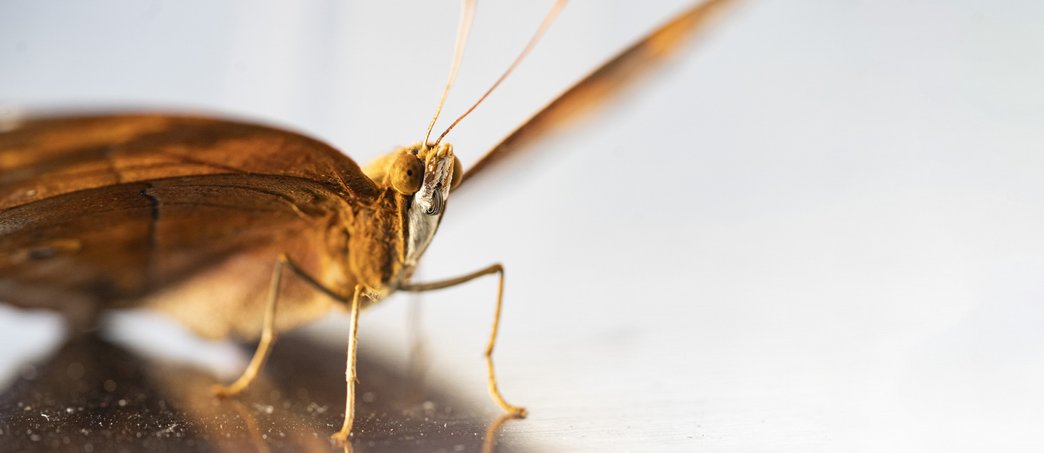
The big flutter
Fancy a touch of the exotic? Then you should pay a visit to the Munich Botanical Garden until March 17. Because they are fluttering again in the aquatic plant house (House 4 of the show greenhouses): the tropical butterflies.
Physics
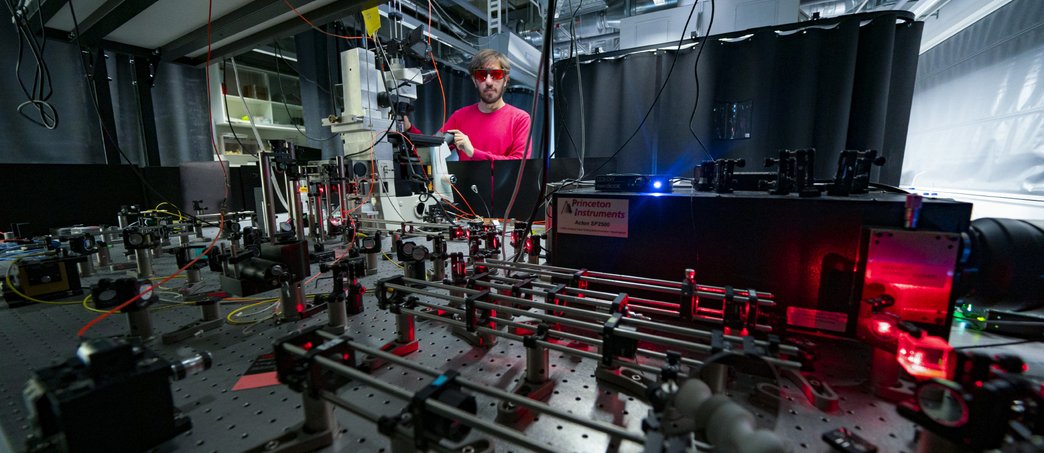
Hydrogen from formic acid
When Emiliano Cortés goes hunting for sunlight, he doesn't use gigantic mirrors or solar parks. On the contrary: The Professor of Experimental Physics and Energy Conversion at Ludwig-Maximilians-Universität München (LMU) dives into the nanocosmos. "Our research begins where the high-energy particles of sunlight meet atomic structures," says Cortés. "We are working on material solutions to use solar energy more efficiently."
Physics

Nobel Prize awarded to Ferenc Krausz
Ferenc Krausz received the Nobel Prize in Physics from Sweden's King Carl XVI Gustaf on Sunday afternoon. The scientist was honored at the Stockholm Concert Hall together with his co-laureates in physics, Pierre Agostini and Anne L'Huillier. The attosecond physics they developed "enables us to answer fundamental questions", it was said at the presentation of the physics laureates.
Technology
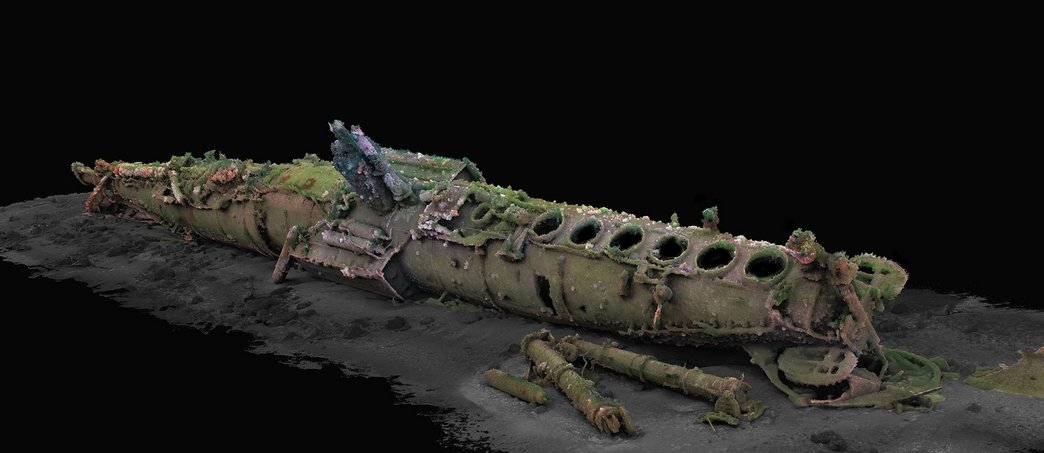
Resurrected through 30,000 images
The conditions were conceivably bad: one day after the summer hurricane "Poly" raged across the North Sea at the beginning of July, a research diving team set out for Helgoland to document a monument of a special kind: UC 71, a World War I submarine that mysteriously sank more than 100 years ago and has lain on the ocean floor ever since. In their luggage, the team had around 1.5 tons of equipment. Visibility at the wreck was poor due to the water stirred up by the storm. In addition, there was a strong current and only one hour per dive. Nevertheless, the scientists led by Kiel research diver Dr. Florian Huber succeeded in reaching their goal: To create a detailed 3D model of the submarine for the first time, thus preserving it digitally for posterity.
Physics
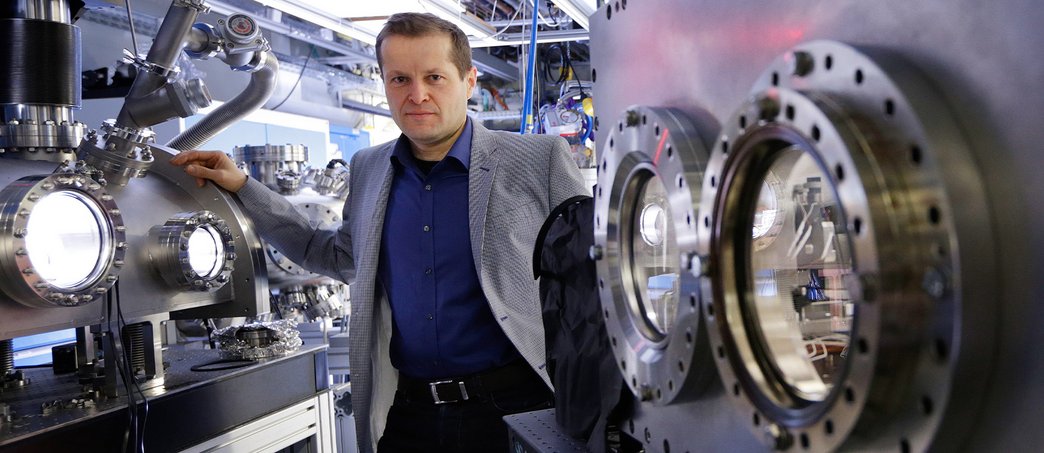
Nobel Prize in Physics 2023 for Ferenc Krausz
Ferenc Krausz, Director at the Max Planck Institute of Quantum Optics and Professor at the Ludwig Maximilian University of Munich, together with Pierre Agostini and Anne L'Huillier, has been honoured with the 2023 Nobel Prize in Physics. The Nobel Committee is honouring the two reserachers for the foundation of attosecond physics. An attosecond is the billionth part of a billionth of a second. Laser pulses lasting only a few attoseconds can be used to track the movements of individual electrons. This not only provides fundamental insights into the behaviour of electrons in atoms, molecules and solids, but could also help to develop electronic components more quickly.
Technology

Pushing ahead vigorously
"Back to the roots" is the motto of the maritime industry. People are once again turning to the wind as a traditional means of propulsion for ships. This is shown by the first drone photos of the "Pyxis Ocean". The freighter has been fitted with two enormous sails. The sails rise high above the deck of the freighter. The wind blows strongly, saving a lot of fuel.
Biology
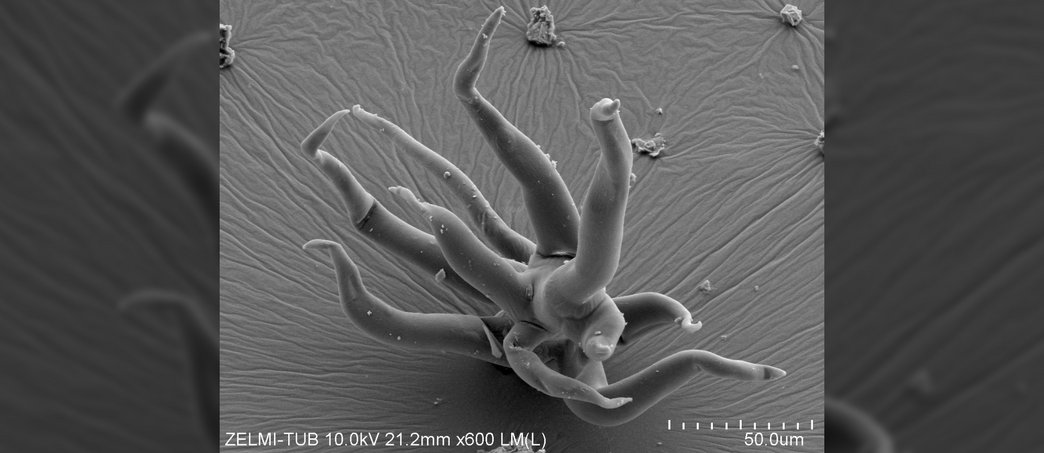
Fossils from boring times
The oldest three-dimensionally preserved microfossils on minerals to date have been discovered by researchers from TU Berlin, the Academy of Sciences of Ukraine, the Museum of Natural History Berlin and the Natural History Museum in Luxembourg. They were found in the Volyn quartz mine near the Ukrainian city of Shitomyr. Their original shape was preserved by an extremely thin layer of aluminum silicate, which formed due to the special geological situation.
Technology
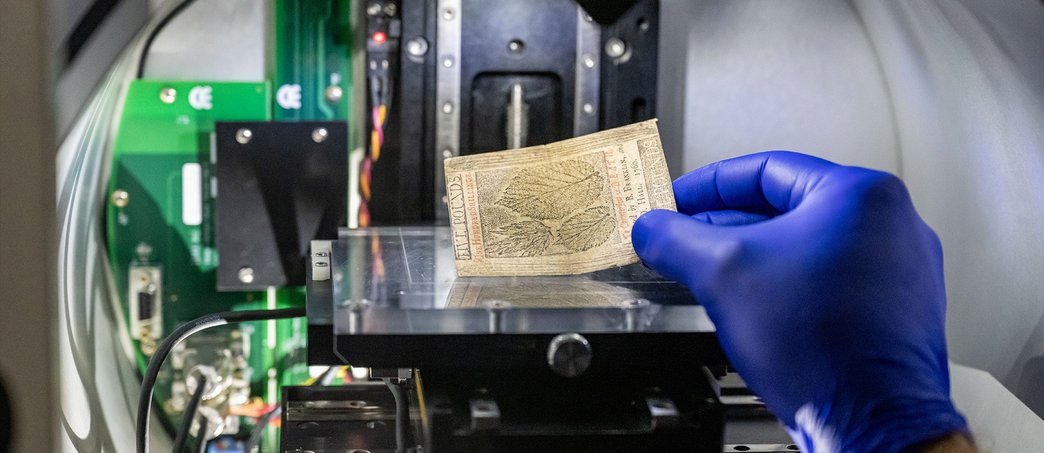
Silk against counterfeiters
He is considered one of the founding fathers of the USA. Benjamin Franklin became famous as the co-author of the American Constitution of 1787. He is also considered the inventor of the lightning rod. But that is not all. For Benjamin Franklin also experimented with banknotes. Over the course of his career, Franklin printed nearly 2.5 million banknotes for the American colonies. He used techniques that researchers at the University of Notre Dame have now studied. Benjamin Franklin used original methods to make the bills secure, the researchers said.
Cosmology
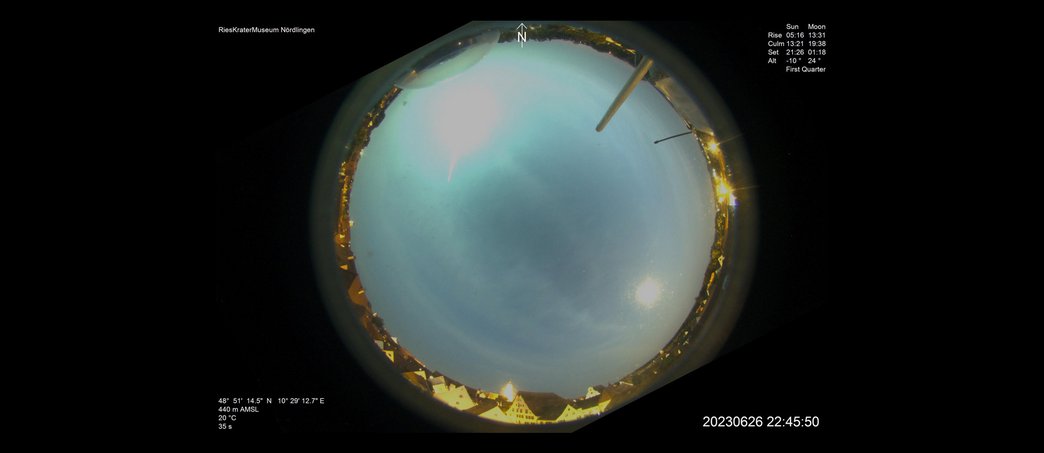
Filmed while burning up
The Allsky cameras on the roof of the RiesKraterMuseum in Nördlingen captured a rare spectacle. They recorded the path of the meteor that could be seen in the sky over large parts of Bavaria and the Czech Republic in June. At 10:45 p.m., the images show a light green trail of light in the night sky, running from southeast to northwest. This ended shortly after in a flash of light when the meteor burned up - clearly brighter than the moon. The whole spectacle lasted no more than a second or two. The explosion at the end was so bright that the Allsky cameras on the museum roof show the meteor as a large glaring white spot.
Physics
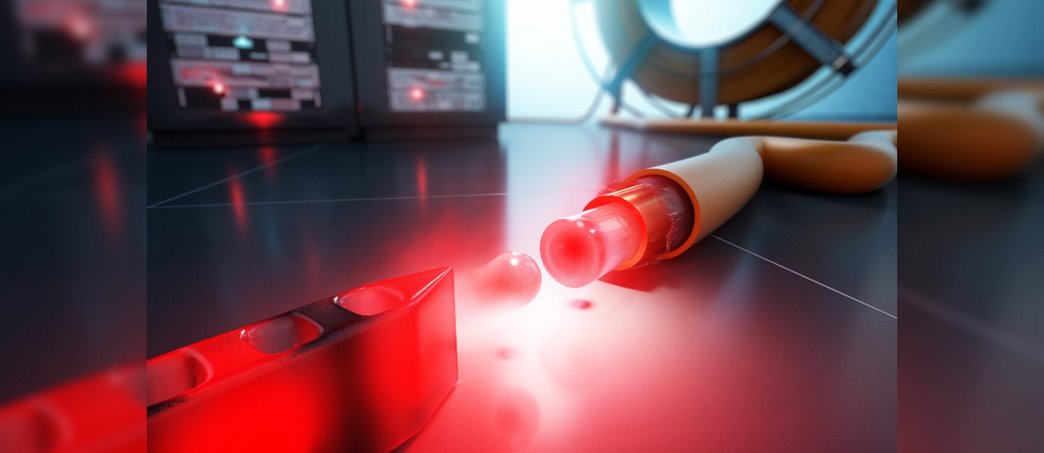
The path to a quantum network
Researchers at MPQ in Garching, together with a team from TU Munich, have excited erbium atoms embedded in crystalline silicon such that they emit single photons. Their special properties can form the basis for the development of extended networks that link quantum systems with each other, all the way to a future quantum internet. This would allow for information to be exchanged via fibre-optic networks with provable privacy and security. The novel system used by the researchers offers key advantages in the production of network nodes, their cooling and the range of data transmission.
Cosmology
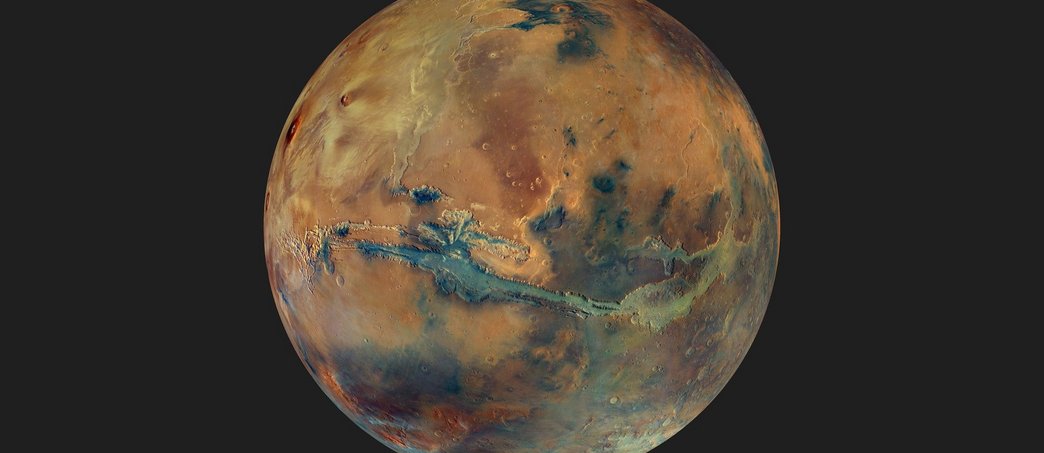
Global color mosaic
Mars has never been seen in such color before. We have the High Resolution Stereo Camera (HRSC) of the European Space Agency's (ESA) Mars Express spacecraft to thank for this view of the Red Planet. Thanks to its four color channels and five panchromatic nadir, stereo and photometric channels, the stereo camera not only displays Mars in three dimensions, but also in color.
Technology

A digital twin of the Titanic
You've never seen the wreck of the Titanic like this before. You can make out the finest details, see the bow in all its dimensions, and get a fascinating picture of the legendary ship that rammed an iceberg in April 1912 and sank in the freezing Atlantic on its maiden voyage.
art and culture
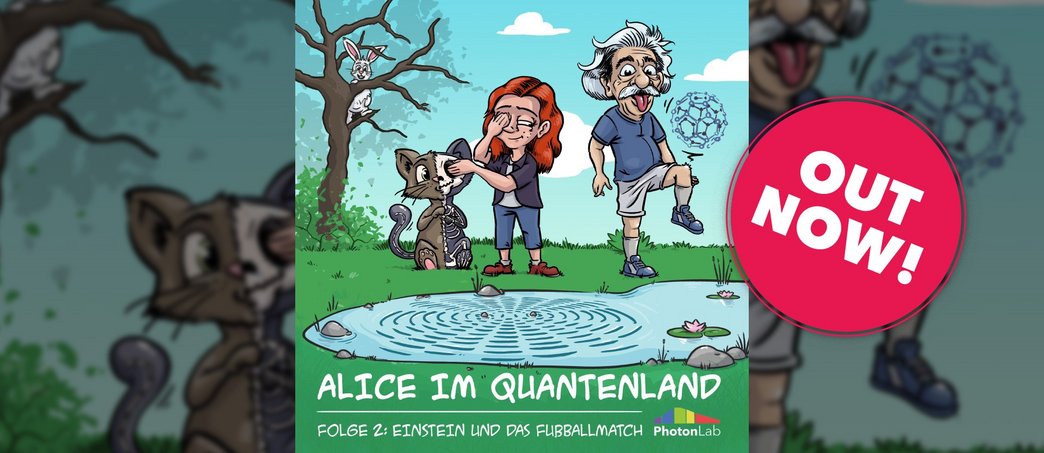
Alice in Quantum Land: "Einstein and the soccer match"
With „Einstein und das Fußballmatch“("Einstein and the Soccer Match"), the second episode of the German language audio play series „Alice im Quantenland“ ("Alice in Quantum Land") is now available for listening on all popular streaming portals and here on the website! The audio play from the PhotonLab at the Max Planck Institute of Quantum Optics is an entertaining educational program aimed at interested children and young people who want to learn more about the phenomena and secrets of quantum physics in a playful and humorous way. This time, the focus is on one of the most famous experiments in physics: the double-slit experiment, packaged in the setting of a quirky and exciting soccer game. But besides Alice and Schrödinger's cat, this time the famous physicist Albert Einstein also has his say, talking to the two of them on the basis of original sound recordings!
Physics
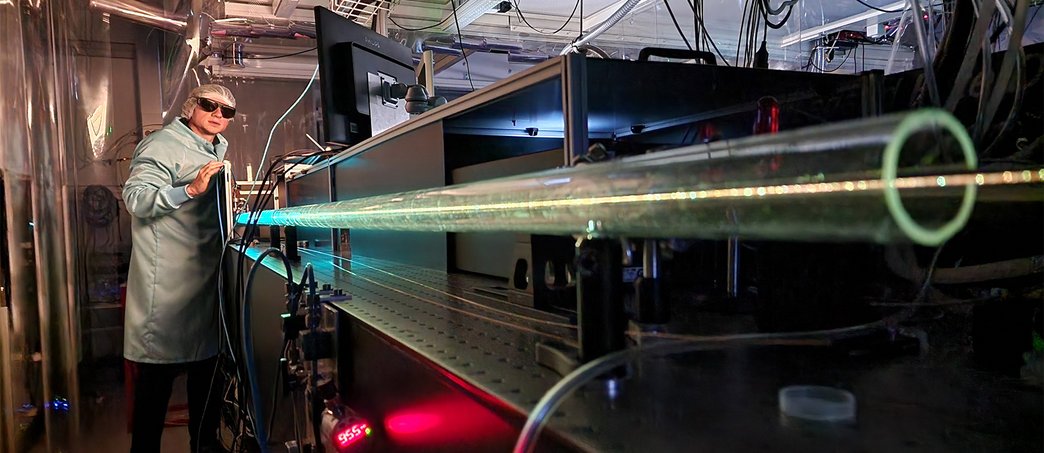
Snapshots of photoinjection
During photoinjection, an electron that cannot move freely through a solid receives enough energy from a light wave to become mobile. Scientists have been exploring this phenomenon since the beginning of quantum mechanics; nevertheless, there are still open questions about how the relevant processes unfold in time. Laser physicists of the attoworld team of the Max Planck Institute of Quantum Optics and the Ludwig Maximilian University of Munich have now made a direct observation of how the optical properties of silicon and silicon dioxide evolve during the first few femtoseconds (millionths of a billionth of a second) after photoinjection with a strong laser pulse.
Technology
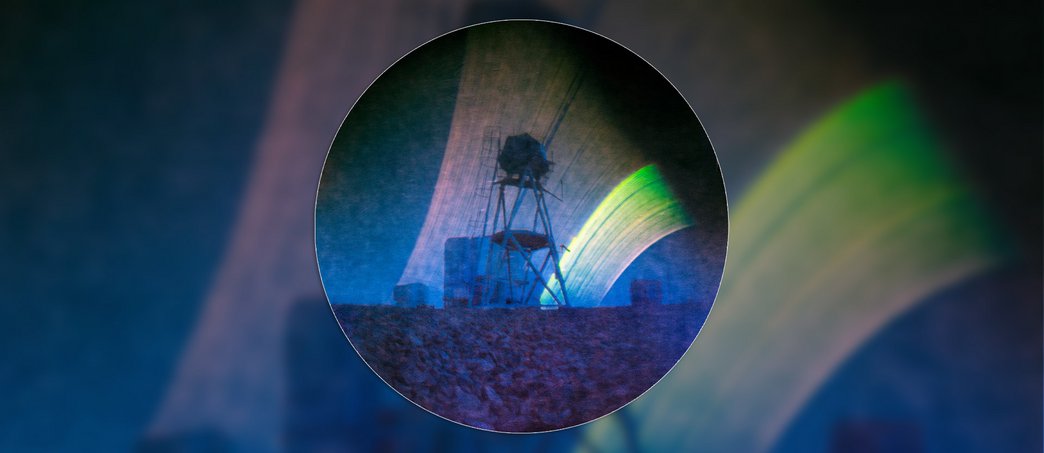
The course of the sun
State-of-the-art instruments for observing the universe meet ancient camera technology. This unusual image was taken by D. López Calvin and J. C. Muñoz Mateos with a pinhole camera. To do so, the two photographers from the European Southern Observatory ESO exposed the image for about eight months.
Cosmology
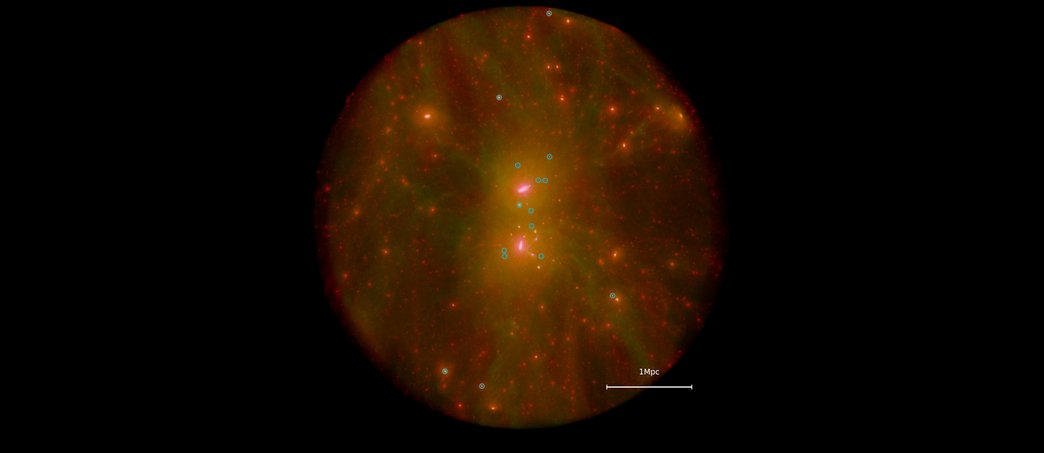
Faint galaxies lurking in the dark
News from space: An international team led by Dr. Noam Libeskind has made a prediction using the most accurate cosmological simulations that sheds new light on our understanding of the universe: Several faint galaxies are waiting to be discovered in the immediate vicinity of the Milky Way!
Medical technology
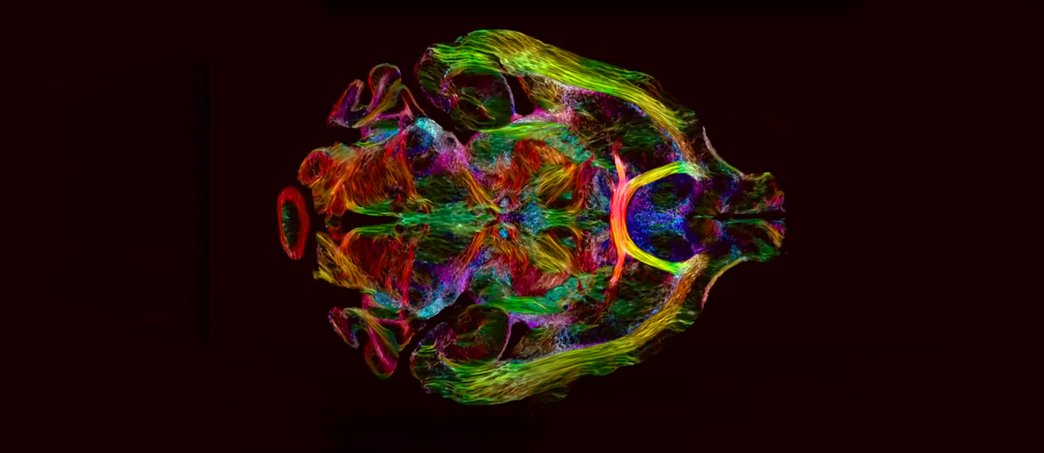
Deep inside the mouse brain
It is an unusual play of colors that opens up before our eyes. It provides us with completely new and extremely detailed insights into the brain of a mouse. We have the mix of greatly improved magnetic resonance imaging (MRI) and light sheet microscopy to thank for these views. The combined imaging technique was developed by scientists at the Duke Center for In Vivo Microscopy and with the collaboration of colleagues at the University of Tennessee Health Science Center, the University of Pennsylvania, the University of Pittsburgh and Indiana University.
art and culture
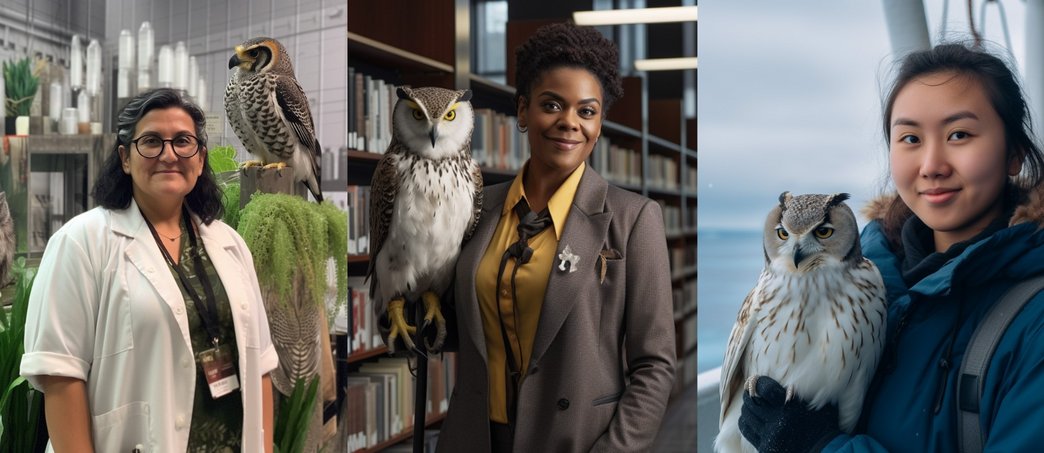
Minerva in the 21st century
What would the Roman goddess Minerva look like in the 21st century? That's what Berlin-based photographer and science communicator Gesine Born asked herself. In Roman times, Minerva was the goddess of wisdom, tactical warfare, art and shipbuilding, as well as the guardian of knowledge. Her faithful companion was the owl, which in ancient times was a symbol of wisdom.
Physics
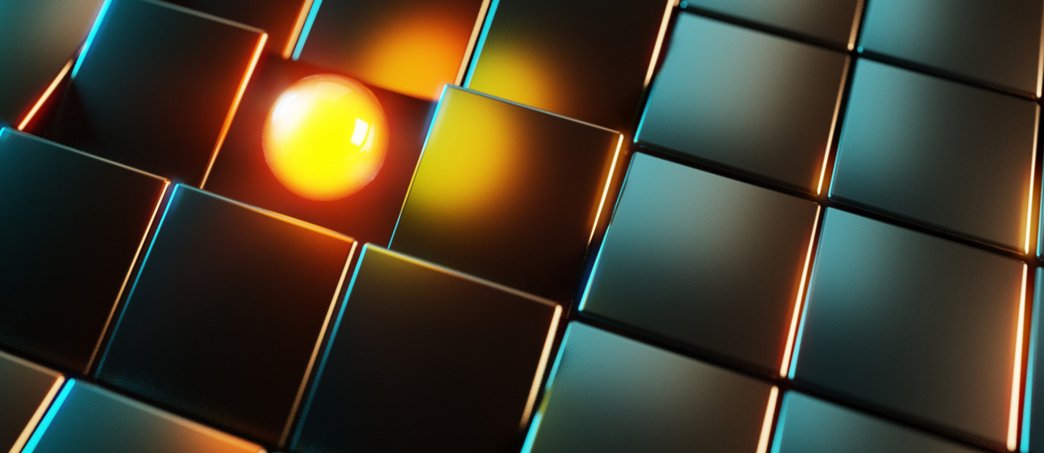
A quantum switch for the world’s lightest mirror
Researchers at MPQ have created a switchable metamaterial: an atomic array whose optical qualities can be tuned to become either reflective or transparent. The findings, which appeared in Nature Physics, build on team’s previous research on so-called “ordered atomic arrays” that enable efficient interaction between light and atoms. By introducing an additional, microscopically controlled single “quantum switch” atom into the array, the scientists succeeded in switching the optical characteristics of the material on demand.
Cosmology
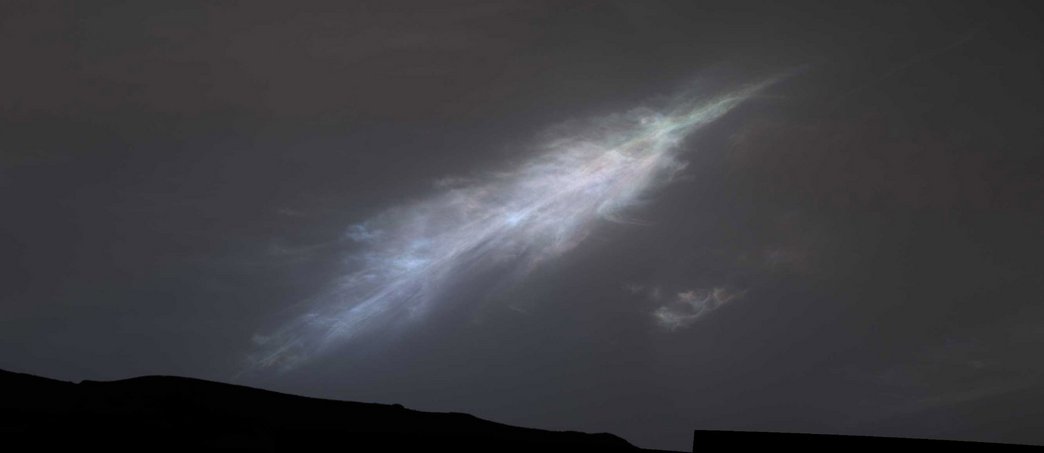
The last glow
Sunsets on Mars are amazingly atmospheric. This is shown in a photo taken by NASA's Curiosity rover earlier this year on the Red Planet. As the sun set behind the horizon, its light rays illuminated a cloud bank.
art and culture
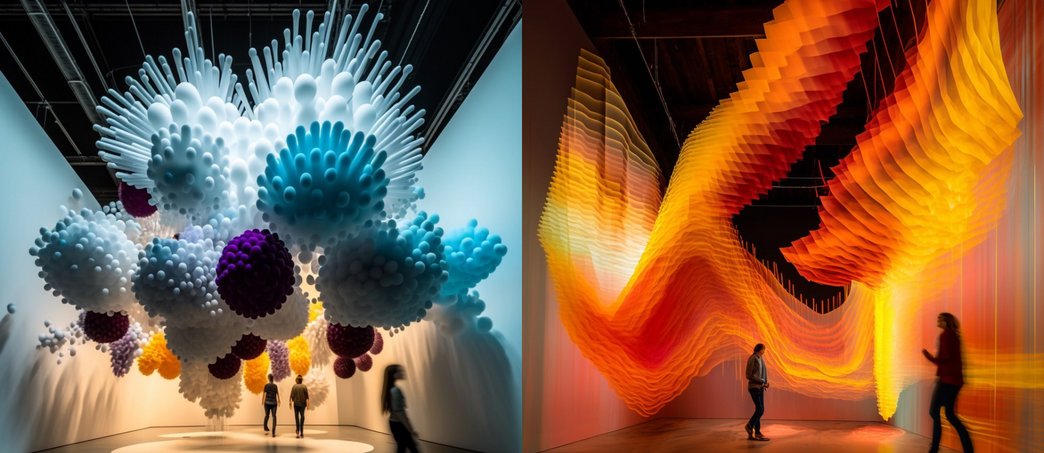
Fantastic worlds in the museum
Art exhibition that Joshua Vermillion creates in the world of his thoughts, you as a visitor want to experience immediately with all your senses. The latest works that the art professor from the School of Architecture at the University of Nevada (USA) shows on instagram, among other places, are enormous virtual installations of colour, shapes and light. Colourful, transparent bubbles hang from the ceilings, fluted cascades of light illuminate deep black rooms. And in the middle of it all, people who are amazed and look downright small next to the installations.
Cosmology
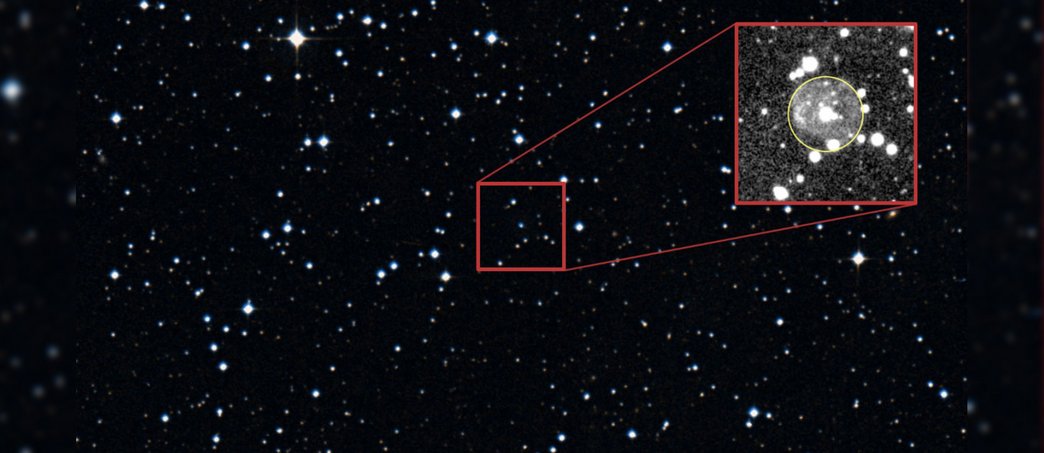
Hot, hotter, hottest: more than 100,000 degrees
When it comes to celestial bodies with great heat, the first thing that probably comes to mind is the Sun. Its surface reaches up to 5,800 degrees. But would you have thought that there are celestial bodies with much higher temperatures? With the help of the largest single telescope in the southern hemisphere, the SALT in South Africa, an international team of astronomers has discovered eight of the hottest stars in the universe. Their surface temperatures exceed 100,000 degrees. The discoveries arose from a research project led by Professor Simon Jeffrey of the Armagh Observatory in Northern Ireland and involving Professor Klaus Werner of the Institute of Astronomy and Astrophysics at the University of Tübingen.
art and culture
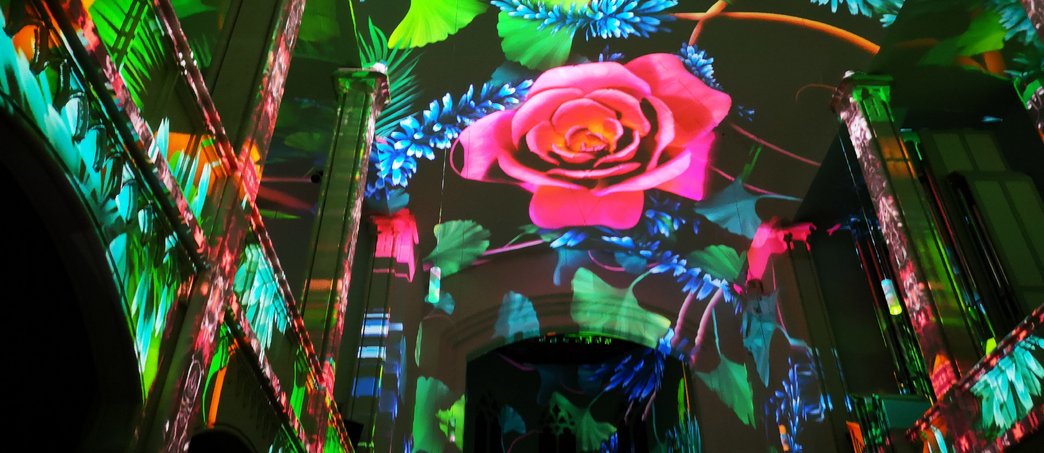
In the light of creation
No matter how you feel about religion, in the end you are inspired and fascinated by the impressions you have gained. Because ultimately the creation story, if one interprets it symbolically, differs only little from the knowledge of the evolution. Except for the triggering moment, of course. In Munich's St. Mark's Church, every evening until March 13, 2023, one can experience the miracle of the creation of the world in its beginnings according to the Genesis account of creation in an immense multimedia light show specially adapted to the special location. From the emergence of light, the unfolding of the sky and water, to the spreading of the land masses, to the flourishing of plants in fabulous flowering splendor. Only the human being does not appear in it. That does not disturb at all.
Physics
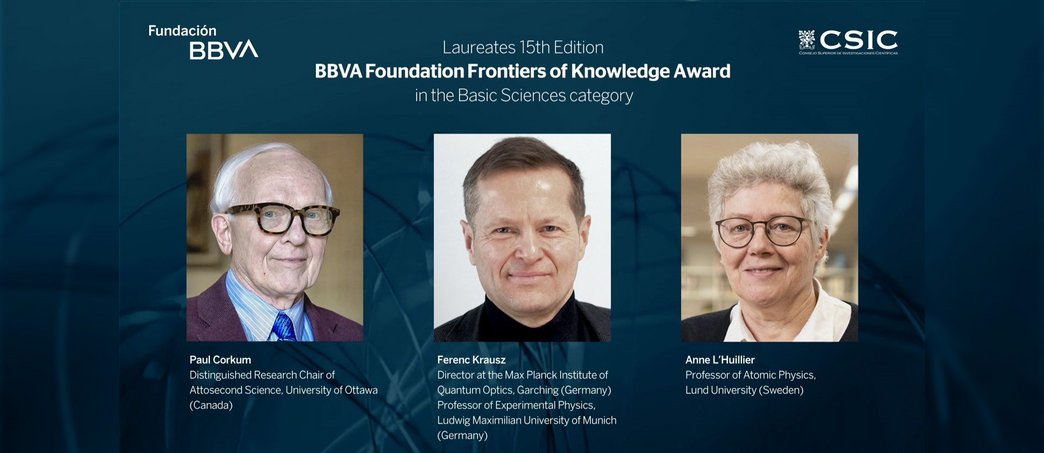
Honoring pioneers of attosecond physics
Now in its fifteenth year, the BBVA Foundation Frontiers of Knowledge Award in Basic Science goes to three pioneers in ultrafast laser physics: Anne L'Huillier, Paul Corkum, and Ferenc Krausz. The citation for this year's award states that the winners "have shown how to observe and control the motion of electrons in atoms, molecules, and solids with ultrashort pulses of light on time scales of about a hundred attoseconds. An attosecond is roughly the time it takes light to traverse an atom and is the natural scale for electronic motion in matter. This time scale has been inaccessible for experimental study because of the lack of light pulses with sufficiently short durations. The editors of Photonworld congratulate Ferenc Krausz and the two other luminaries in the field of attosecond physics.
art and culture
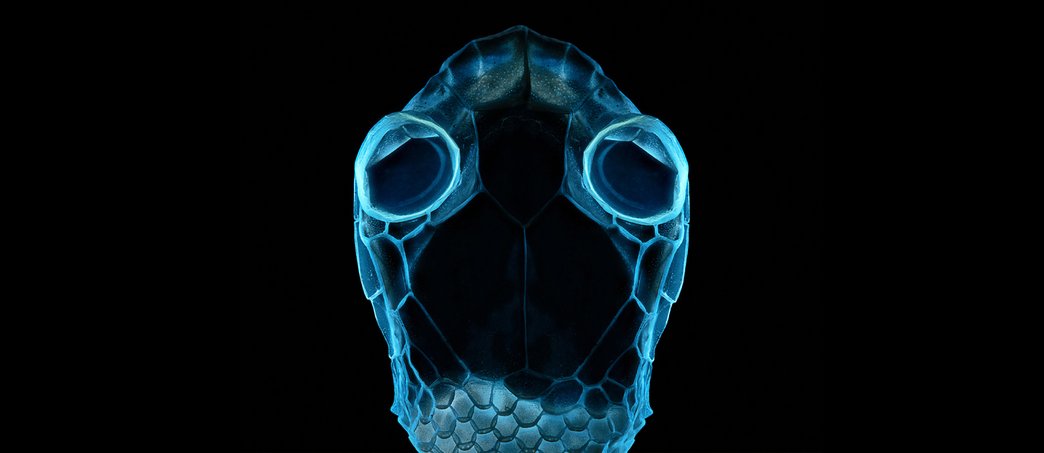
Under ultraviolet light
Snake skin glows in ultraviolet light. Herpetologists use this to find the reptiles in the dark. But it can also be used to conjure up spectacular photos. Irina Petrova Adamatzky managed to do just that when she got the skin of a corn snake in front of her lens in ultraviolet light. Her photo made it to the finals of the Royal Photographic Society's (RPS) Woman Science Photographer of the Year 2023 competition. The Society launched the competition to celebrate the UN General Assembly-initiated "International Day of Women and Girls in Science" on February 10.
art and culture
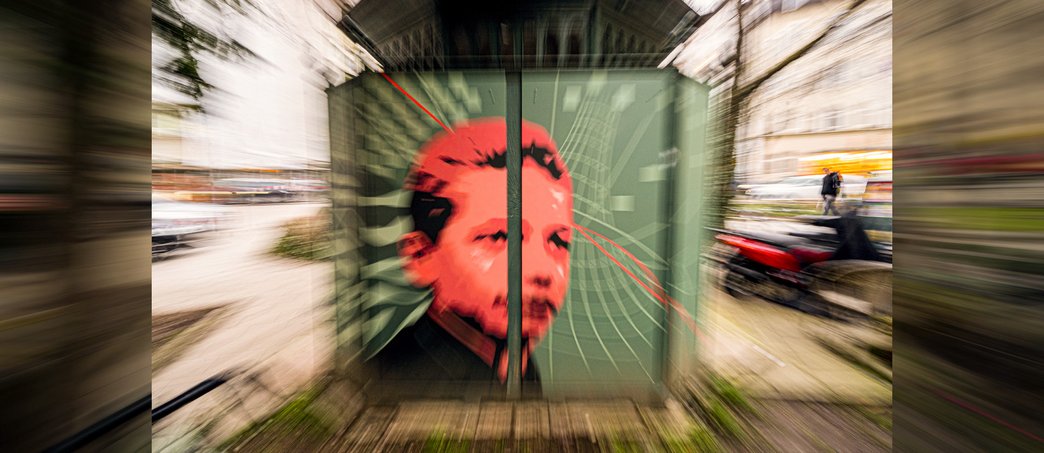
Einstein's urinal
What do the world-famous physicist Albert Einstein, Queen singer Freddie Mercury and cult director Rainer Werner Fassbinder have in common? At first glance, little. But what they all share is that they lived for a time in Munich's trendy Glockenbach district. Today, on Holzplatz in Isarvorstadt, three larger-than-life likenesses commemorate the presence of these various exceptional talents. These portraits, rendered as lifelike graffiti, are attached to an abandoned, historically protected urinal dating from around 1900. Here, the grandees are among themselves and give each other the runaround. It would be hard to portray the highly praised idols in a more popular way than in this everyday street context.
art and culture
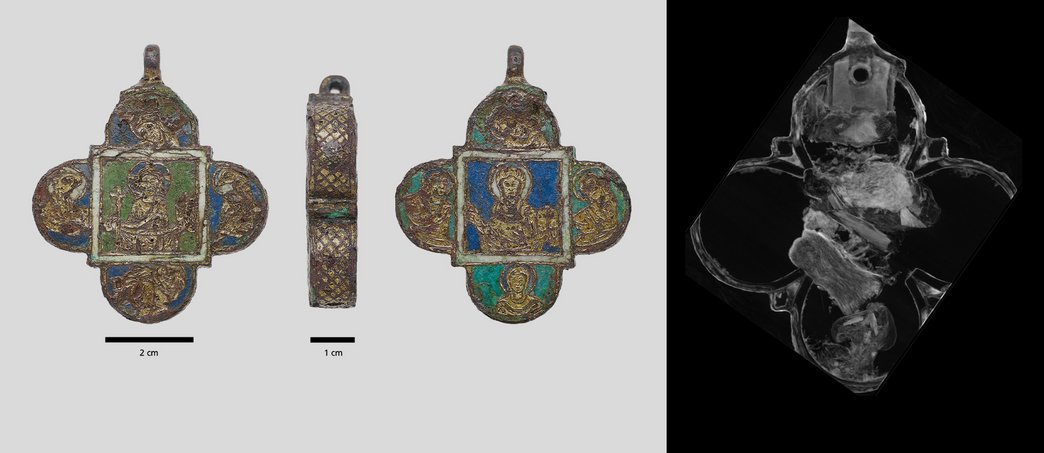
Hidden in gold jewelry
The secret of a gold-plated pendant has been revealed by a research team led by the Leibniz Center for Archaeology (LEIZA). The jewelry was found in 2008 in a medieval waste pit in Mainz's old town. Using a non-destructive examination at the Heinz Maier-Leibnitz Research Neutron Source (FRM II) at the Technical University of Munich (TUM), the researchers discovered tiny bone fragments inside the object, which are presumably relics.
Technology
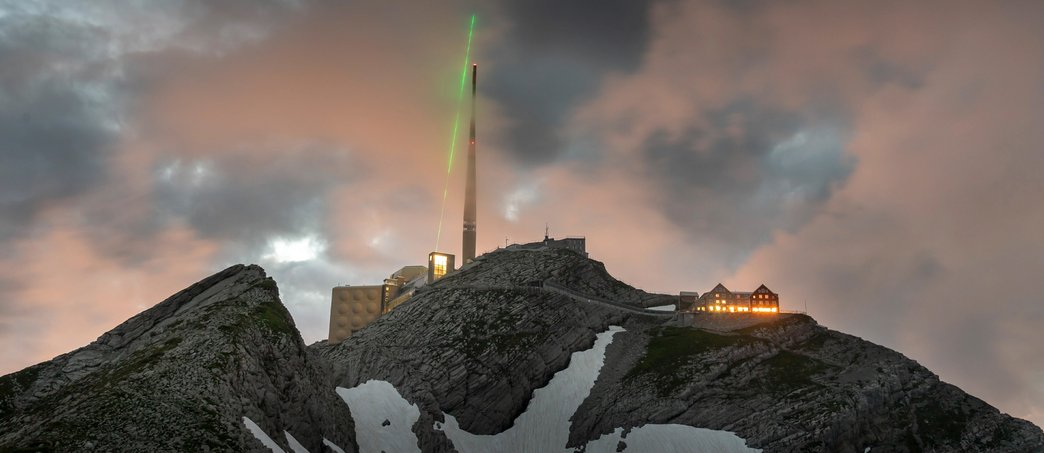
Laser light as a lightning rod
An international team of physicists has tested a high-power laser as a protection against lightning strikes on the Swiss mountain Säntis.
art and culture
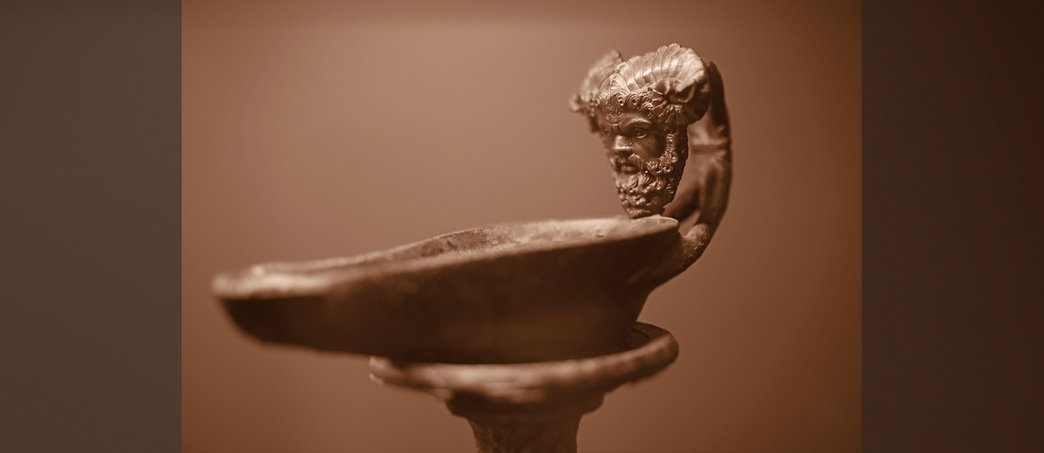
In the Roman night
When night fell, it didn't really get dark in the Roman cities of antiquity. Streets, alleys and forums were lit by torches. Lamps were lit in the houses and luxurious villas. Life continued to pulsate, people traded, visited temples or partied debauched until deep into the night. The Romans knew how to make light. To do this, they came up with quite artistic lighting. There seemed to be hardly any limits to their creativity. How do we know this so well? Well, the knowledge about the ancient lighting techniques comes not least from the still ongoing excavations of the cities of Pompeii, Stabiae and Herculaneum on the Gulf of Naples, which were buried by the volcano Vesuvius in 79 AD.
Physics
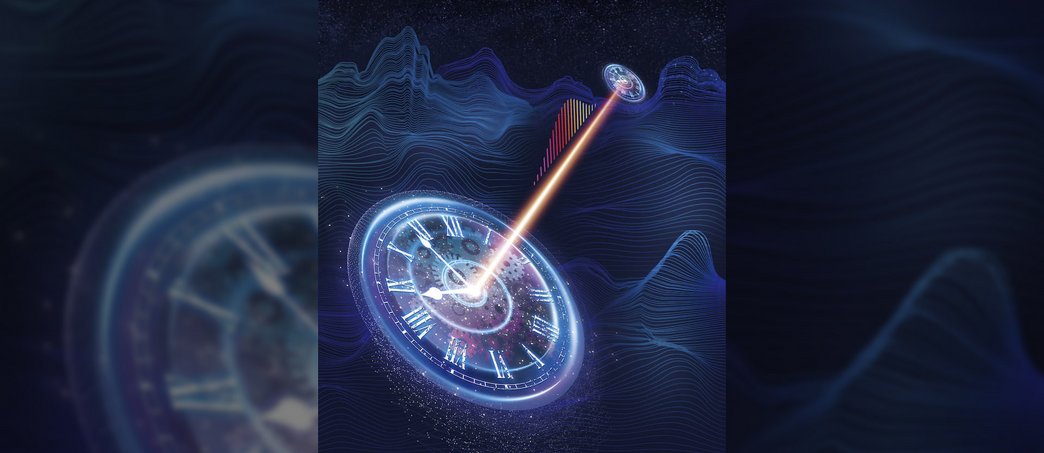
Laser light keeps clocks in step
There is something very odd about time. There are hours that seem to pass in a trice, while others appear to last for ages. Time is not only hard to fathom, the synchronization of time signals is an extremely difficult undertaking – in particular, when such signals must be transmitted over long distances under challenging conditions. However, laser technology now offers a way to simplify the synchronization of clocks that are very far apart, as demonstrated by scientists led by physicist Jian-Wei Pan at the University of Science and Technology of China in Hefei. With the aid of pulsed laser light, the team based in the province of Xinjiang has succeeded in synchronizing the ticking of two optical clocks over a distance of 113 km in free space. This represents an improvement of seven-fold over the previous record (16 km).
Physics
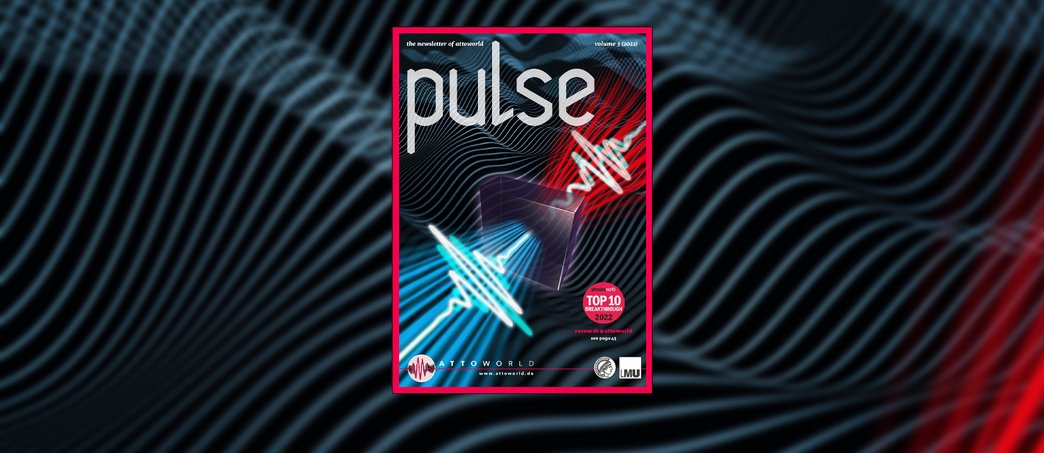
pulse - the newsletter of attoworld vol. 3
Welcome to the latest issue of “pulse”, the magazine of the attoworld team. As you browse through this issue, one thing will be sure to strike you: The range of topics covered in the articles has reached an enormous breadth.
Biology
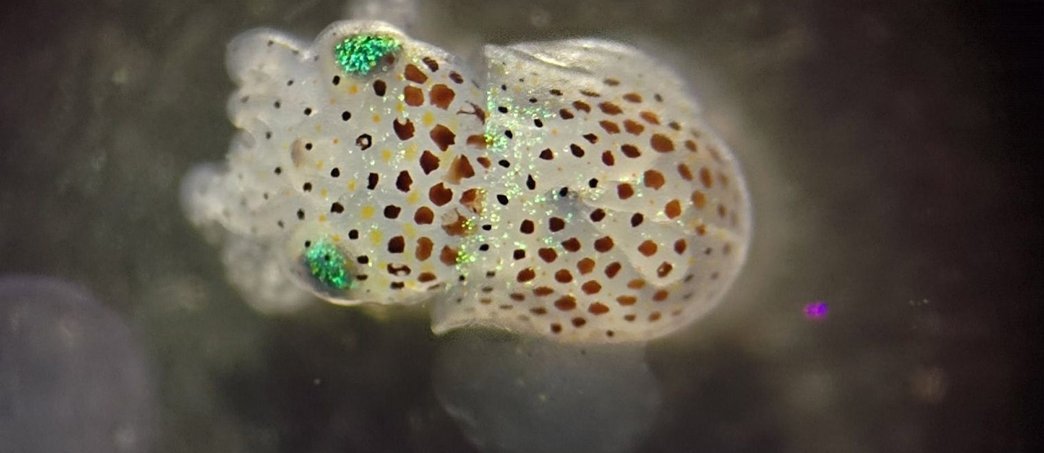
Aliens of the ocean
These sea creatures not only mislead their fellow creatures, but also researchers: The genetic composition of octopuses has been causing headaches for decades. Scientists at the University of Vienna are now a big step closer to deciphering their unique DNA, thereby creating an important basis for further research.
Physics
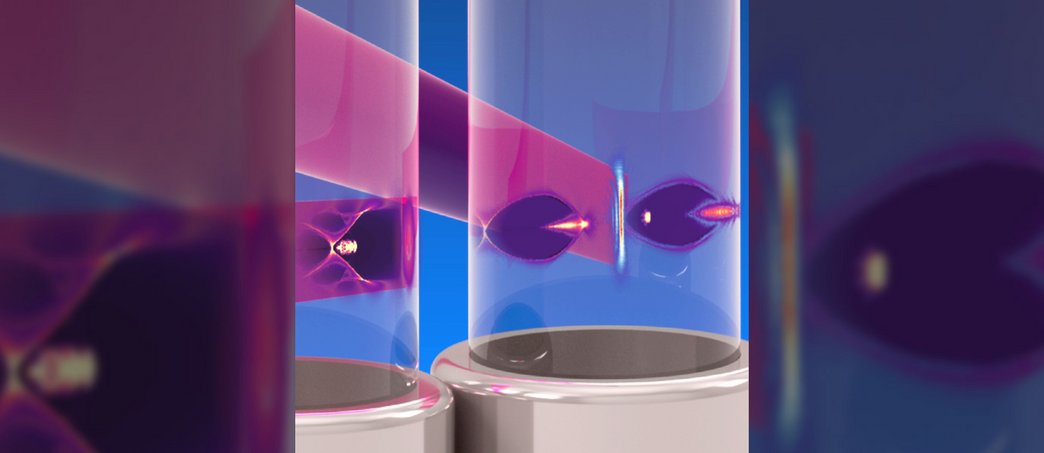
More control over plasma accelerators
If one particle accelerator alone is not enough to achieve the desired result, why not combine two accelerators? That's what physicists at the Centre for Advanced Laser Applications (CALA) at the Ludwig-Maximilians-Universität München (LMU) thought in collaboration with colleagues at Helmholtz-Zentrum Dresden-Rossendorf, Laboratoire d'Optique Appliquée, Paris, DESY in Hamburg and the University of Strathclyde. They have combined two plasma-based acceleration methods for electrons, namely a laser-driven wakefield accelerator (LWFA) with a particle-beam-driven wakefield accelerator (PWFA). With this combination, they achieve better stability and higher particle density for electron beams than with just a single plasma accelerator. The tech marriage therefore opens up new perspectives for plasma-based particle acceleration.
Technology
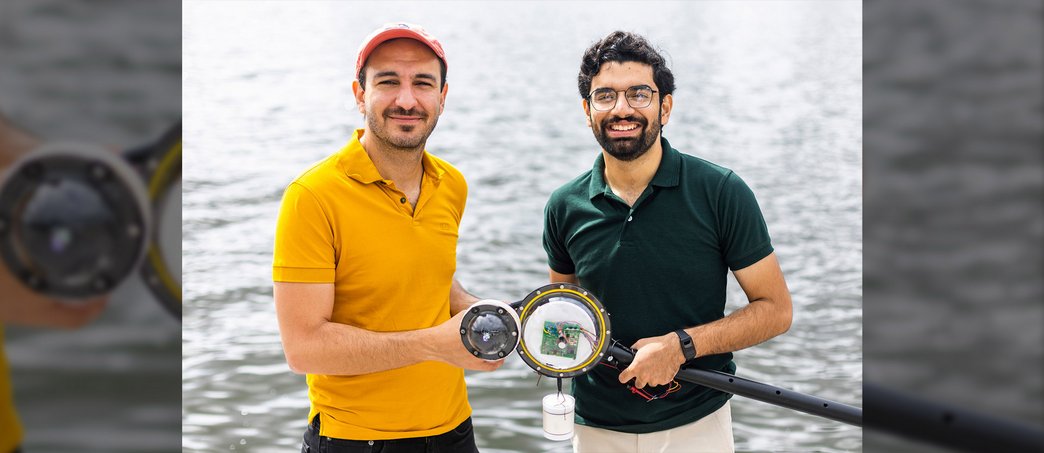
Underwater camera without battery
The oceans are terra incognita. Knowledge of nature underwater is growing only slowly. Exploring them requires an enormous technical effort involving the use of large amounts of energy. Among other things, it is the difficulties of permanently powering underwater cameras that make comprehensive exploration of the underwater world difficult. Researchers at the Massachusetts Institute of Technology (MIT) in the U.S. have now taken an important step toward overcoming this problem. They have developed a battery-free underwater camera. It is about 100,000 times more energy efficient than conventional underwater cameras. The device takes color photos even in dark environments and transmits data wirelessly through the water.
Medical technology
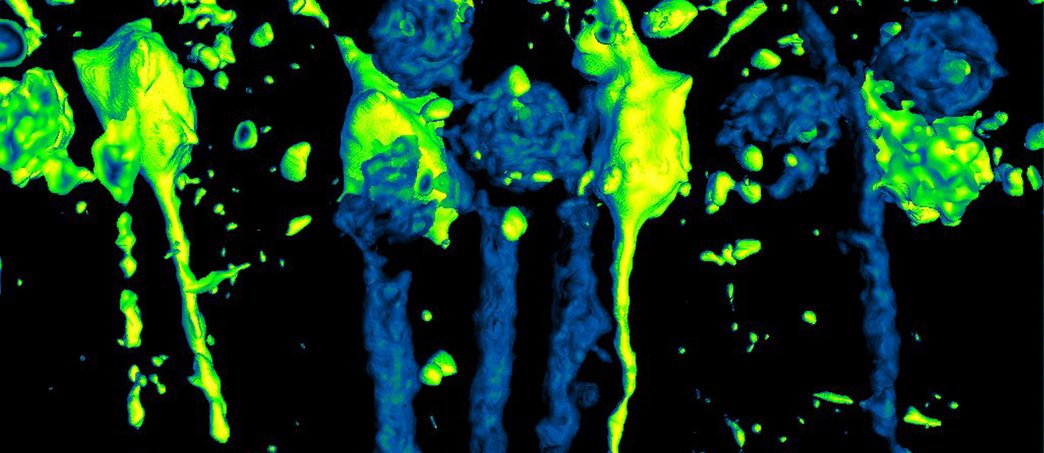
Forgetting visualized in brain cells
There is a growing understanding of what happens in the brain when it is afflicted with Alzheimer's disease. Due to the death of nerve cells, people with Alzheimer's become increasingly forgetful, confused and disoriented. To date, Alzheimer's is incurable. But there are many approaches to getting the disease under control. One of these is an understanding of the neuronal processes that take place in our thinking organ. A team led by Prof. Paola Coan from the Department of Medical Physics and the Department of Radiology at the LMU Hospital in Munich has now gained new findings concerning this process with the help of X-ray phase-contrast computed tomography. Using this imaging technique, the scientists have gained unique insights into the ageing and neurodegeneration of brain cells in mice suffering from Alzheimer's disease.
Physics
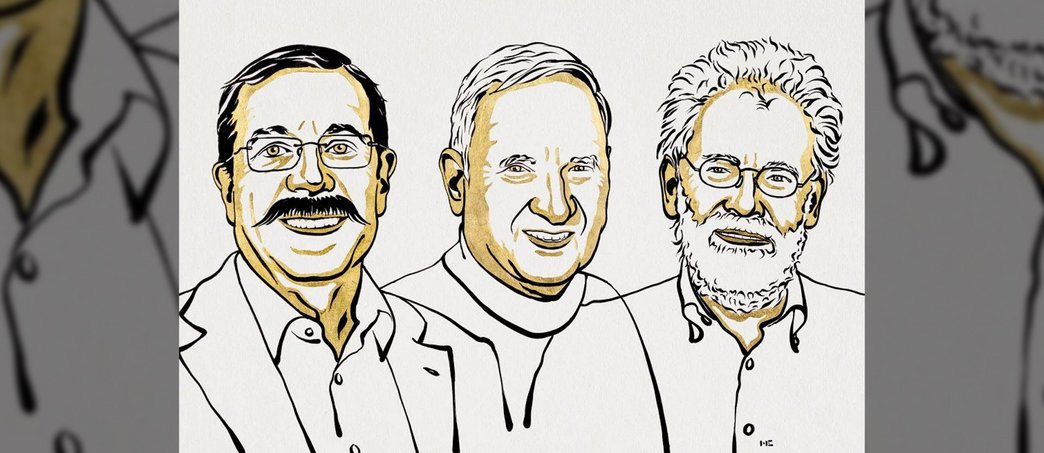
Nobel Prize in Physics 2022
Alain Aspect, John F. Clauser and Anton Zeilinger are the winners of this year's Nobel Prize in Physics. The prize was awarded for experiments with entangled photons, establishing the violation of Bell inequalities and pioneering quantum information science.
Biology
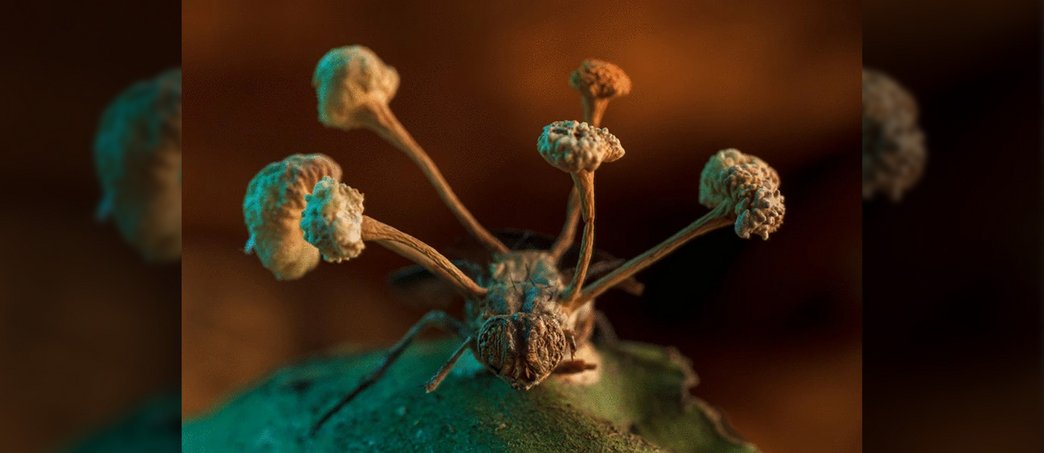
Mushroom controls zombie
It's almost a little scary what evolutionary biologist and conservationist Roberto García-Roa of the University of Valencia caught on camera. His macro shot shows the fruiting bodies of a parasitic fungus growing out of a fly. The neuroparasite has taken up residence in the insect and infiltrated its brain. Through this brainwashing, it can direct its host to any location. The doomed insect becomes a fungus-controlled zombie.
Biotechnology
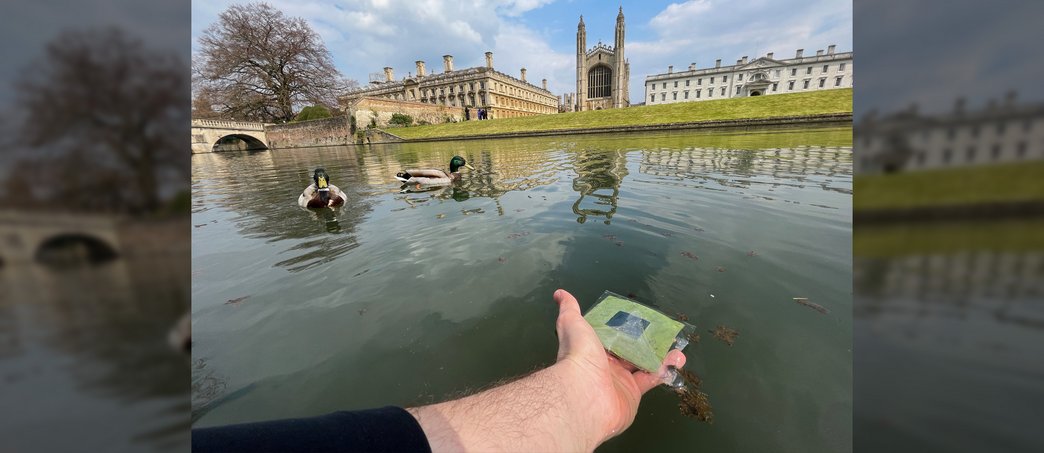
Fuel from leaves
Researchers at the University of Cambridge have developed floating leaves that generate clean fuel from sunlight and water and could perhaps be used on a larger scale in the ocean.
art and culture
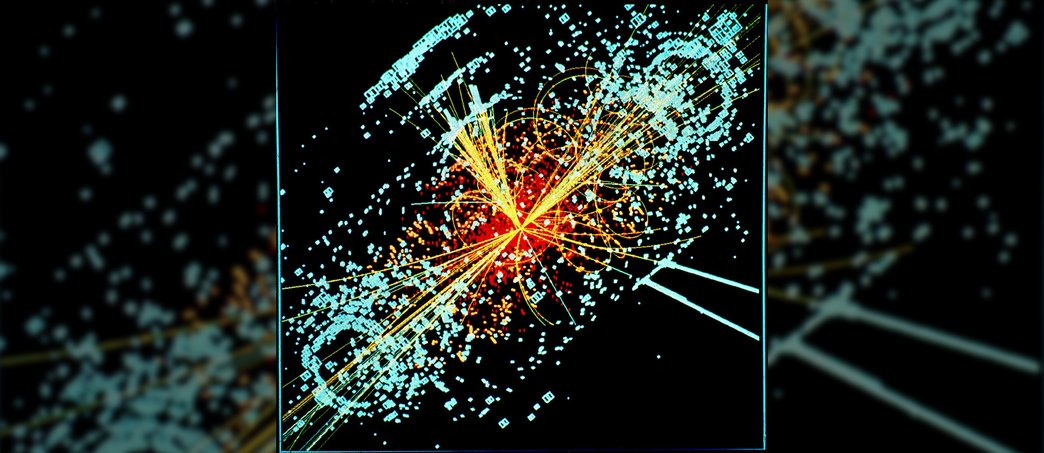
Higgs Boson Blues
Most songs are about love or heartbreak, about having a good time or about the trials and tribulations of life. Physical elementary particles, on the other hand, are sung about very rarely. Not so with "Nick Cave and the Bad Seeds". The Australian-born and singing cult poet published "Higgs Boson Blues" with his band in 2013 and thus created his own musical monument to the subatomic particle that has become known far beyond the boundaries of physics as the "God particle". The fact that the images created in the text, which suggest a pilgrimage to CERN in Geneva, appear just as complex in themselves as the physical understanding of the Higgs Boson is for the layman, is probably part of the poetic concept. Ultimately, it is about the search for knowledge and truth and the meaning of life, embedded in contemporary metaphors.
Physics
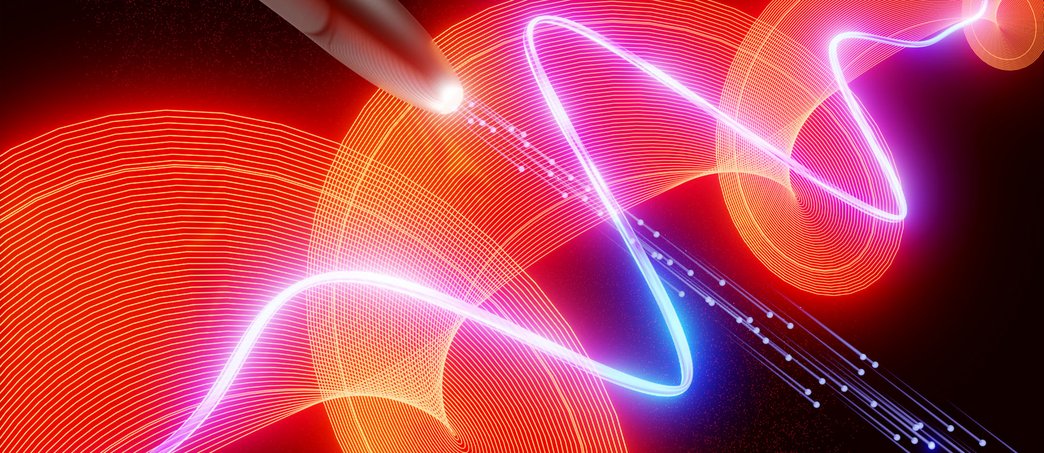
Photographing a light helix
It has been known since the end of the 19th century that light is an electromagnetic wave, whereby its frequency determines its color. With around one quadrillion oscillations per second, light oscillates so quickly that it was not until the beginning of the 21st century that methods were developed to measure the temporal evolution of its field directly. Since then, more and more secrets of light have been revealed. Now, physicists from the Ultrafast Electronics and Nanophotonics group led by Dr. Boris Bergues and Prof. Matthias Kling from the attoworld team at the Ludwig-Maximilians-Universität (LMU) and the Max Planck Institute for Quantum Optics (MPQ) have developed a new technique, the so-called “nanoTIPTOE” technique, which allows measuring the electrical field of ultrashort laser pulses in time and space. This makes it possible to take "photographs" of light waves with a spatial and temporal resolution that has not been achieved before.
Biology
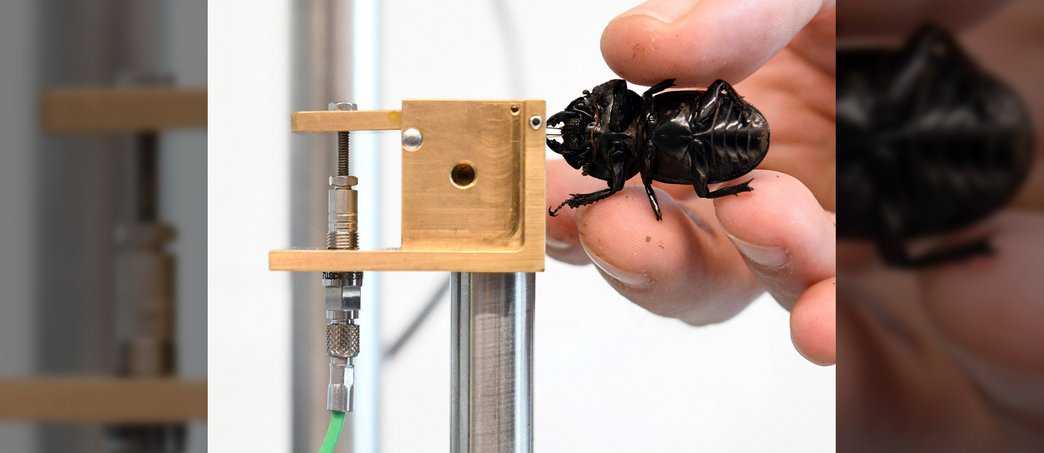
How hard can insects bite?
How hard can insects bite? Those with a strong chewing apparatus can crush harder food and also fare better in the fight against enemies. Biologists at the University of Bonn have developed a mobile system (forceX) to measure the biting forces of small animals. The researchers are using it to explore how biting forces, for example of insects, develop depending on the environment.
art and culture
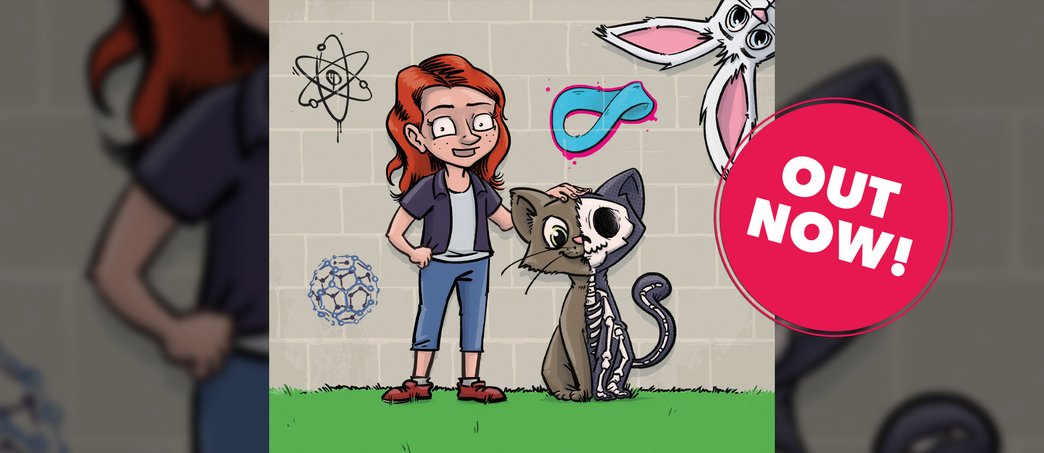
Join Alice in the quantum world!
The school laboratory PhotonLab at the Max Planck Institute of Quantum Optics publishes the pilot episode of the German-language audio play series "Alice in Quantum Land". The series is aimed at children between the ages of 6 and 12 as well as their parents. It provides first insights into the fascinating world of quantum physics in a playful and entertaining way, with plenty of puzzling adventures.
art and culture
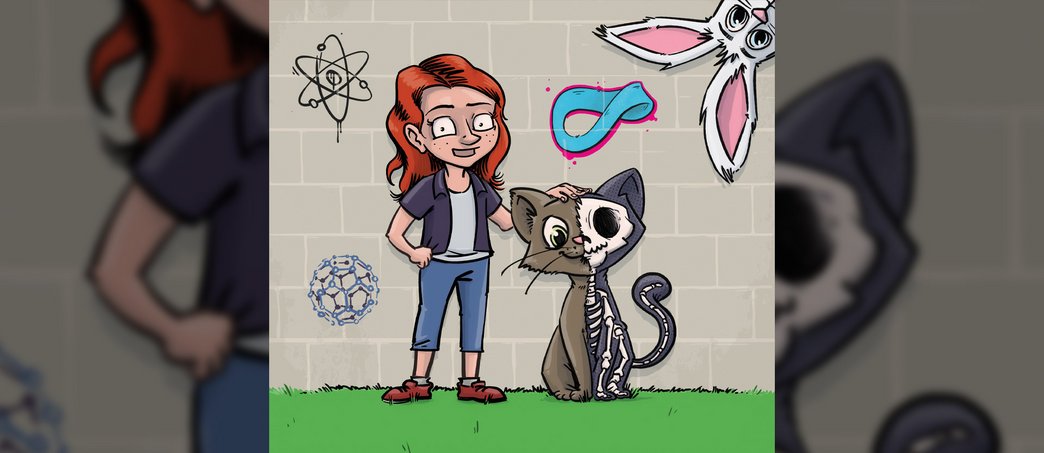
Alice in Quantum Land
Quantum physics for 6-12 year olds - is that possible? Of course it is! With the audio play "Alice in Quantum Land", the PhotonLab school laboratory at the Max Planck Institute of Quantum Optics (MPQ) in Garching near Munich now also offers elementary school students and those ages upwards an entertaining as well as educational mediation offer to playfully familiarize themselves with phenomena of quantum physics. The first episode of the audio play, entitled "A Cat Named Schrödinger," will be available for listening on MPQ's youtube channel and the institute's own website www.photonworld.de starting June 26, 2022. It will subsequently be published on popular streaming portals. The live premiere as a reading with background music will also take place on Sunday, June 26, 2022 at 10:30 a.m., at the "forscha" youth fair in Munich (Verkehrszentrum des Deutschen Museums, Theresienhöhe / Alte Messe).
Interview
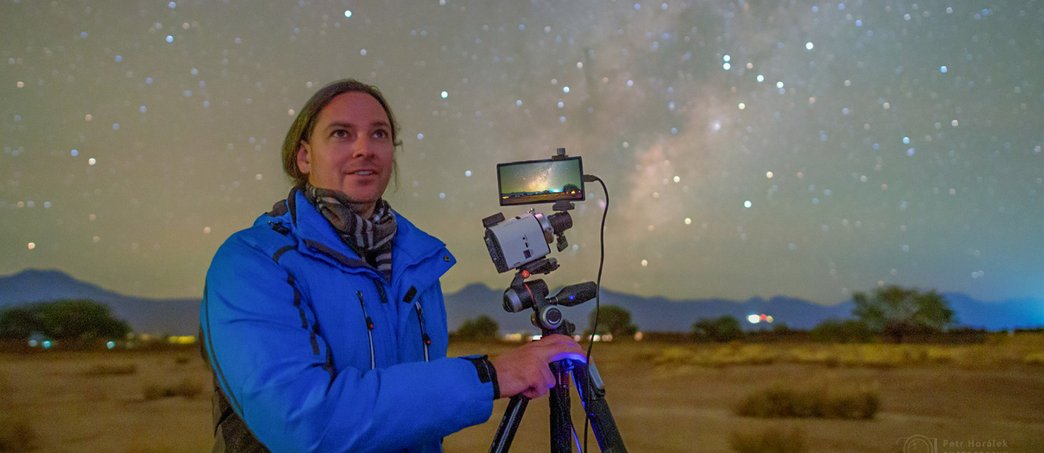
"We all felt how small we are"
They are fantastic images of the universe that the members of the European Southern Observatory "ESO Ambassadors" network of photographers make available to the general public on an almost daily basis. To do this, ESO works with photographers from all over the world. Most of the images are taken in Chile, around the Paranal and La Silla observatories, and around the ALMA telescope. One of the ESO photographers is Petr Horálek. In this interview he talks about his passion - astrophotography.
Physics
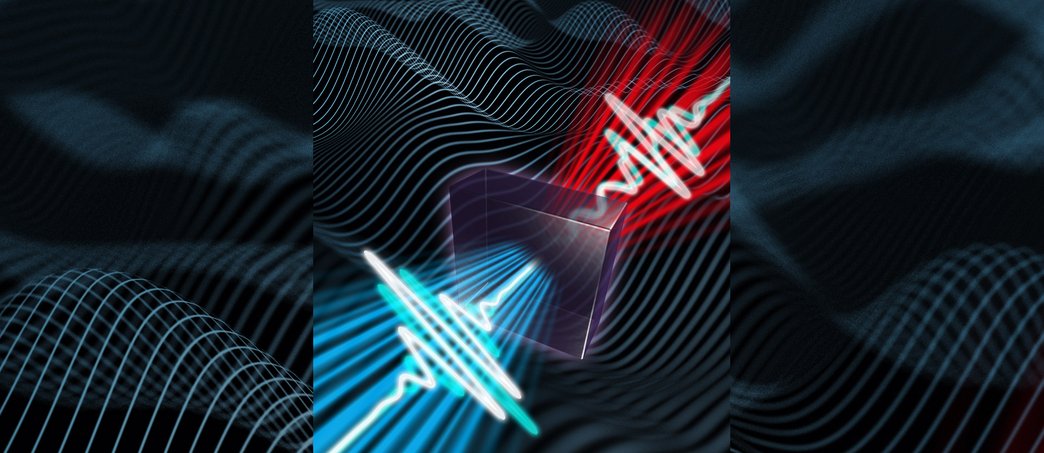
Controlling the Waveform of Ultrashort Infrared Pulses
ltrashort infrared light pulses are the key to a wide range of technological applications. The oscillating infrared light field can excite molecules in a sample to vibrate at specific frequencies, or drive ultrafast electric currents in semiconductors. Physicists from the attoworld team at the Ludwig-Maximilians-Universität München (LMU), the Max Planck Institute of Quantum Optics (MPQ) and the Hungarian Center for Molecular Fingerprinting (CMF) have now succeeded in generating ultrashort mid-infrared pulses and precisely controlling their electric-field waveforms. The basis for the new mid-infrared source is a stabilized laser system that generates light pulses with a precisely defined waveform at near-infrared wavelengths. The pulses consist of only one oscillation of the light wave and are thus only a few femtoseconds long (a femtosecond being one millionth of a billionth of a second, 10-15 s). The team utilizes frequency-mixing processes in nonlinear crystals to translate the near-infrared pulses into controllable infrared waveforms. With this infrared waveform manipulator at hand, new possibilities of optical control for biomedical applications and quantum electronics come into reach.
Biology
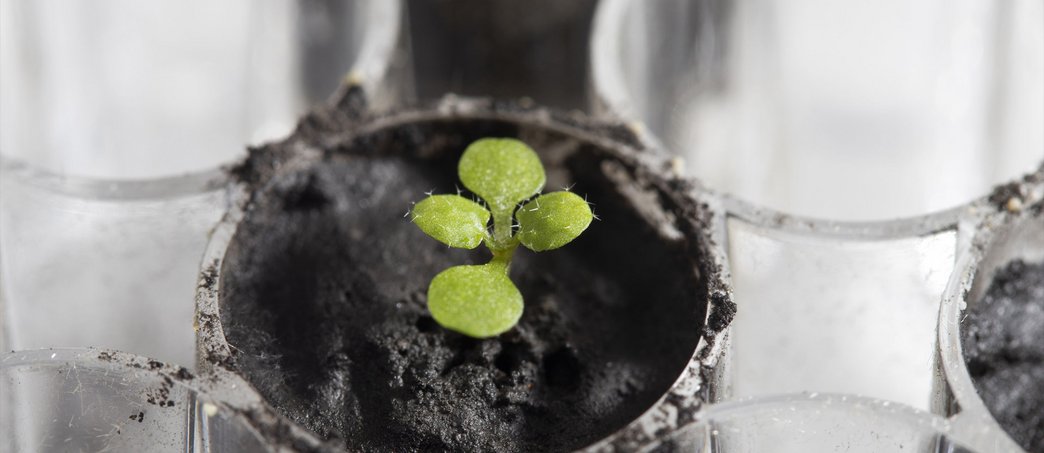
Lunar gardening
Our Earth satellite does not seem to be completely barren. Researchers at the University of Florida have now shown that plants can grow successfully in lunar soil. They also studied how plants react to lunar soil, also known as lunar regolith, which is fundamentally different from soil on Earth. Perhaps this is the first step toward making food supplies local on future lunar missions.
Biology
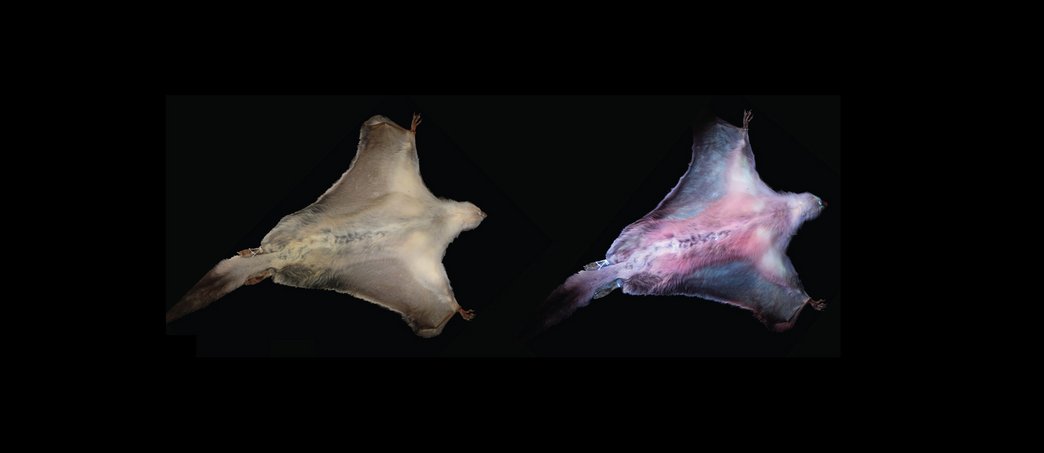
Fleeting glow
When ultraviolet light hits the fur of various mammal species, it glows in shades of pink and red. An international group of researchers led by the Museum für Naturkunde Berlin and the Humboldt-Universität Berlin, has identified the molecule porphyrin as the cause of this phenomenon. The organic dye is produced by the body's own disposal of porphyrins. The results suggest that many mammals glow in the dark, but the diurnal ones only glow briefly.
Biology
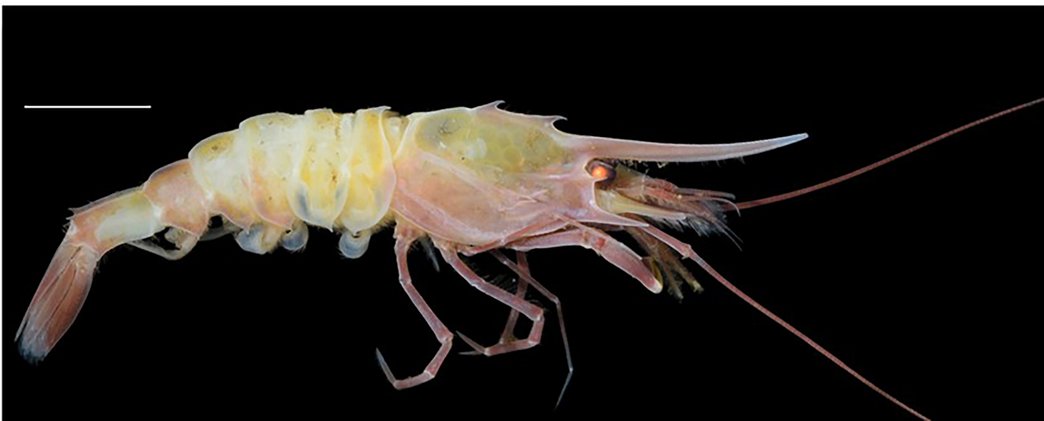
Warning signals from the sea
News from the depths of the ocean: Scientists from the Senckenberg Research Institute and Natural History Museums have analyzed a total of 18,668 distribution data of bottom-dwelling marine animals and found that the most important factor for many species communities is water depth. In a study published in the journal Frontiers in Marine Science, they were also able to show that other known factors such as water temperature, silicate content, light and currents play a decisive role in patterns of community composition. These findings are an important milestone in understanding how species communities might respond to environmental change. The researchers urge more focus on differences among seafloor-dwelling communities in responding to future climate and environmental changes.
Biotechnology
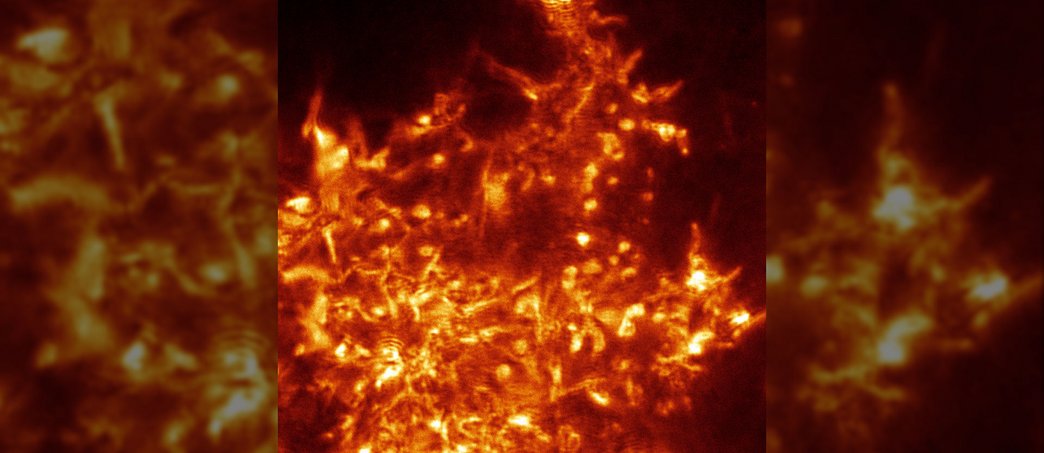
Cell dynamics under blue laser light
When large cities turn into a world of lights in the dark, they reveal only outlines. Similar to a city at night, fluorescence microscopy uses fluorescent dyes to make biological cells glow in certain areas via light switching. However, this glow is usually too dark for small, fast objects or goes out after some time. With a new approach developed in the Laboratory of Bio- and Nano-Photonics at the University of Freiburg by Prof. Alexander Rohrbach, he and his team have found a way to make the smallest objects extremely sharply visible without fluorescence. Here, cellular structures or virus-like particles can be observed 100 to 1,000 times longer, ten to 100 times faster and with almost twice the resolution than with fluorescence microscopy. While fluorescence microscopy records "night images" of structures, the microscopy developed by the Freiburg scientists records "day images" - opposites that combine well.
Cosmology
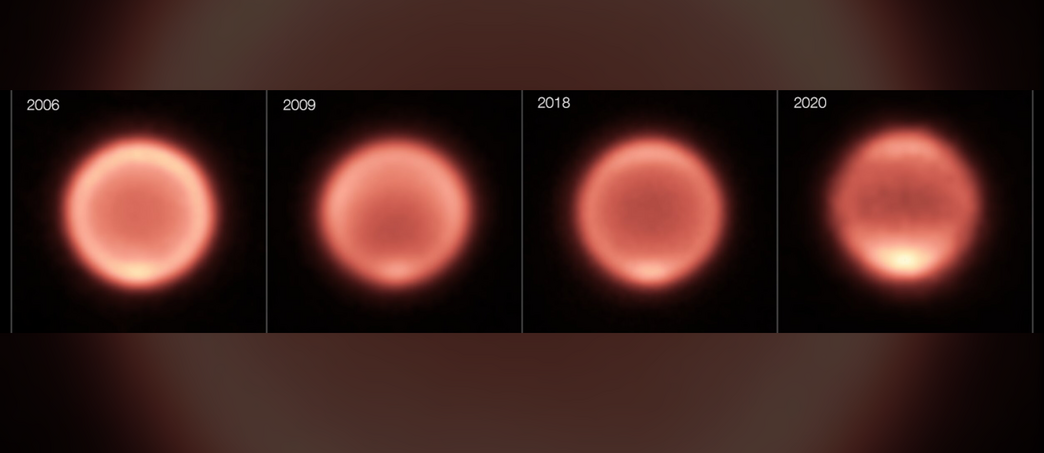
Changes in the temperature of Neptune
An international team of astronomers used ground-based telescopes, including the European Southern Observatory's (ESO) Very Large Telescope (VLT), to track temperatures in Neptune's atmosphere over a 17-year period. They found a surprising drop in Neptune's global temperatures, followed by a dramatic warming at its south pole.
Biology
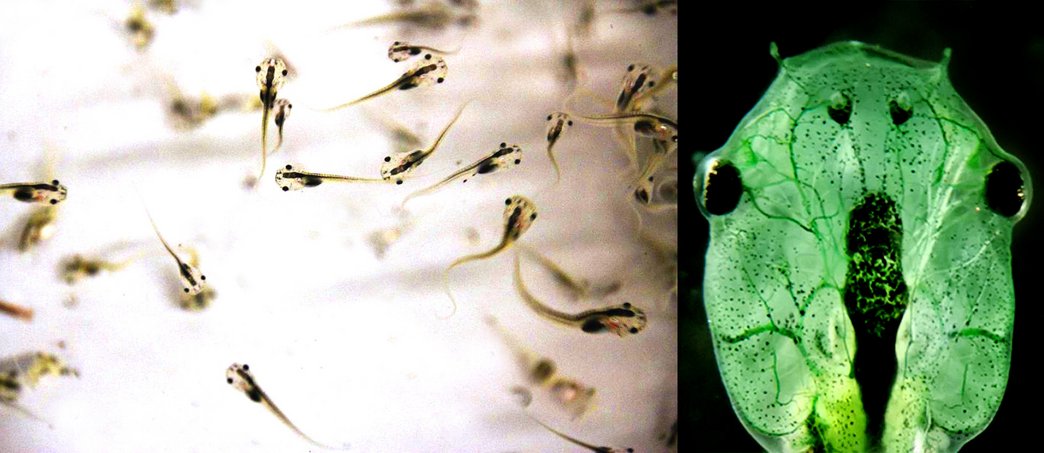
Oxygen directly on site
Breathing without gills. That is actually not possible under water. But now scientists at the Faculty of Biology at Ludwig Maximilian University in Munich have created tadpoles without gills that produce vital oxygen through photosynthesis. Idea behind it: If the tadpoles actually produced their oxygen directly in the brain, the neurons could immediately use it to increase their neuronal activity.
Physics
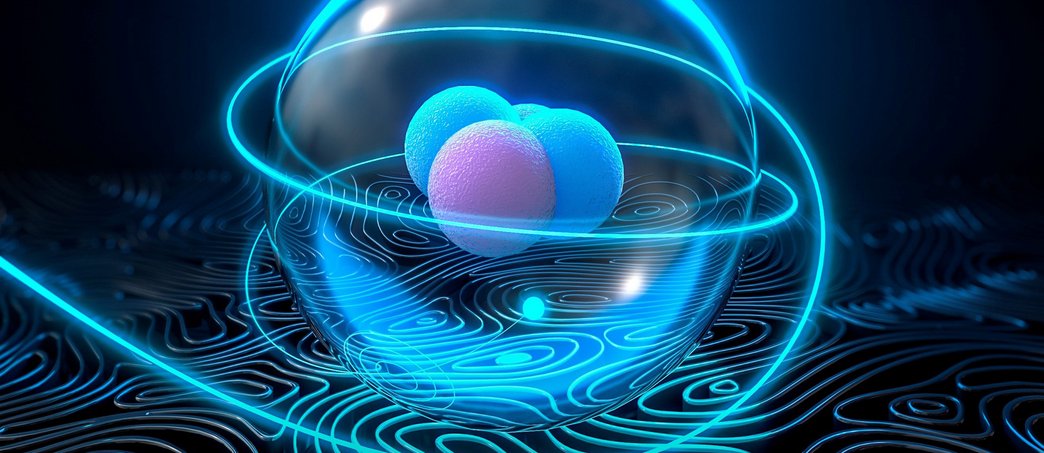
Antiprotons in superfluid
A team of scientists at CERN led by MPQ physicist Masaki Hori has found that a hybrid antimatter-matter atom behaves in an unexpected way when submerged in superfluid helium. The result may open a new way for antimatter to be used to study the properties of condensed matter, or to search for antimatter in cosmic rays.
art and culture

Who turned back the hands of time?
Every year, and twice, we change our watches in the course of the clock change. Next weekend, the change from winter to summer time is due again. In 2018, the European Union wanted to review these current regulations of seasonal time shifts for their expediency and ultimately abolish them with the year 2021. So far, however, there is still disagreement among the individual member states. And so not only our chronometers, but also we and our biorhythms will be ticking differently again from next week.
art and culture
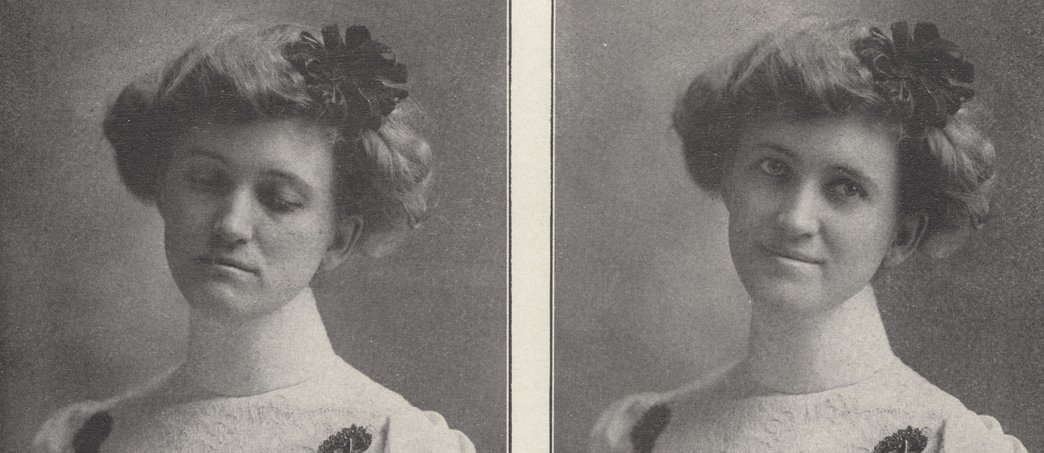
Beautiful pictures - half the truth
Let's face it. Who hasn't reworked their pictures until they corresponded to their own ideas and no longer necessarily to reality? But don't worry. Anyone who has ever used filters, stamps or other tools on their photos is joining a long tradition. The subsequent editing of photographs is as old as the medium itself. This is demonstrated by the online exhibition "Image Manipulation in Photography" of the Max Planck Society's Institute of Art History. Using historical and modern methods of image manipulation, the exhibition tells the technical history of photographic retouching. It reveals how "constructed" even documentary photographs can be.
Biotechnology
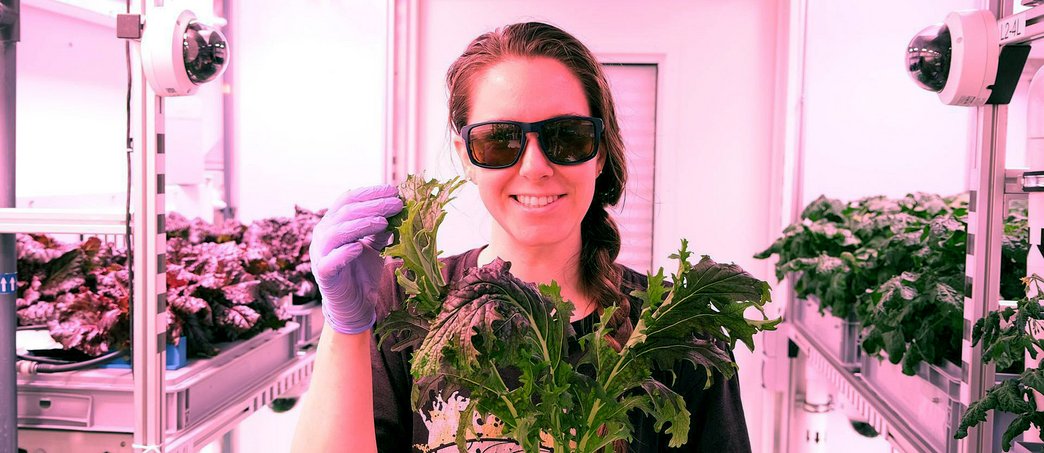
Tomatoes from the ice
In the middle of Antarctica, researchers at the German Aerospace Center are cultivating tomatoes, peppers and all kinds of other vegetables. They are testing innovative cultivation methods to make food supplies for long-term space missions less dependent on provisions.
Technology
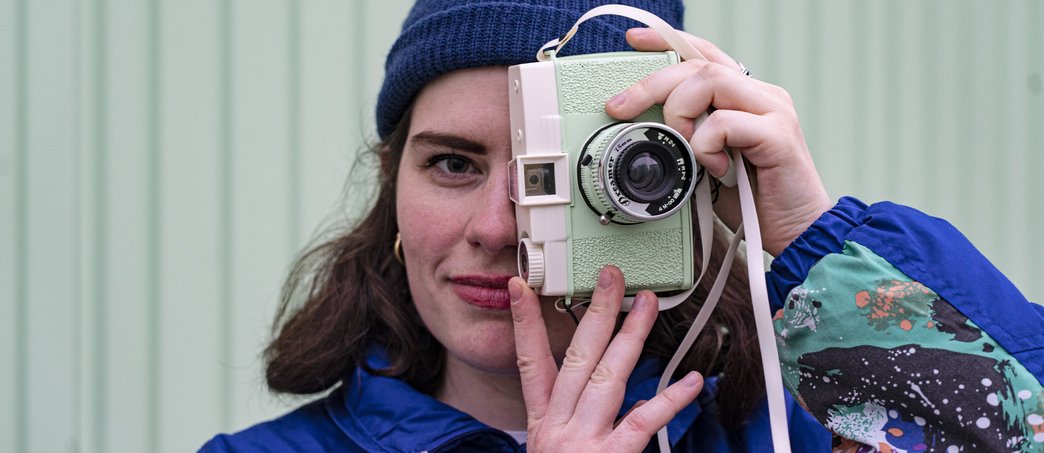
Diana F+ on the test bench
As a devotee of analog photography, it is almost a logical consequence that Susanna Fischerauer will eventually come into contact with Lomography. Already in possession of an old roll film, the student now acquired an extremely rudimentary DianaF+ camera from China. The history of the Diana analog camera goes back to the 1960s. Today, it is a cult symbol for dreamy and radiant shots. But what is the practice with this chic vintage device? Susanna enters the photographic genre of lomography with the featherweight camera. The small apparatus puts her enthusiasm for analog photography to the test.
Cosmology
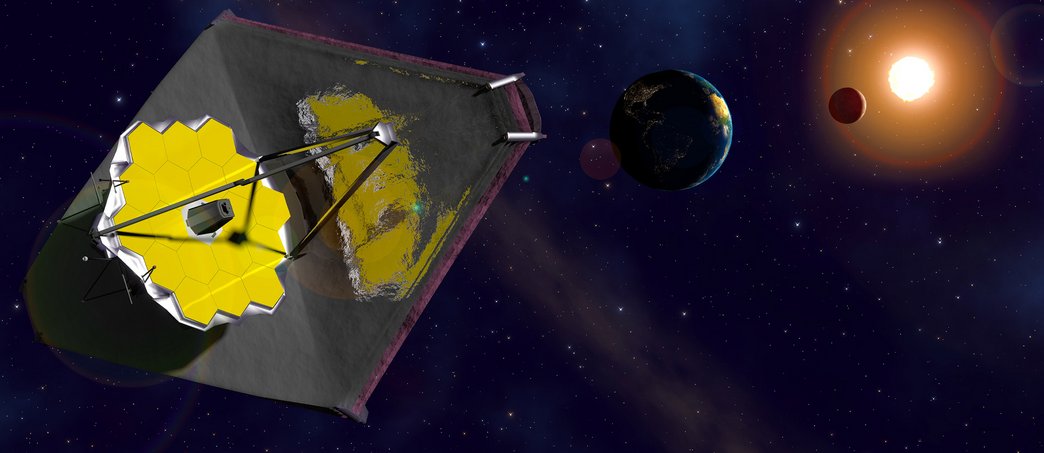
A new light catcher in space
Astroparticle physicist Dr. Nils Haag followed the launch of the James Webb Telescope into space with great excitement. Today, Haag may be working in laser physics, on the attoworld team at Ludwig Maximilian University, but the vastness of space still excites him. He is looking forward to the new discoveries that the telescope will enable his former colleagues around the world to make.
Medical technology
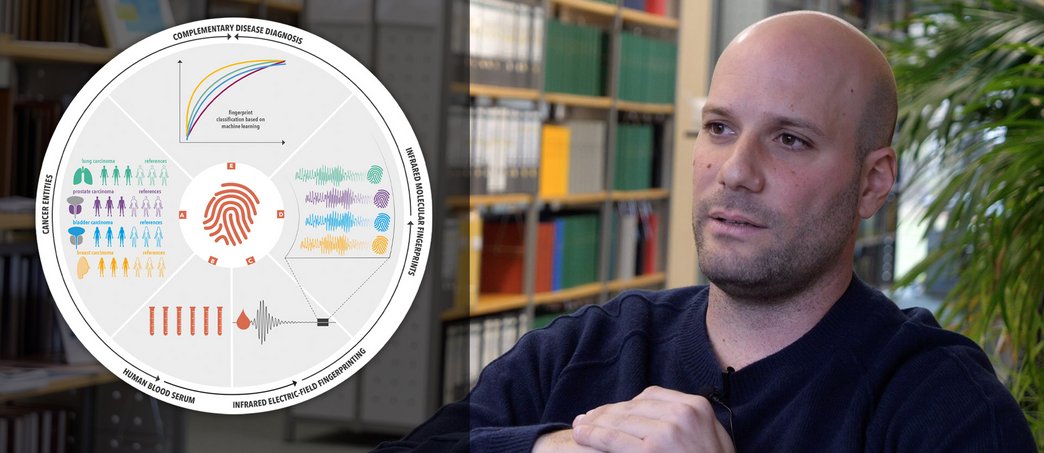
Early BIRD
nfrared spectroscopy can be harnessed to detect molecular traces that tissue tumors leave in our bloodstream, without invasive tissue biopsies. This is the result of a study carried out by the Broadband Infrared Diagnostics (BIRD) research team in the attoworld group of the Chair of Laser Physics at Ludwig-Maximilians-Universität München (LMU) In October 2021. The scientists presented the approach, state of research and individual merits of this study of diagnostic detection of cancer in the science magazine eLife. Accompanying this publication, Dr. Kosmas Kepesidis, Senior Scientist and Data Analyst of the Broadband Infrared Diagnostics (BIRD) team, reports in this video on the research results to date.
Biology
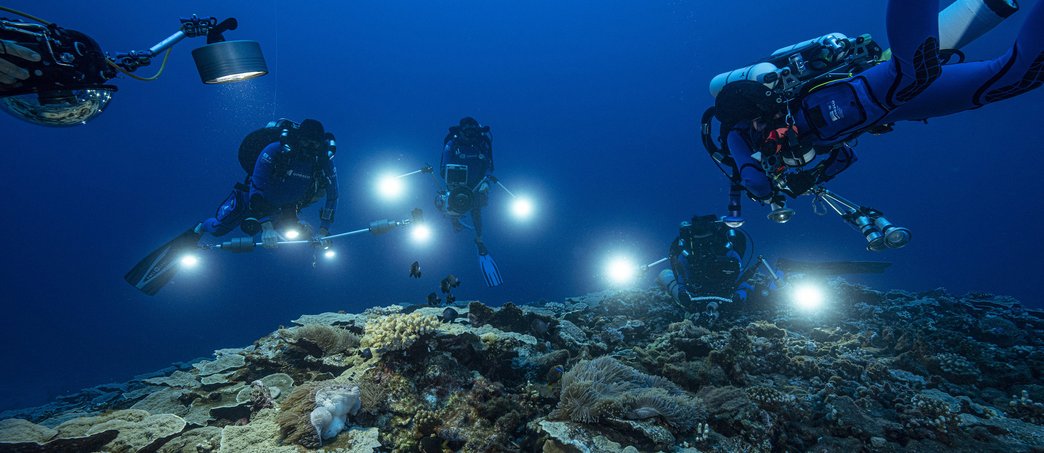
Corals in the twilight zone
One of the largest coral reefs in the world has been discovered off the coast of Tahiti by an expedition supported by UNESCO. The pristine condition and vast area covered by extraordinary corals make this discovery a special one.
Interview
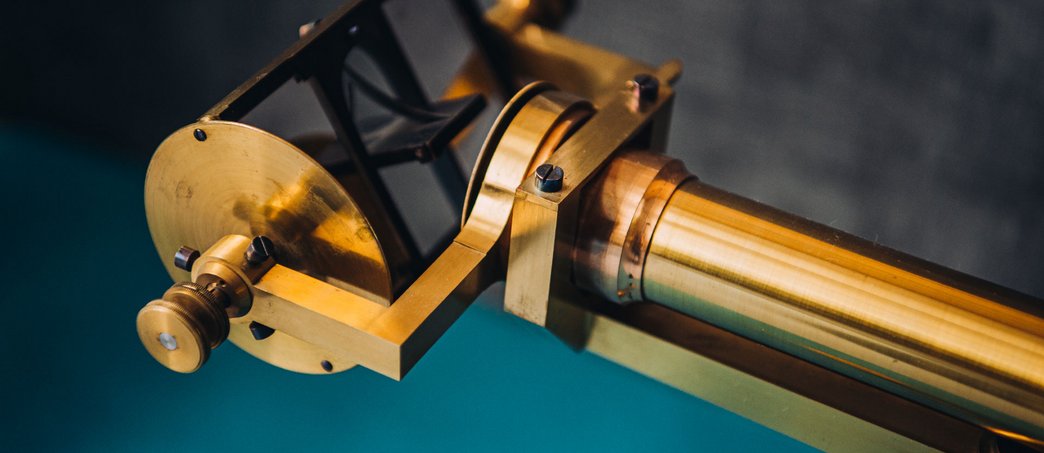
"The totality of the collection impressed me"
With its new illustrated book "Sachverstand," Justus Liebig University (JLU) Giessen opens the gates to its more than 50 collections. Among other things, antique sculptures, globular calculating machines, bone preparations, historical surveying instruments and orthopedic horseshoes are revealed. Dr. Alissa Theiß and Prof. Michael Lierz have compiled the valuable collection pieces and their stories in the compendium and presented them in an exciting way for the public. The entire illustrated book was photographed by Katrina Friese, a photographer from Giessen. She worked her way through the large number of collection items and skillfully staged them. The special thing about it is that the photographer photographed most of the objects directly where they are stored. She talks about the project in an interview.
Physics
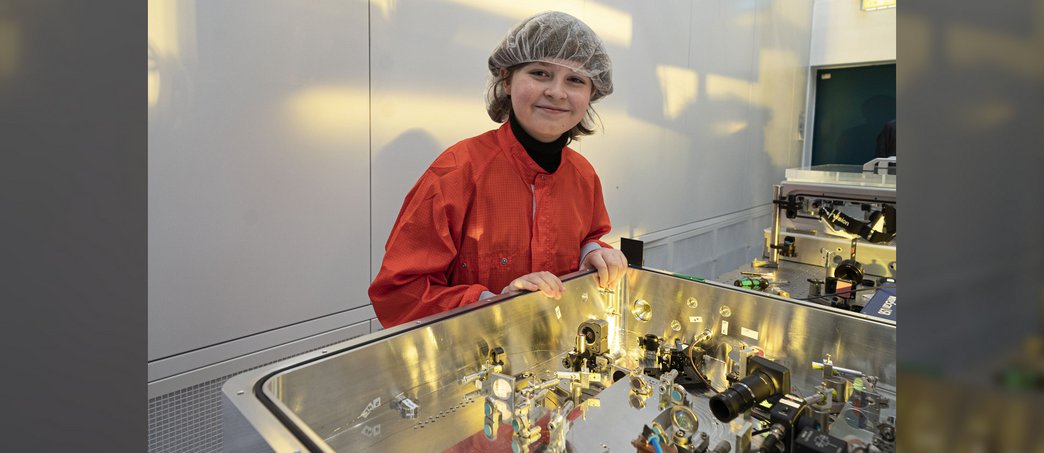
"I just love learning"
One of the youngest university graduates in the world has been a guest of the attoworld team for the past six weeks. After completing his Bachelor's degree, eleven-year-old Laurent Simons completed an internship at the Faculty of Physics at Ludwig Maximilian University and the Max Planck Institute for Quantum Optics. Here, the highly gifted boy from Antwerp tells us what particularly excited him.
Cosmology
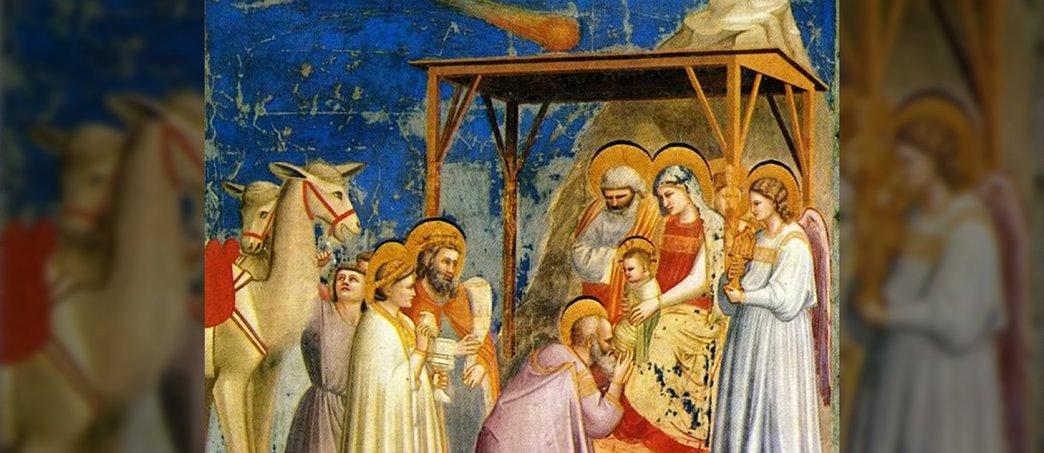
The Star of Bethlehem
A central event in the biblical account of Christ's birth is the appearance of the star of Bethlehem. Its bright light once showed the wise men from the East the way to the birthplace of Jesus. To corroborate the biblical event, stargazers and astronomers of the past already tried to find scientific evidence and an explanation for this phenomenon. But sometimes it is perhaps more conducive to let the content and the message of a metaphorically laid out narrative work on you than to fathom its details to the depths.
Interview
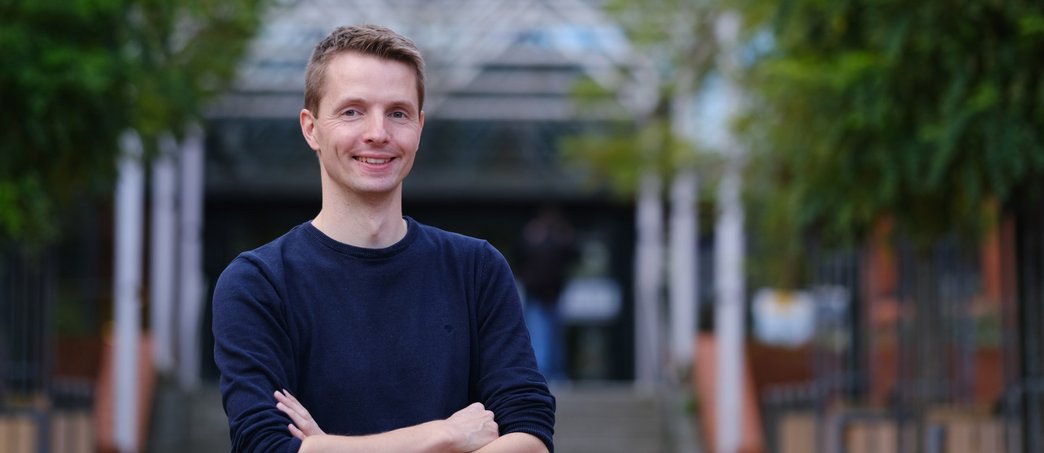
"I want to understand how charge carriers behave at interfaces"
The conversion of electrical energy into light - and conversely the conversion of light into solar power - cannot do without optoelectronic components. They are the interface between electrical and optical components. And they are getting smaller and smaller. Oldenburg physicist Dr Jan Vogelsang is working on the processes that take place in such components: The young researcher is working on making the physical mechanisms in the nanoscale visible. Now he has been accepted into the renowned Emmy Noether Programme of the German Research Foundation (DFG) and is setting up his own junior research group. With his project "Attosecond charge carrier dynamics at nanoscale interfaces", he makes processes visible that are too small and too fast to be visible to the human eye.
art and culture
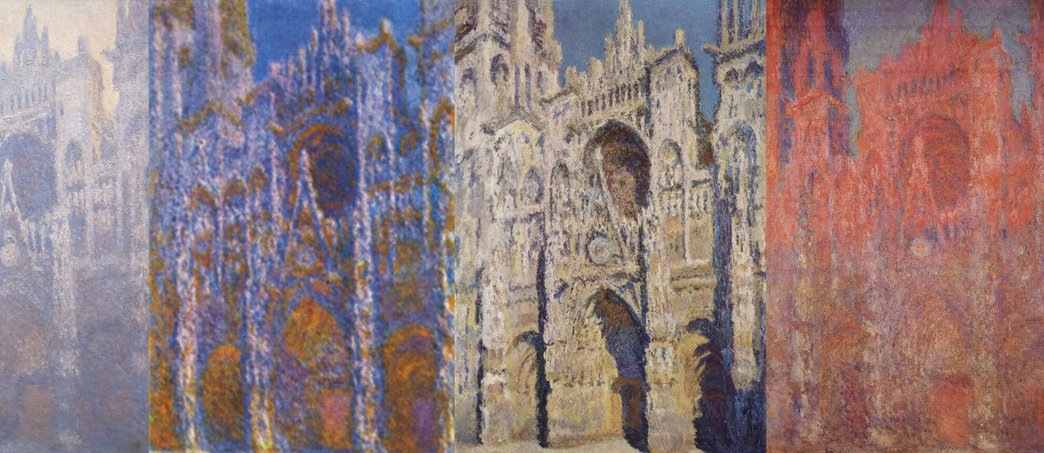
From dawn till dusk
The depiction of light and its atmospheric ambiences has always been a central theme in the visual arts. From the implementation of mythological ideas of antiquity to the sophisticated, technically demanding lighting of the Old Masters to contemporary art, where real light sources are increasingly being used: the aim is to literally put motifs, sceneries and places in the right light. In Impressionism," a stylistic era of the late 19th century, the facetted rendering of light reached a peak in the course of the endeavor of capturing the peculiarity and the atmosphere of a special moment on canvas. And so it happened that the world-famous painter Claude Monet (1840-1926), at the height of his creative powers, was eager to dedicate an entire series of 33 paintings to Rouen Cathedral in the light of different times of day.
Interview
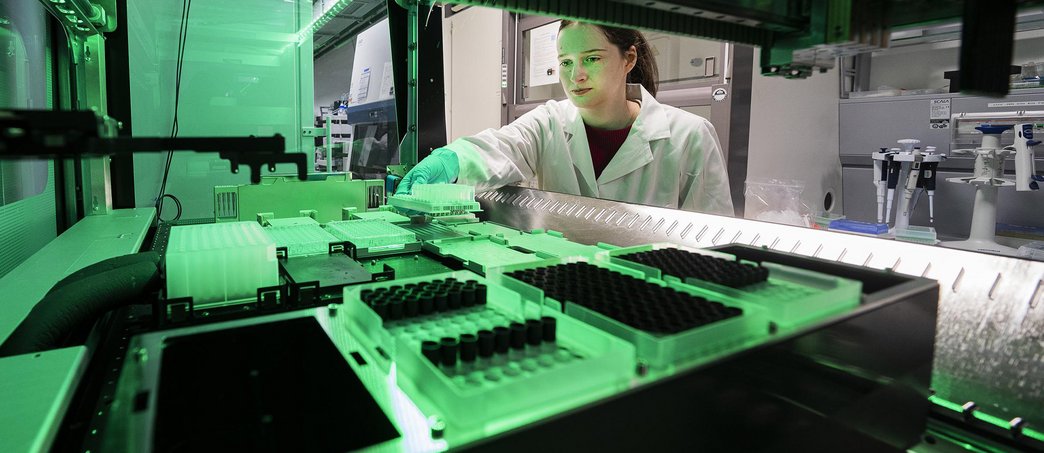
New country and new challenges
Viola Zóka took a big step when she decided to move from Hungary to Garching in October 2020 and join the Center for Molecular Fingerprinting (CMF) as a biological-technical assistant. CMF works closely with the attoworld group at the Max Planck Institute of Quantum Optics (MPQ) and the Ludwig-Maximilians-Universität München (LMU Munich). In a video portrait we would like to introduce her and her work.
Biology
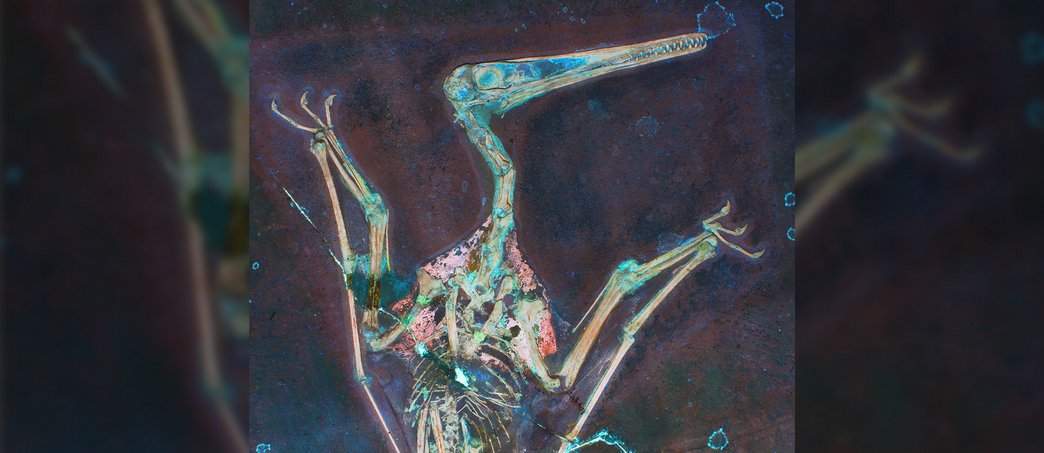
Aerodynamics under laser light
Using fluorescence, paleontologists from the University of Hong Kong have visualized the few remains of soft tissues from a Jurassic pterosaur. They provide information about its flight technique.
Medical technology
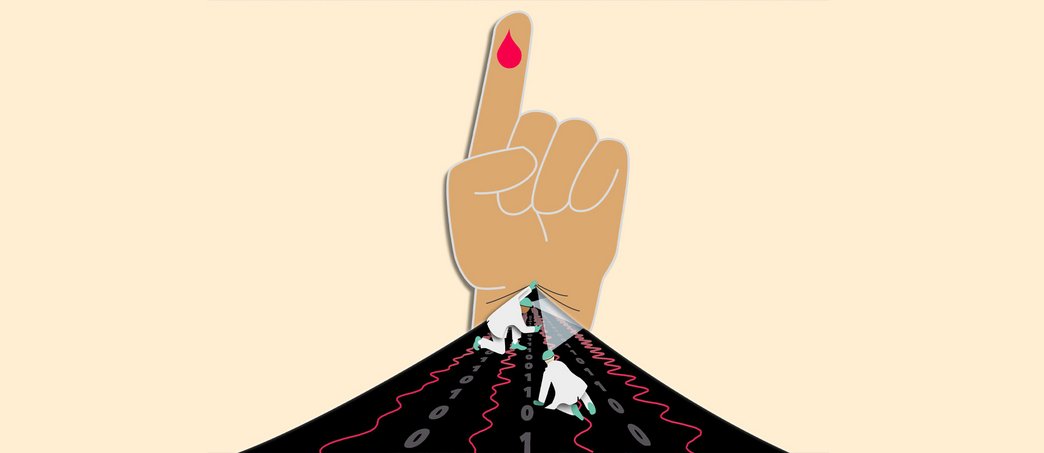
Tracking cancer in your blood
Cancers can grow in numerous places within our bodies and present tremendous threat to our health. But if one could spot cancerous growth early on, the chances to win over it would be higher. Are there ways of achieving this? The Broadband Infrared Diagnostics (BIRD) research team from the Laser Physics department of the LMU Munich revealed that infrared spectroscopic profiling can be used to pick up molecular traces that solid tumors leaves in our blood stream.
art and culture
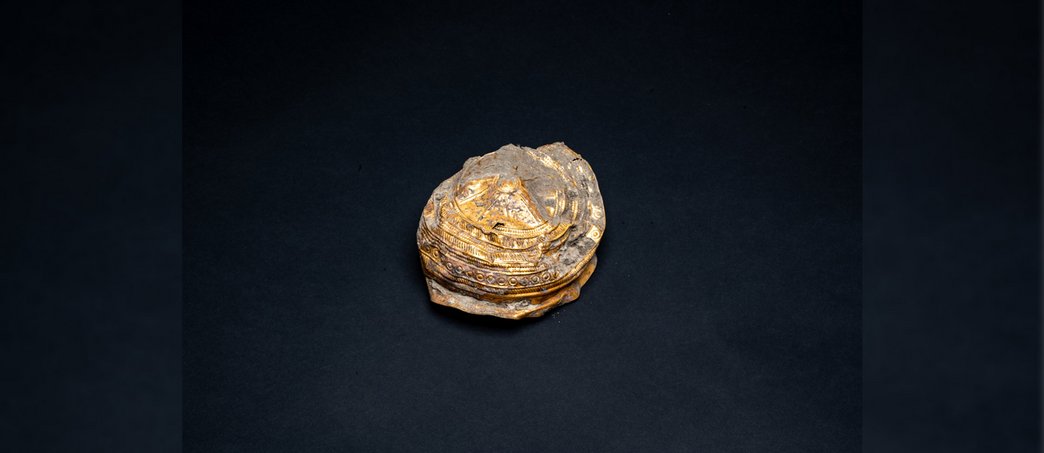
Sun worship in the Alps
The inhabitants of the Alps probably worshipped the sun as early as about 3000 years ago. This is confirmed by an extraordinary find made by archaeologists led by Dr. Michał Sip of the University of Vienna. During excavation work at a cult site near Ebreichsdorf in Austria, they found a gold bowl with a sun motif from the Urnfield Culture. Until now, there has been little evidence that people in the Alps practiced a sun cult at that time.
Physics
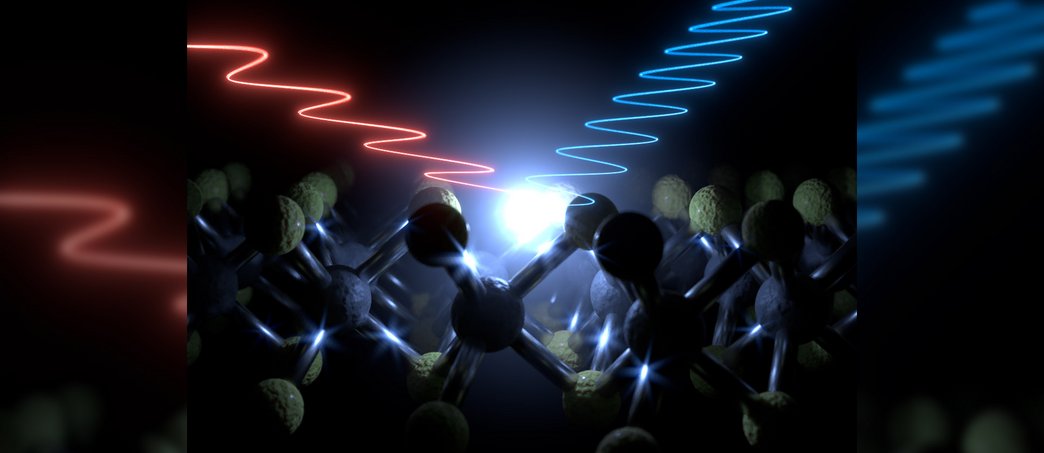
Less than nothing
We know the things of everyday life only as a positive quantity. The weight of an object, for example. Why matter seems to have positive mass in principle is one of the unsolved mysteries of physics. But what would be the consequences of a negative mass? An international team led by Dr. Kai-Qiang Lin and Prof. Dr. John Lupton from the Institute for Experimental and Applied Physics at the University of Regensburg has now discovered what negative mass looks like in the microcosm.
Physics
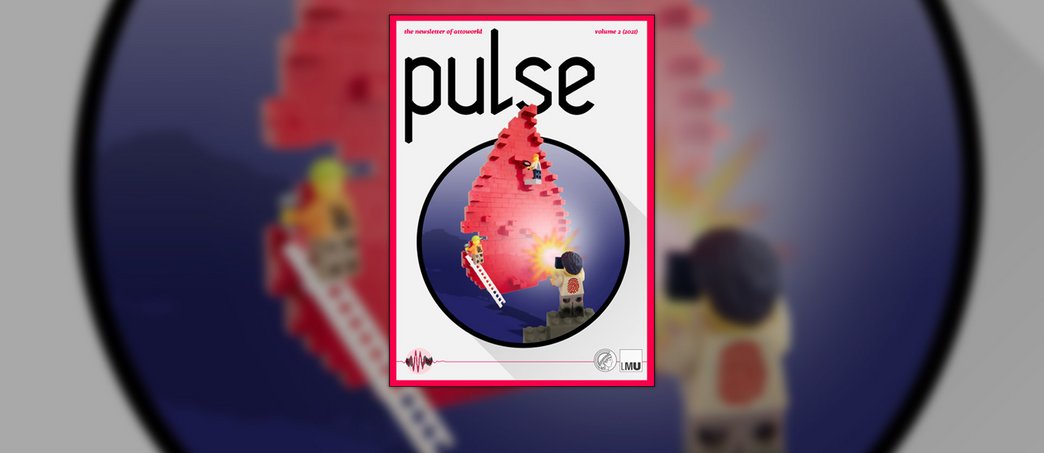
pulse - the newsletter of attoworld vol. 2
The latest issue of our newsletter "pulse" has been published. We have compiled many exciting topics from the attoworld family for you. Printed copies are available at the Max Planck Institute of Quantum Optics (MPQ), at the Ludwig Maximilians University (LMU), Am Coulombwall 1, and also at the Campus Großhadern at the L4L team. We hope you enjoy reading it! The online version of the second issue of our attoworld newsletter can be found here for Download.
Physics
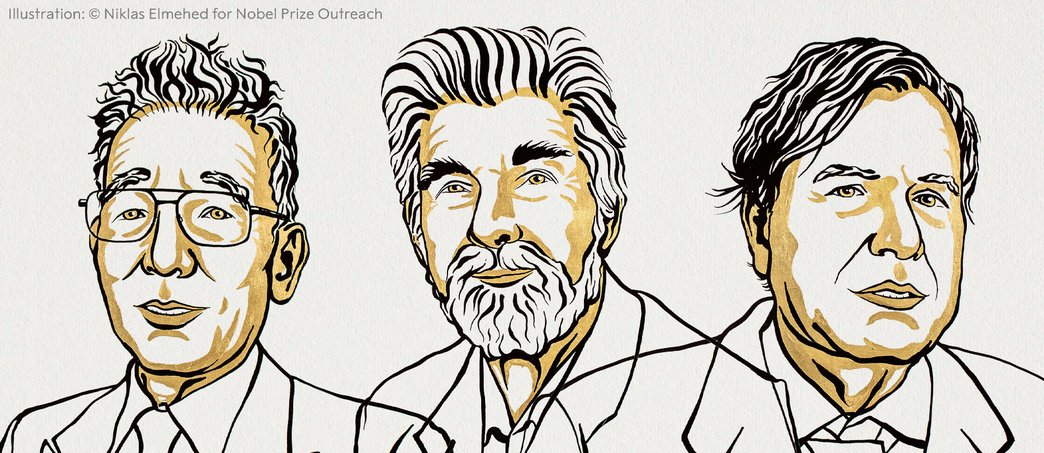
Physics Nobel Prize 2021 for Klaus Hasselmann
Klaus Hasselmann and Syukuro Manabe are honoured for their fundamental contributions to climate research, Giogio Parisi for his research on disordered materials and random processes. Klaus Hasselmann developed a model that linked together weather and climate, demonstrating how short-term phenomena such as precipitation are related to long-term developments such as ocean currents. This helped to explain why climate models can deliver reliable predictions despite short-term weather fluctuations. His methods have been used to prove that the increased temperature in the atmosphere is due to human emissions of carbon dioxide.
art and culture
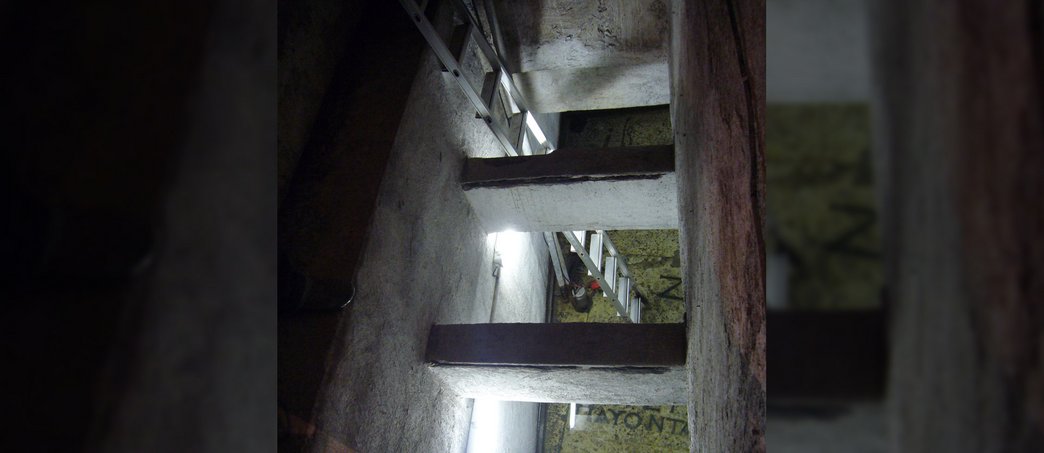
Rolex of antiquity
Watches have long since ceased to be mere instruments for precise timekeeping. They are sometimes regarded as something special, as a criterion of distinction that underpins one's own habitus. They are sometimes regarded as something special, as a criterion of distinction that underpins one's own status and habitus. They are a fashion accessory, an expression of technical sophistication, a precious antique, or simply a status symbol whose value today can easily exceed the price of a limousine. Sometimes ostentatious, sometimes relying on understatement. That this has not only been the case since modern times is proven by an example from Roman antiquity: the horologium of Emperor Augustus. What does this have to do with light in the context of photonworld? Well, it is a kind of sundial.
Geology
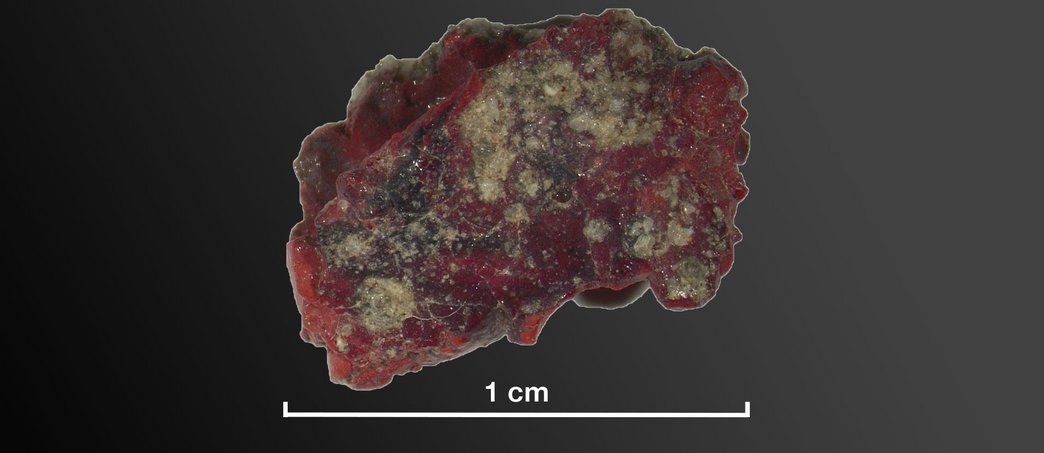
Birth in Hell
It was during the first atomic bomb explosion in 1945 of all things that the oldest manmade quasicrystal was created.
Physics
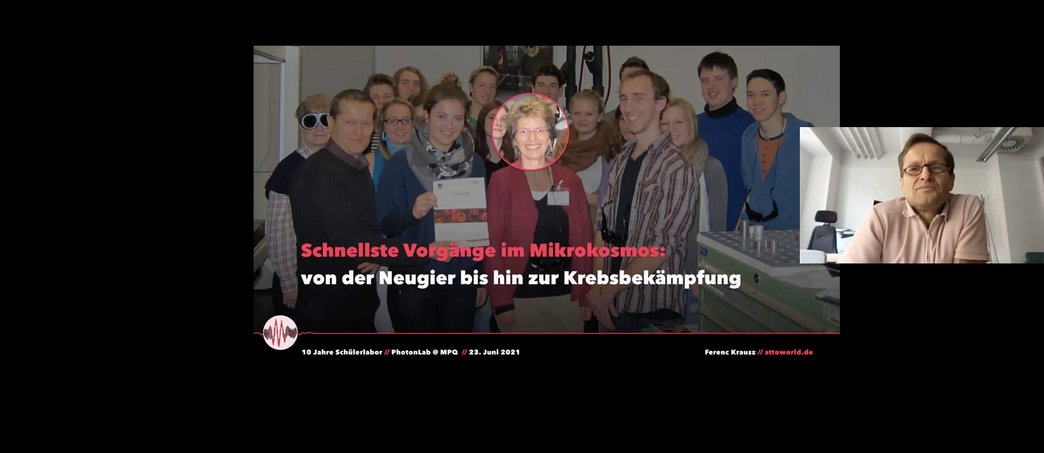
Fast-moving processes in the microcosm: From curiosity to fighting cancer
How incredibly short are attoseconds? And how can such ultrashort laser pulses enable innovative approaches, both now in the field of basic research and in the future in practical applications in the field of medical diagnostics? Prof. Ferenc Krausz, Director at the Max Planck Institute of Quantum Optics and Chair of Experimental Physics at the Ludwig Maximilian University of Munich, explores these questions in his online lecture, which can be viewed here, given on the occasion of the anniversary event "10 Years PhotonLab" on July 23, 2021.
Physics
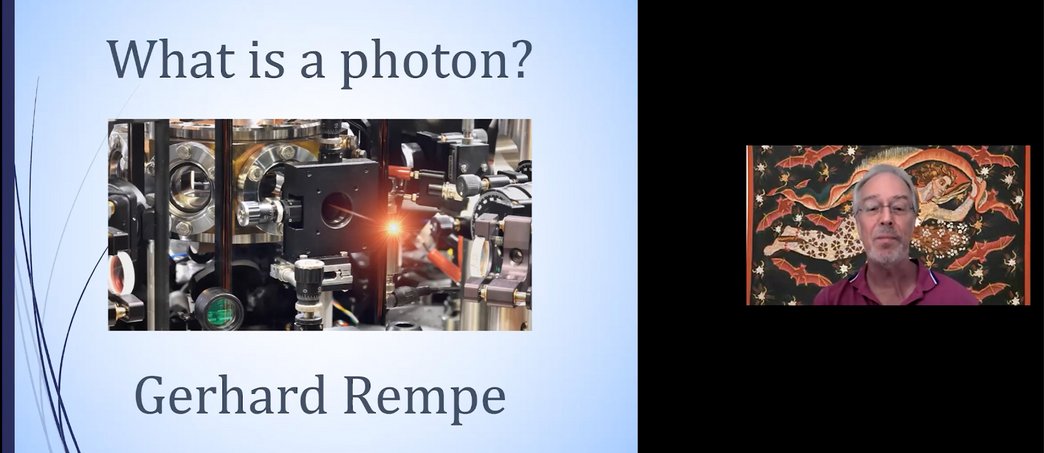
What is a photon?
On the occasion of the digital anniversary event "10 years PhotonLab", the student laboratory at the Max Planck Institute of Quantum Optics (MPQ) in Garching, quantum physicist Prof. Gerhard Rempe, director at the MPQ and physics professor at the Technical University of Munich, asked the question in his popular science lecture: "What is a photon?"
art and culture

Lasergirl against the killer germ
A new comic heroine is conquering the world of science and future technologies. While Batman and Iron Man first have to invent the technologies that give them superpowers and still remain science fiction, it's the other way around for Lasergirl: her superpower really exists. It's science, not fiction. The science comic "Lasergirl" was invented by scientists at the Leibniz Institute for Photonic Technologies. Lasergirl's superpower is light. Her secret weapon is a sophisticated method for quickly detecting life-threatening infections.
Physics
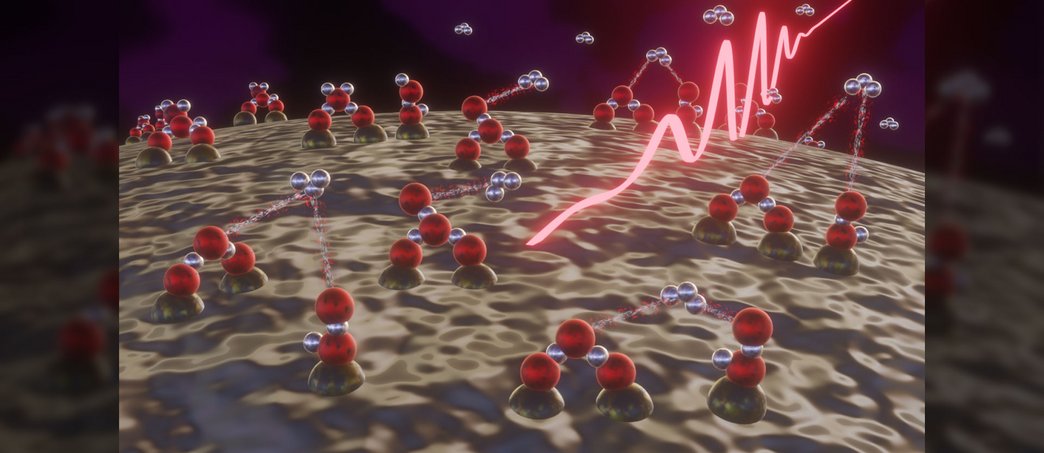
Synthesized with Laser Light
The research group Field-Resolved Nano-Spectroscopy at attoworld, led by Prof. Matthias Kling of the Ludwig-Maximilian University in Munich (LMU) and the Max Planck Institute for Quantum Optics (MPQ), in cooperation with the American University in Sharjah, has discovered a new method for the production of protonated hydrogen (H3+). With the aid of high-intensity laser pulses, they were able to trigger a reaction between water molecules on the surface of nanoparticles resulting the creation of trihydrogen ions. This scenario mimics the conditions found in outer space, in which dust/ice particles are exposed to radiation that is energetic enough to induce the formation of trihydrogen ions.
Technology
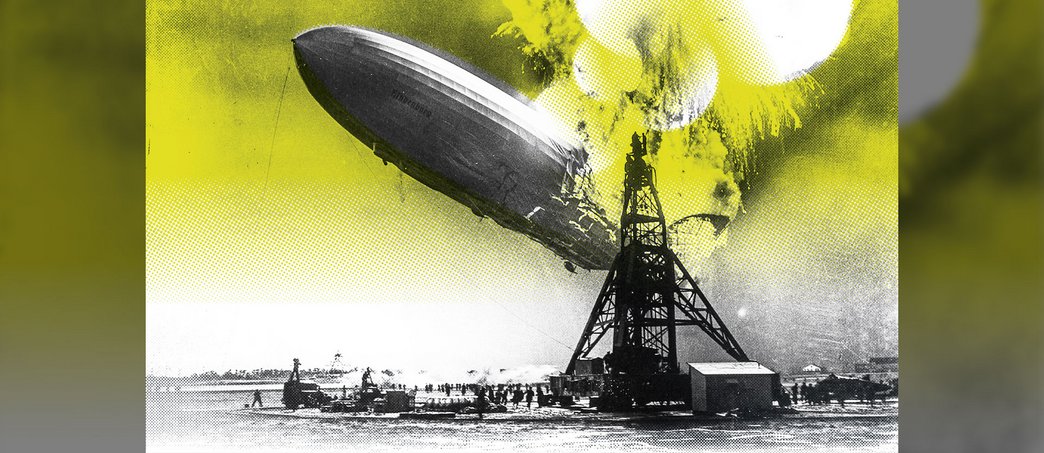
Dissonance à la Hindenburg
Why hydrogen can also challenge sociopsychological theories and why the laser has been switched off for a change.
Physics
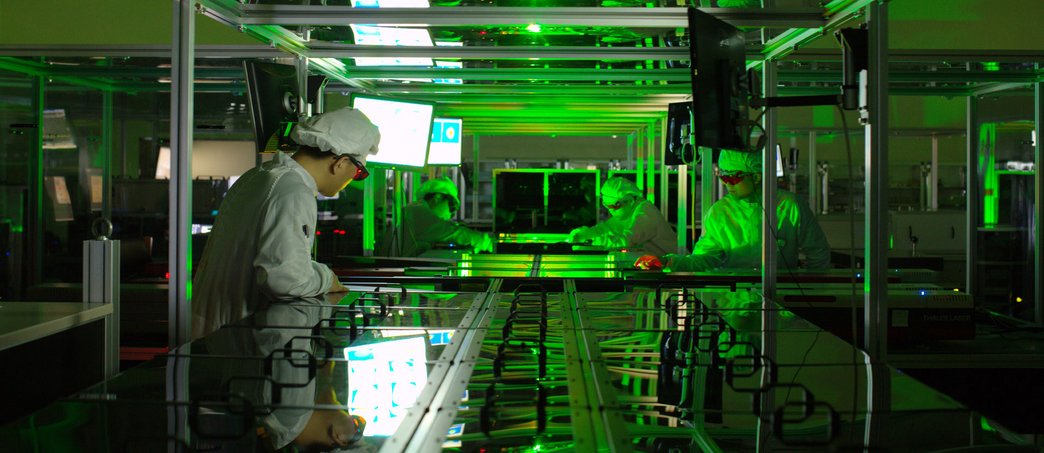
100 sextillion watts per square centimeter
South Korean laser scientists succeeded in focusing laser light with an unprecedented intensity. A milestone in laser physics.
Physics
Happy birthday, laser!
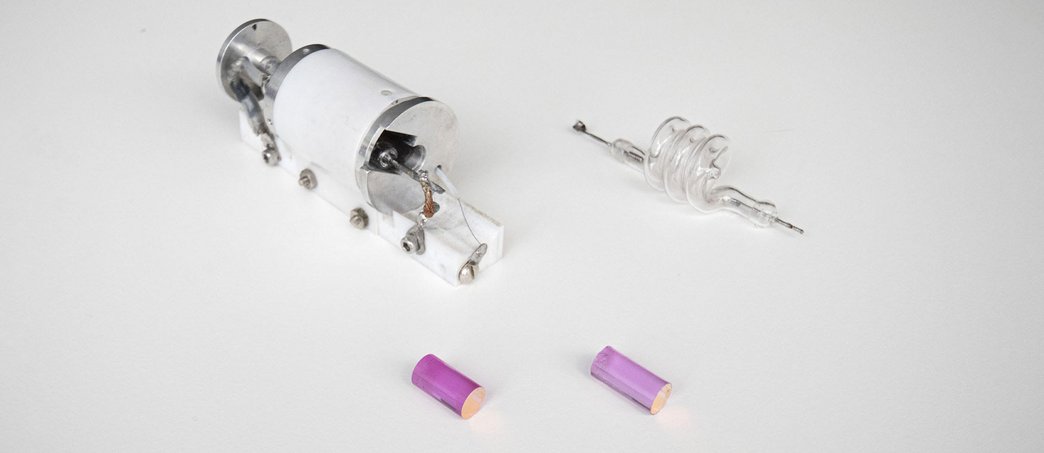
On May 16, 1960, the laser was born. The device that Theodore Maiman built, still exists. Together with Ted Maiman's lab book, the historic laser is on display at the Max Planck Institute of Quantum Optics. We are honored to have the laser in house. We took the occasion of its birthday to present the small device in a video. Dr. Matthew Weidman, group leader of the attosecond metrology 2.0 team in attoworld, explains the individual components and the principle of how a laser works.
Technology
Generating oxygen on Mars
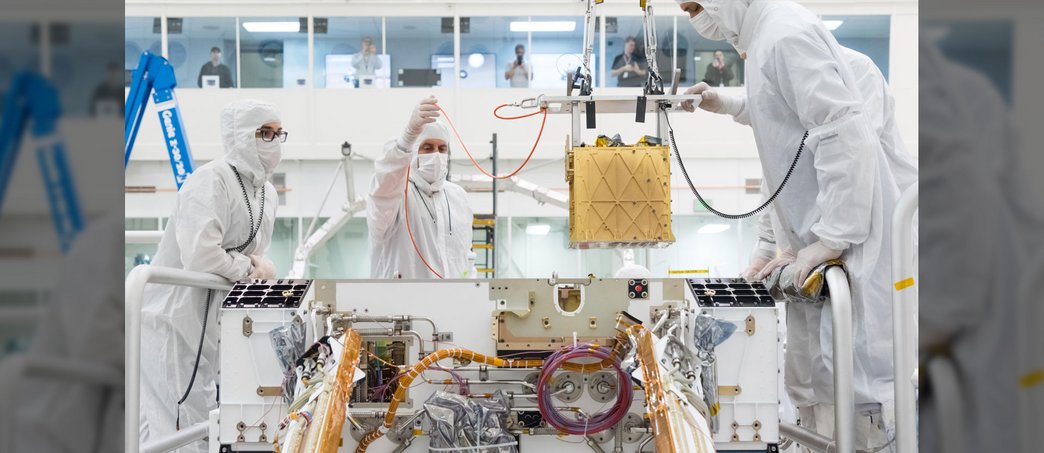
An instrument on board NASA’s Mars rover “Perseverance” has, for the first time, used atmospheric carbon dioxide to synthesize molecular oxygen on the Red Planet. This represents a significant step on the way to interplanetary travel.
Cosmology
X-Ray light from Uranus
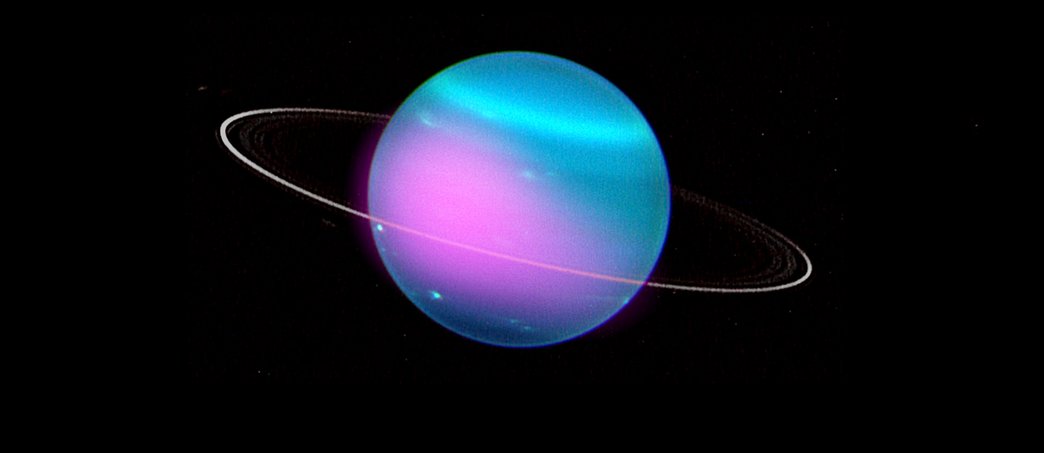
Uranus is sending out x-rays. That is what astronomists discovered with the help of the Chandra X-ray Observatory of the American Space Agency NASA. The x-rays might help us to learn more about our sun system’s mysterious ice giant.
art and culture

Among arctic explorers
The polar wind is merciless. You can practically feel the icy cold hit you as you look at a photograph of logistics expert Verena Mohaupt and polar bear guard Audun Tholfsen carrying their heavy research equipment in the arctic night. The ice floe has moved dramatically, cracks are opening up, both people and material have to be brought to safety. Photographer Esther Horvath accompanied the two on their dangerous job. In the background can be seen, hazy and brightly lit, the German icebreaker “Polarstern.”
Biology
Fireflies under threat
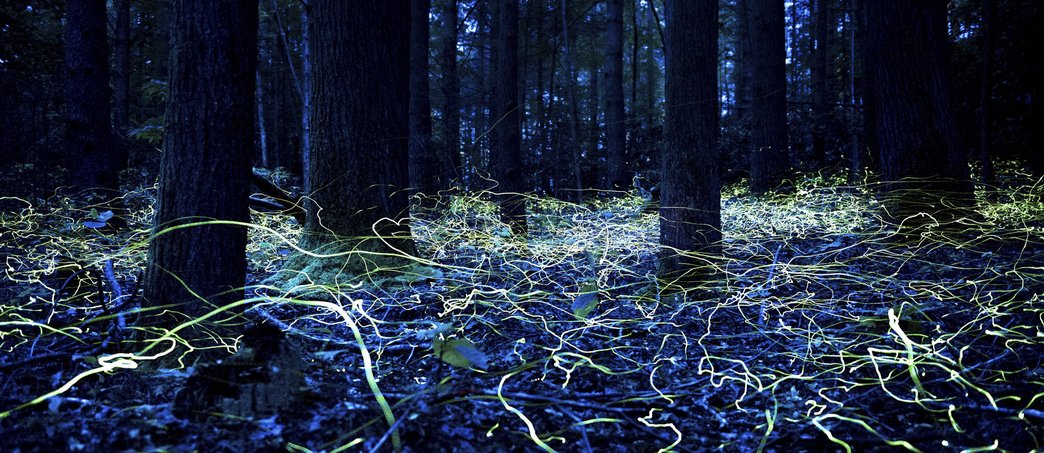
Like tracer bullets, mysterious flashes of light weave through the night in a forest in North Carolina, for these woods are home to the firefly species Phausis reticulata. Photographer Spencer Black has recorded their flight paths with a long exposure camera set-up.
Cosmology
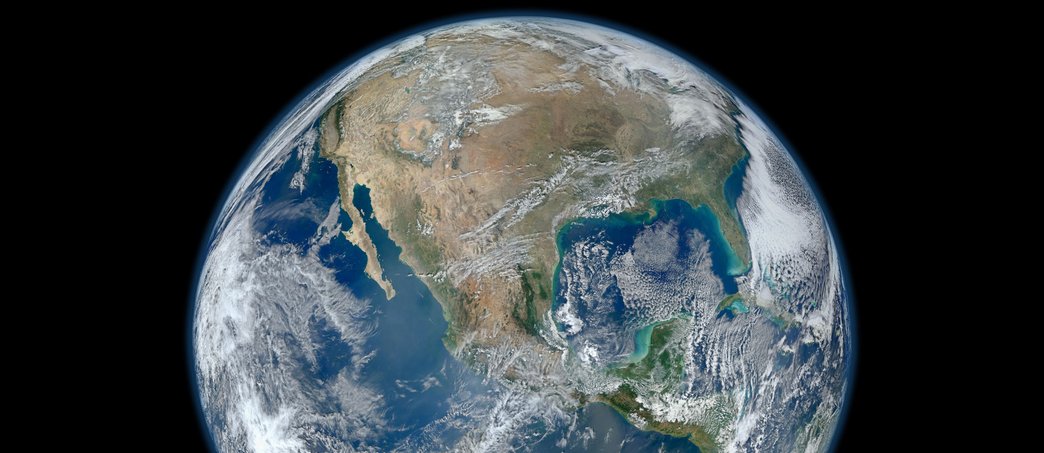
Fleeting Paradise
The oxygen in earth’s atmosphere is a transitory element. It was not always there, and most likely it will not be there in the far future.
Technology
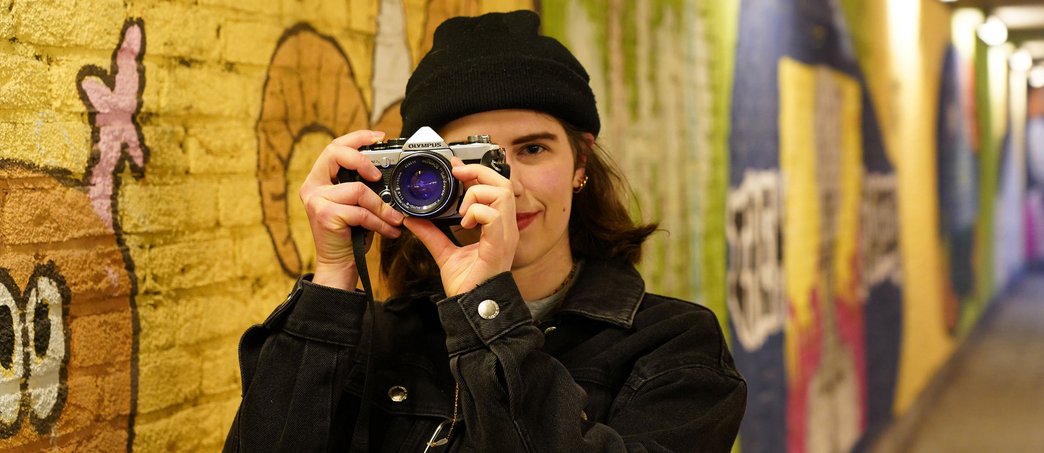
Analogue photography can be addictive!
When I was born, analogue photography had already passed its peak. I just turned 27. I first started doing photography with digital cameras. But when a friend gave me an analogue camera as a gift, a new era began for me. Since then, “back to the roots” has become my motto. I escaped the digital world and have come to love analogue photography.
Interview
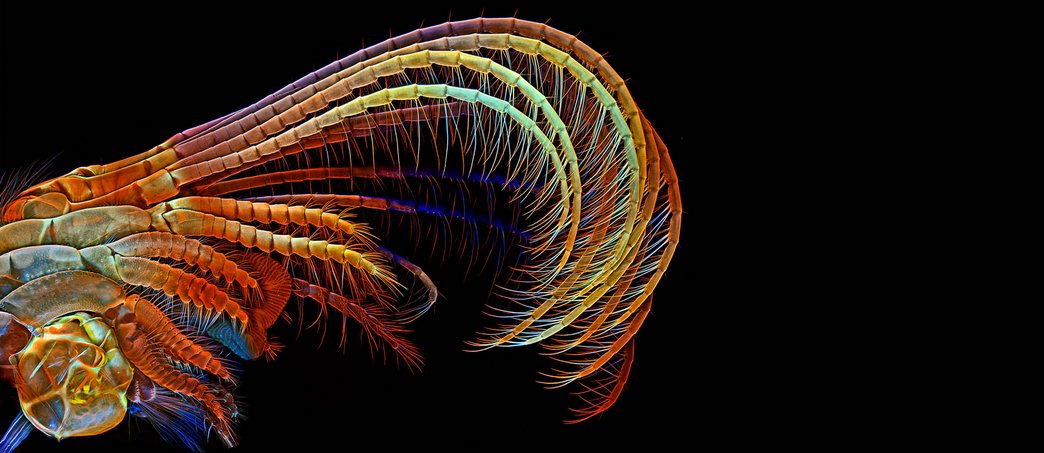
When magic happens in five milliseconds
Dr. Igor Siwanowicz’s photos offer us a fascinating insight into the world of the microcosm in all its detailed beauty. By training, Siwanowicz is a neurobiologist working at the Janelia Research Campus of the Howard Hughes Medical Institute, in Ashburn, Virginia (USA). His passion, however, is nature photography. He shows insects, plants or microorganisms, such as algae, in spectacular new ways, either macrophotographically or with the help of a laser confocal microscope. In his photos, microscopic structures become visible and are accompanied by a firework of colors. Siwanowicz has already won numerous prizes for his photos. In photonworld, he shows us some of his most beautiful images and tells us about his work.
art and culture

Gimme the news, Holo-Doc!
Why hard rock and lasers are the best medicine for heartache – an all kinds of other aches and pains.
art and culture

Can horses hover?
What do lasers have in common with cameras and electrons with horses? Superficially, not too much. And yet this question conceals a tricky solution to a problem: How can motion sequences be detected at high speeds that can no longer be grasped by the naked eye?
art and culture
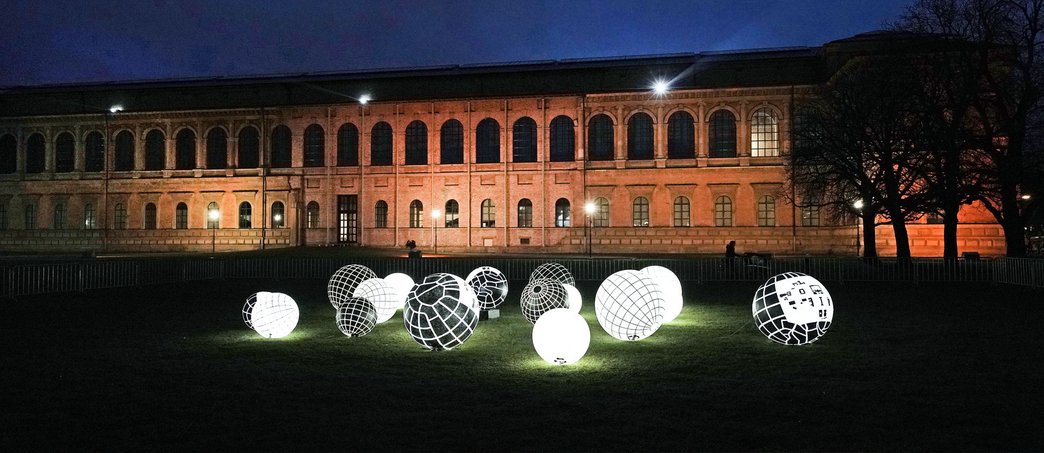
Light show in the heart of Schwabing
Munich Kunstareal offers a special open-air attraction. Munich artist Betty Mü and her team play with light and video installations.
Biology
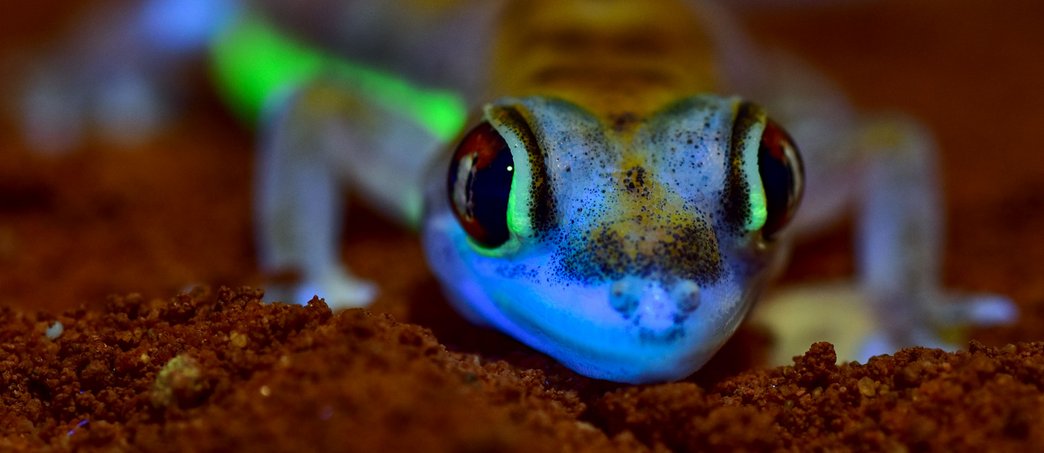
A Green Glow in the Moonlit Desert
Munich-based zoologists have discovered an unusual form of biofluorescence in the African web-footed gecko Pachydactylus rangei.
art and culture
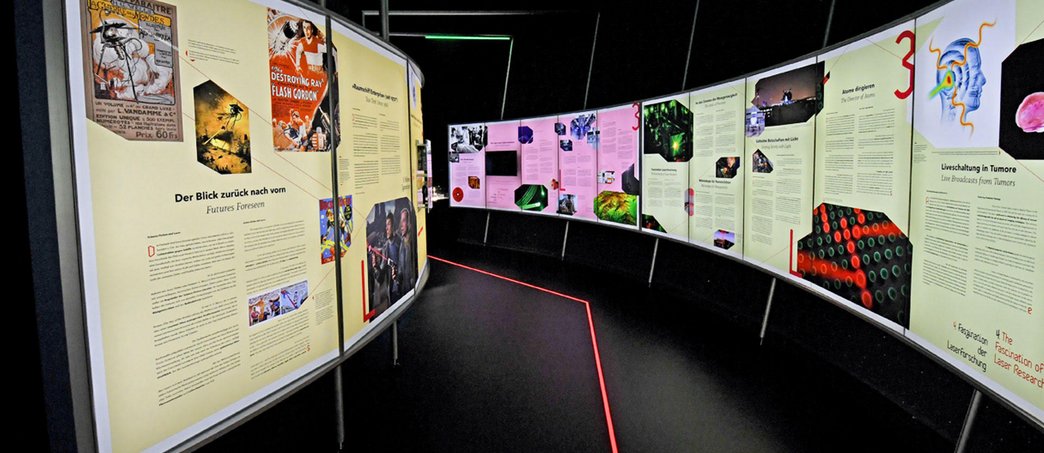
"Lasers | Light | Life": Mission accomplished!
Since January 2019, well over 50,000 visitors have had the opportunity to view our exhibition "Lasers | Light | Life" at the ESO Supernova Planetarium & Visitor Centre. Even though in 2020 the Covid-19 measures led to temporary closures of the show, as well as that the celebration of the 60th anniversary of the laser in May 2020 could only be celebrated virtually, we look back on a very successful project. The exhibition has now been dismantled.
Cosmology
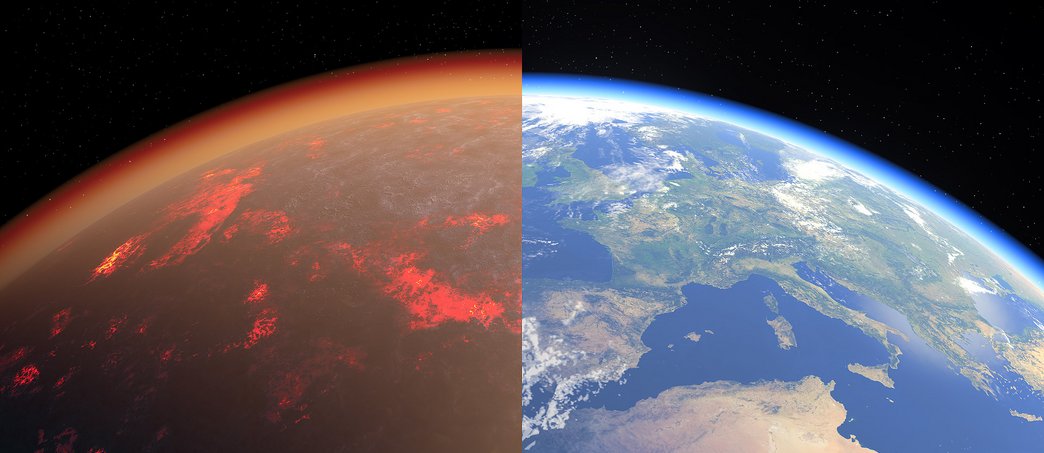
Early Earth Explored with Laser
With the help of a laser, a team led by Paolo Sossi from the Swiss Federal Institute of Zurich has uncovered new findings about Earth’s atmosphere 4,5 billion years ago. The results allow conclusions about the origins of life.
art and culture
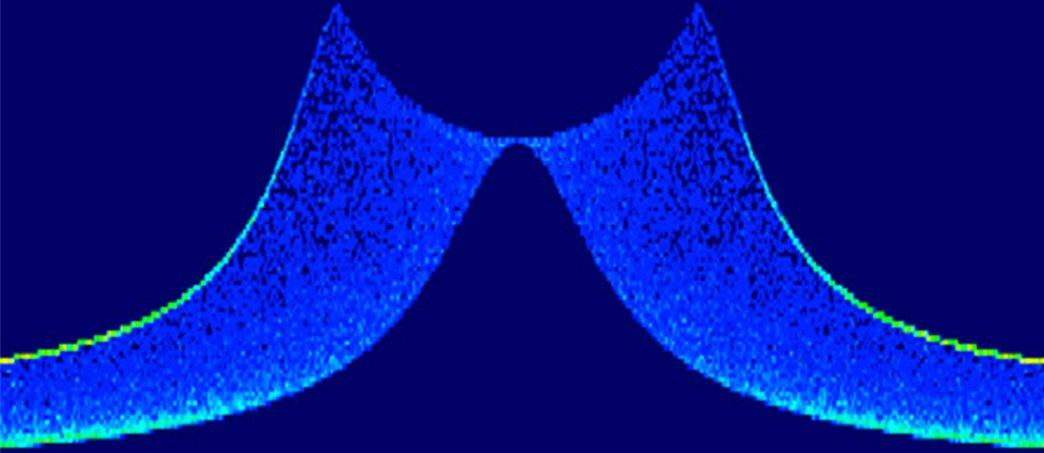
Mandalas of Laser Research
The gaze into the stars is as old as mankind. Early on, people tried to interpret formations of stars as constellations, to name them after figures from mythology or to read the signs of the zodiac into them. But also the view into the subatomic area, which in the sum only makes up the whole, is fascinating and has become possible thanks to laser research. Let's look like young stargazers at images from the nanocosmos beyond the factual from a purely aesthetic and creative point of view. Science can become art here.
Physics
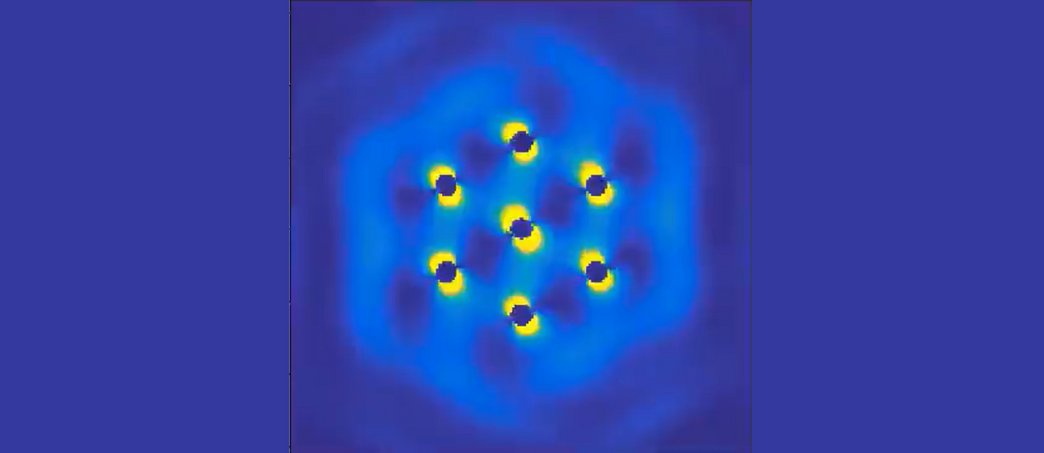
Nano-Constructor and Engine
Researchers led by Norbert Scherer from the University of Chicago have developed a nano-machine that is constructed and operated by laser light. The engineers placed silver nanoparticles in water and directed a laser beam at the particles. From the nanoparticles, the light independently constructed a gear and set it in motion.
Cosmology
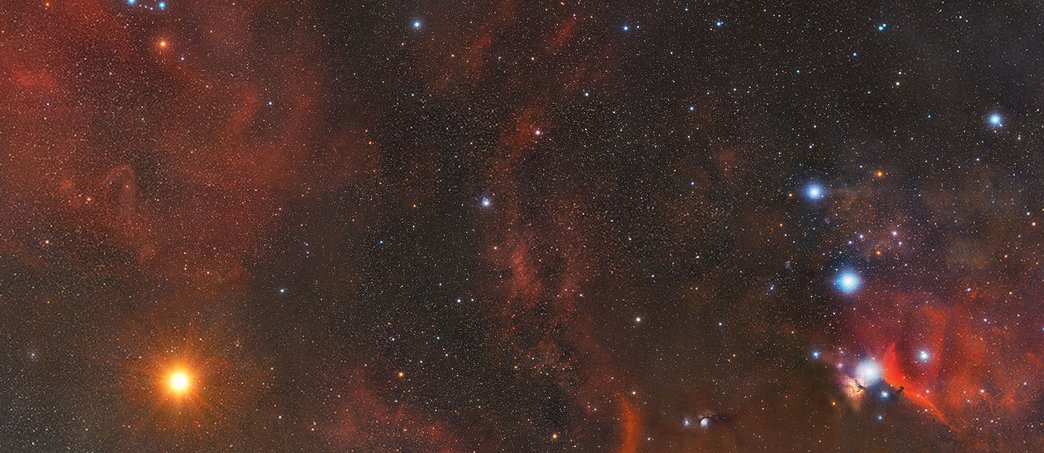
A 2.5 Gigapixel Splendor
Der Astrofotograf Matt Harbison hat das wohl detailreichste Bild des Orion-Sternbildes aus mehr als 2500 Einzelbildern geschaffen.
Physics
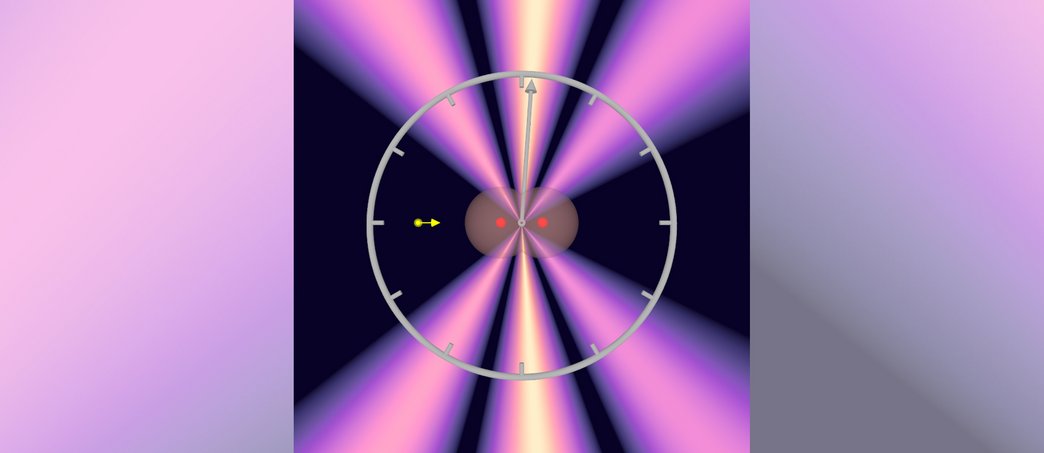
New World Record in Short Time Measurement
art and culture
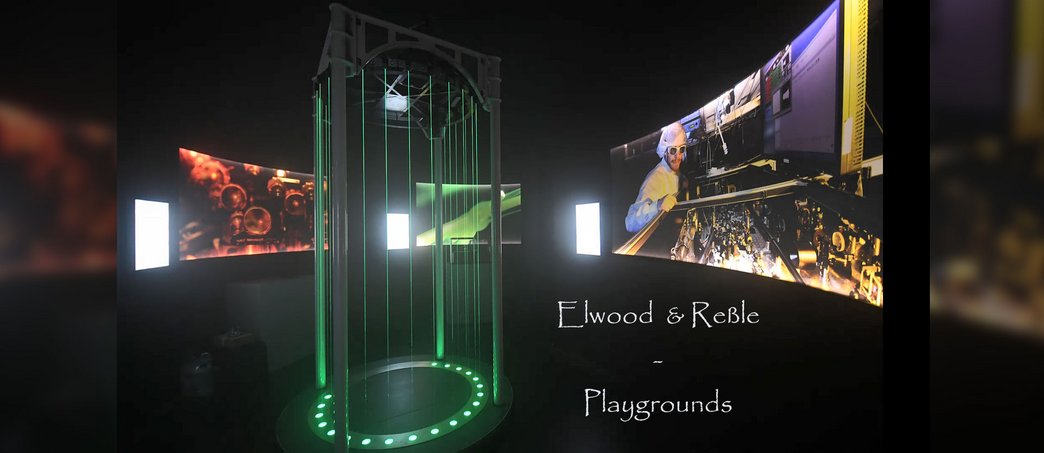
Playgrounds - A Song for Laser Harp
The Munich music duo "Elwood & Reßle" has recorded a song especially for the laser harp of our exhibition "Lasers | Light | Life". Inspired by this extraordinary instrument and its "strings" of coherent light, they created "Playgrounds", a sensitive song that deals with fateful turns and the longing for playing and free space. Therefore it fits very well to the present situation.
Biology
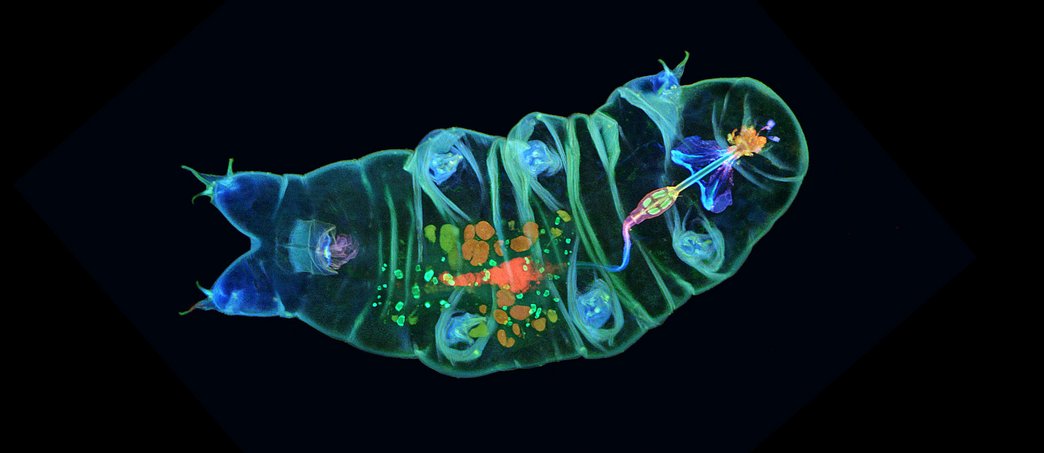
The Internal Anatomy of a Water Bear
Using a range of fluorescent markers, cell biologist Tagide deCarvalho gives a fascinating view of the insides of a tardigrade or water bear. But even this image does not solve all of the mysteries that surround these enigmatic organisms.
art and culture

Germany in a magical light
In his new book “Landschaftsfotografie in Deutschland”¸ photographer Heinz Wohner provides tips and suggestions on where to find the most attractive landscapes in Germany and how best to capture their particular magic.
Technology
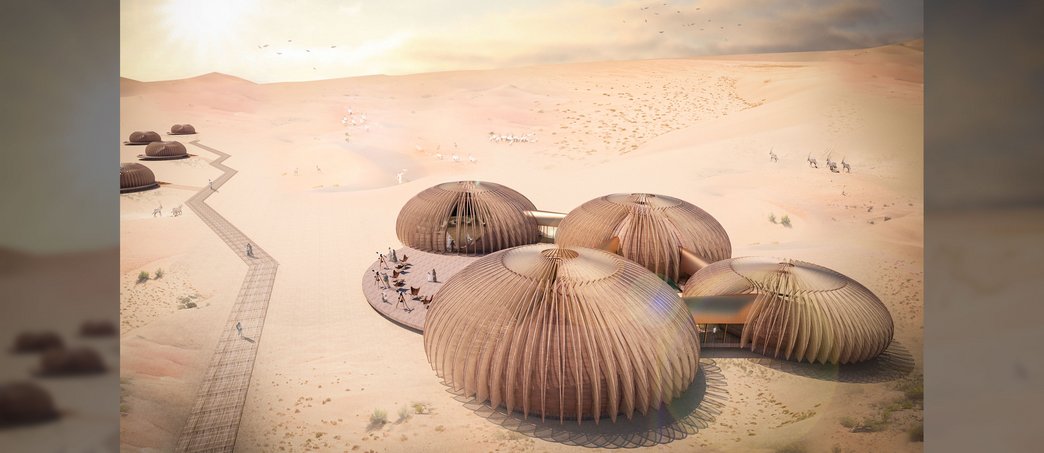
Chill-out in the OCULUS
The Mexican architectural design firm AIDA STUDIO has constructed a hotel in Abu Dhabi which offers visitors a stylish and spectacular lifestyle in the middle of one of the most climatically extreme settings on Earth.
Technology
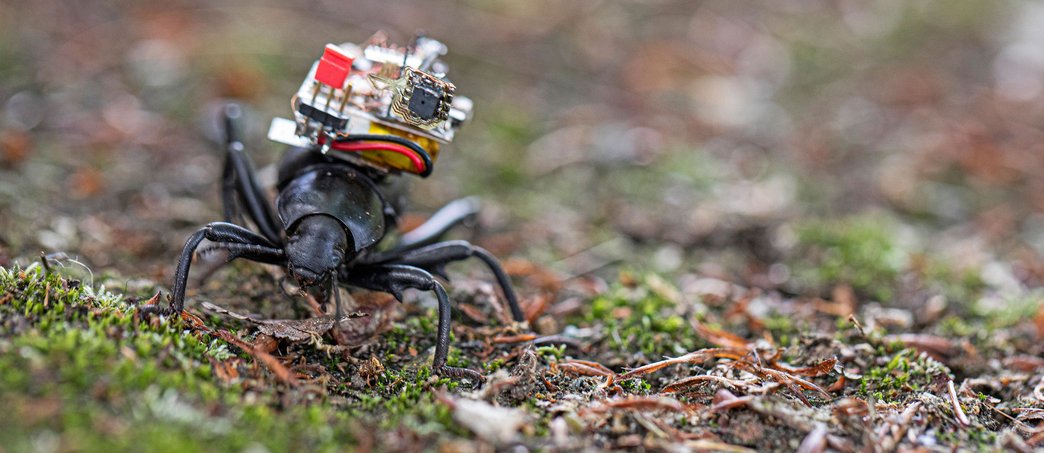
Journeys on Beetleback
Researchers at the University of Washington in Seattle have provided access to a novel view of the world. They have constructed a miniature camera, which can be mounted on the backs of large insects.
Physics
We are open again!
After the five-month closure of the ESO Supernova Planetarium & Visitor Centre on the Garching research campus due to Covid-19, we are pleased to announce that our exhibition Lasers | Light | Life (on the occasion of the 60th anniversary of the development of the laser) will be reopened on 5th August and extended until 1st November 2020! You, your family and friends will now have the opportunity again to learn about the fascinating world of laser technology and research.
Biology
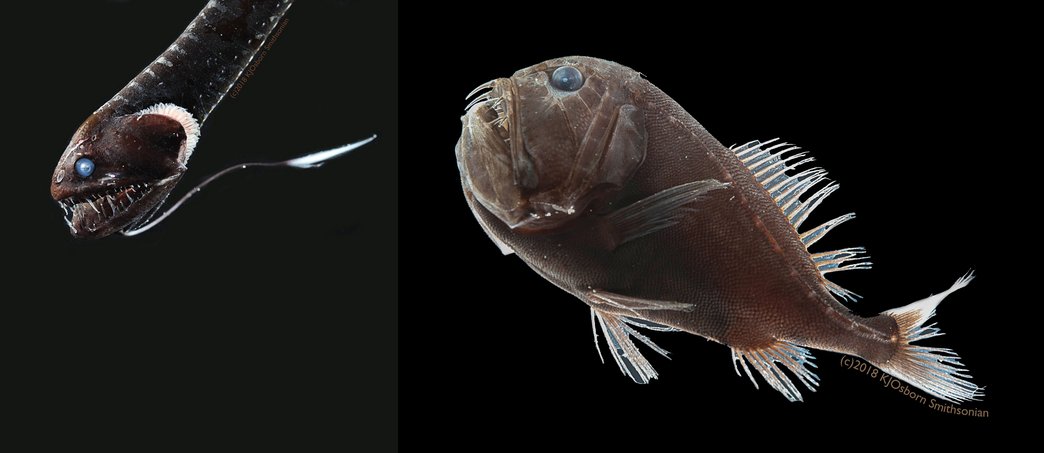
In darkness deep
Even when they are illuminated, some species of deep-sea fish remain essentially invisible to potential predators. This makes life more difficult for their would-be foes – and for photographers, who must dig deep into their box of tricks to image them.
Physics
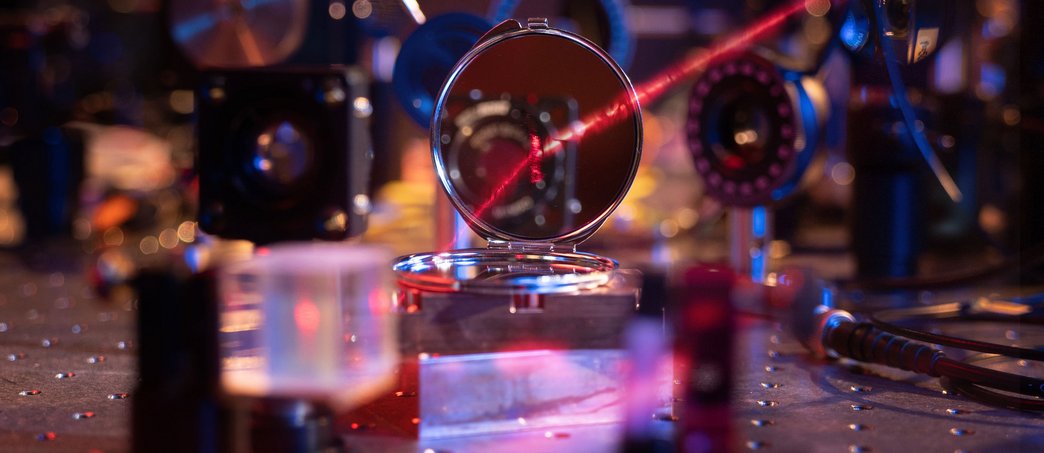
The world´s lightest mirror
Physicists at the Max Planck Institute of Quantum Optics (MPQ) have engineered the lightest optical mirror imaginable. The novel metamaterial is made of a single structured layer that consists only of a few hundred identical atoms. The atoms are arranged in the two dimensional array of an optical lattice formed by interfering laser beams. The research results are the first experimental observations of their kind in an only recently emerging new field of subwavelength quantum optics with ordered atoms. So far, the mirror is the only one of its kind. The results are published today in Nature.
Physics
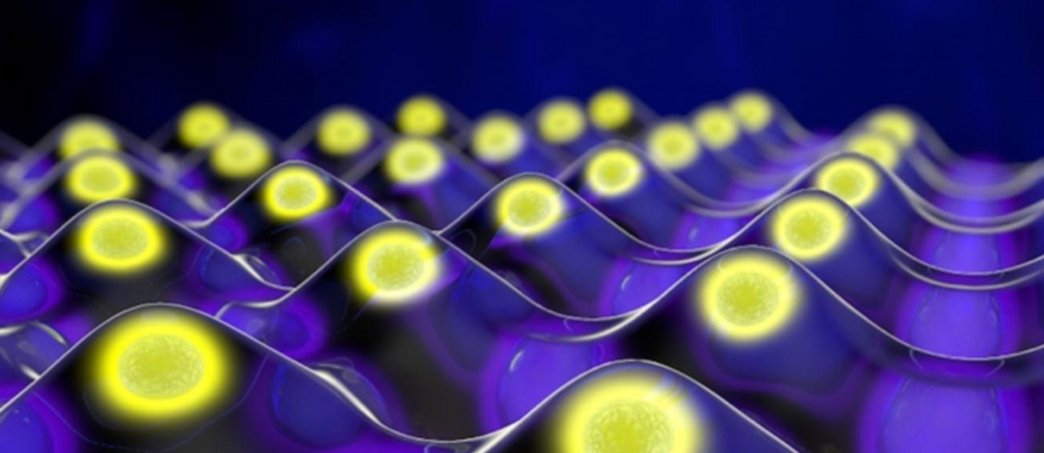
A ‘Picoscope’ for Elementary Particles
A research team led by laser physicist Eleftherios Goulielmakis at Rostock University has developed a new technology, which makes it possible to image free electrons in crystalline materials.
Cosmology
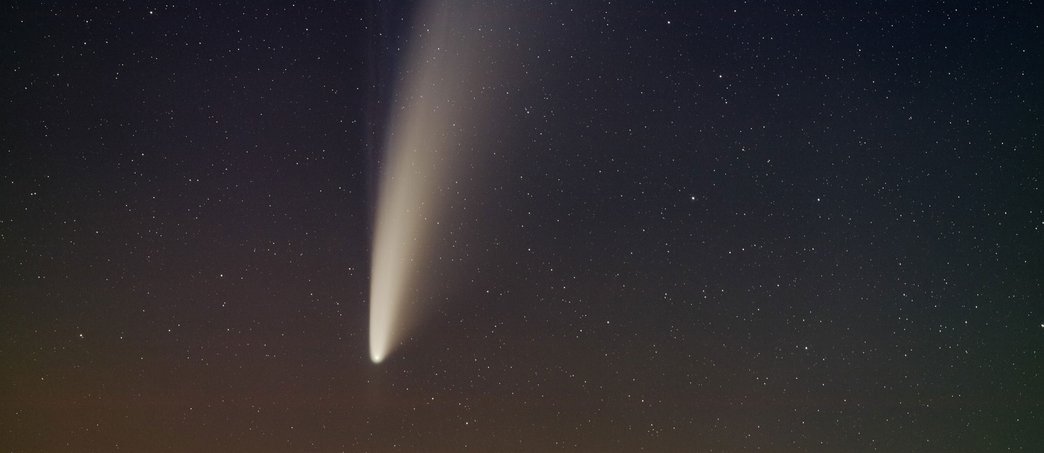
Spectacular Show for Stargazers
The comet Neowise is paying a short visit to our celestial neighborhood over the next fortnight or so. It’s a rare opportunity for watchers of the skies. Neowise won’t be back for around 7000 years.
Technology

Wormholes and Einstein
The laser was invented 60 years ago, which sounds like an eternity to me. I can’t remember that far back, because I wasn’t born yet and nor were my parents. But I work with lasers every day, all day long, so I know almost everything about that time. Well, “everything” books and biographies and articles. I would have loved to have been a lab assistant there in 1960 when American physicist Theodore Maiman demonstrated the first operable laser. He saw with his own eyes that the light beam behaved in exactly the same way that Albert Einstein had described in his theory of stimulated emission more than 40 years earlier!
Medical technology
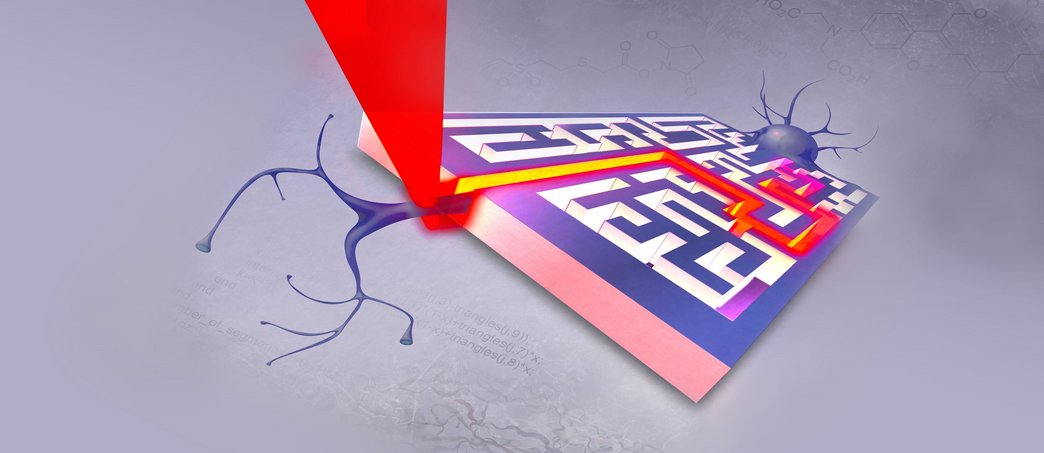
Signposts for Neurons
Navigating in unfamiliar territory at night is a lot easier if one has a flashlight to hand. Scientists led by Marcy Zenobi-Wong, Professor of Tissue Technology and Biofabrication in the Department of Health Science and Technology at the ETH Zürich have now applied this insight to control the trajectories of growing nerve cells. The team used laser light to deposit ‘morphogens’ within a hydrogel. Morphogens are signaling molecules that determine the direction of cell growth in a concentration-dependent manner, so the new method allows one to regulate the spatial pattern of cell and tissue growth. This approach will further our understanding of developmental processes in multicellular organisms, and has implications for novel therapeutic applications.
Physics
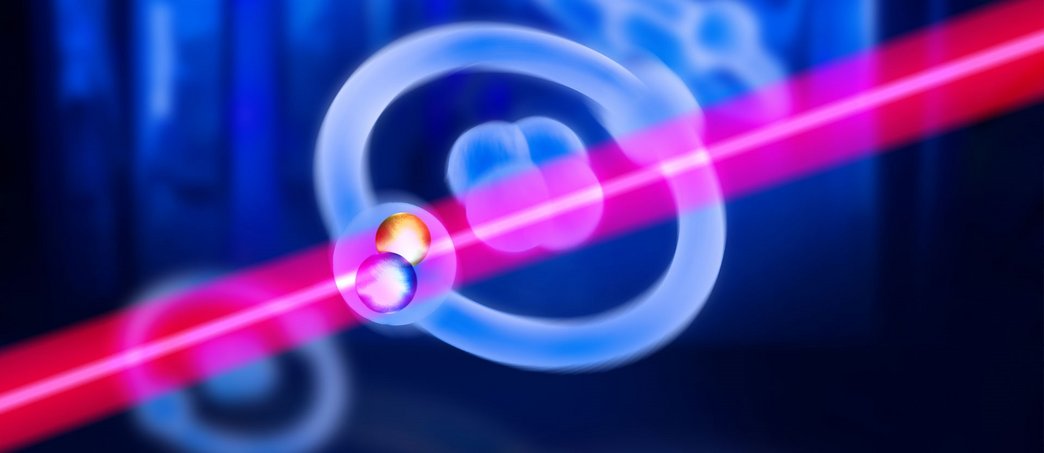
Long-lived pionic helium
Exotic atoms, in which electrons are replaced by other subatomic particles of the same charge, allow deep insights into the quantum world. After eight years of ongoing research, a group led by Masaki Hori who is a senior physicist at the Max Planck Institute of Quantum Optics in Garching, Germany, now succeeded in a challenging experiment: in a helium atom they replaced an electron with a pion in a specific quantum state and verified the existence of this long-lived “pionic helium” for the very first time. The usually short-lived pion could thereby live a thousand times longer than it normally would in other varieties of matter. Pions belong to an important family of particles that determine the stability and decay of atomic nuclei. The pionic helium atom now enables scientists to study pions in an extremely precise manner with the means of laser spectroscopy. The research is published in this week’s edition of Nature.
Physics
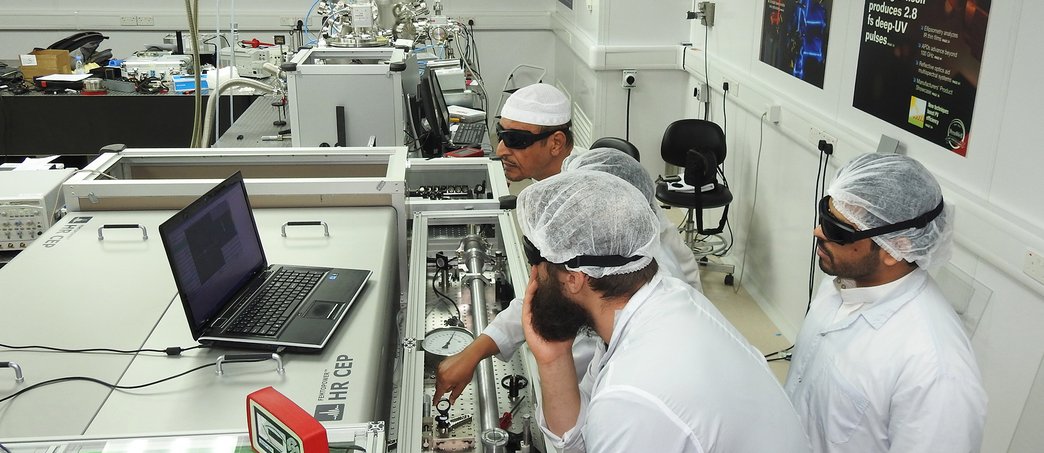
Quantum Brakes in Molecules
Physicists of the Laboratory for Attosecond Physics have measured the flight times of electrons in molecules after their creation with light. The small quantum particles were emitted from a specific atom within the molecules, which enabled to measure the molecular influence on their emission time. The results open new opportunities to study the forces that are holding molecules together in better detail.
Technology
Breathtaking Exposure Times!
The High-Speed Camera in the Photon Lab – the student laboratory at the Max Planck Institute for Quantum Optics – is a pretty nimble instrument. It can take pictures at rates of up to 11,000 per second!
Technology
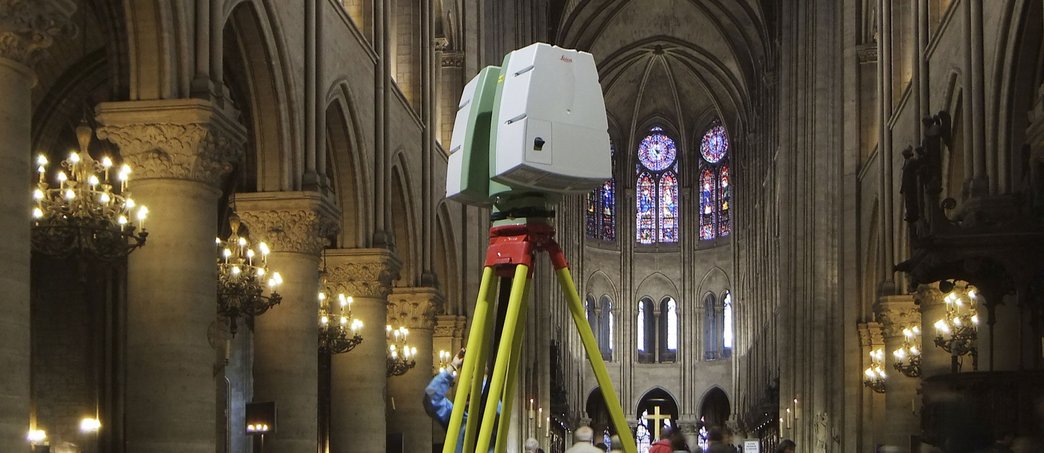
Lasers Come to the Aid of World Heritage Sites
Laser-based scanning technologies enable art restorers and architects to create highly detailed 3-D models of artworks and whole buildings. To cite just one prominent example, specialists have used laser scanners to map Notre Dame Cathedral in Paris in three dimensions. The maps will serve as guides for the reconstruction of the building, which was badly damaged by fire in 2019. Refinements continue to extend the versatility of the technique, as a company based in Wangen im Allgäu has repeatedly demonstrated.
Biotechnology
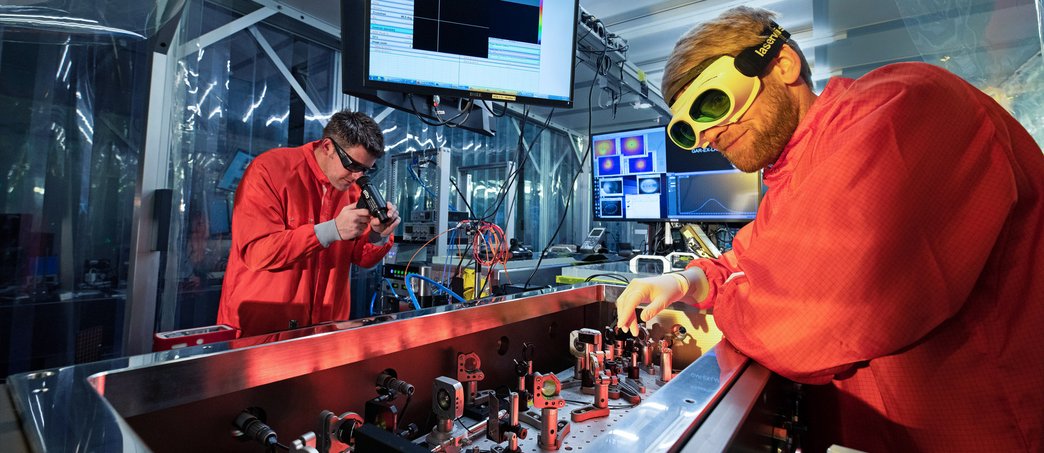
No hiding place now
Scientists at the Laboratory for Attosecond Physics have developed a unique laser technology for the analysis of the molecular composition of biological samples. Could a combination of laser sciences and molecular detection be cracking the limits of molecular sensing?
Biology
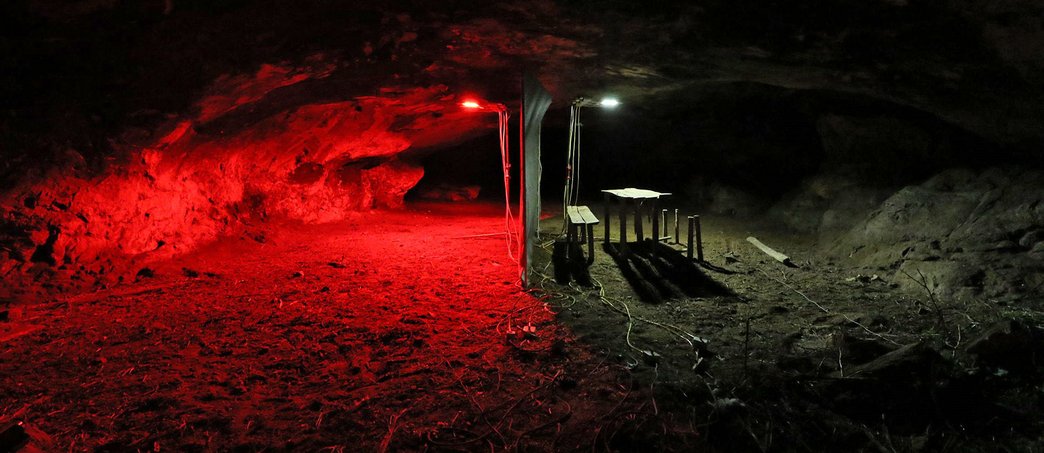
Illumination drives bats out of caves
Researchers from the Leibniz Institute for Zoo and Wildlife Research (Leibniz-IZW) and the Max Planck Institute for Ornithology (MPIO) have investigated how the lighting of bat caves affects the behaviour of the animals and whether the colour of the light plays a role in this. Although red light irritates the small mammals a little less than white light, researchers believe that neither the entrance nor the interior of bat quarters should be illuminated.
Physics
A One-Way Street for Light
Light can be directed in different directions, usually also back the same way. Physicists from the University of Bonn and the University of Cologne have however succeeded in creating a new one-way street for light. They cool photons down to a Bose-Einstein condensate, which causes the light to collect in optical “valleys” from which it can no longer return. The findings from basic research could also be of interest for the quantum communication of the future. The renowned journal "Science" now presents the results.
Cosmology
Rekord-Gammastrahlenblitz aus den Tiefen des Weltraums
Astronomen haben einen Gammastrahlenblitz mit einer bislang noch nie gemessenen Energie beobachtet. Er stammt aus einer fünf Milliarden Lichtjahre entfernten Galaxie. Daran beteiligt waren auch Wissenschaftler der Uni Würzburg.
Medical technology
“Say Goodbye to Toothache, Kids!”
US company Access Laser is hoping to revolutionize dentistry with its DL-500 dental laser. Engineer Mike Adams explains why we won't have to be afraid of going to the dentist any more if this revolution takes hold.
Technology
History of Light
For a long time, the Sun was the only light source that the human race had. Then, around 300,000 years ago, prehistoric man discovered fire as a source of heat and light. But the age of electric lighting only really began in 1879 – the year in which Thomas Alvar Edison "re-invented" the incandescent lamp. Today, every second outdoor luminaire and more than 30 percent of indoor luminaires are equipped with LED modules. Light has become increasingly dynamic.
Physics
Extension of the exhibition Lasers | Light | Life until 31st May 2020
Since 9th of January 2019, 45,000 visitors have visited the exhibition Lasers | Light | Life. From Science Fiction to HighTech- Photonics at the ESO Supernova on the campus in Garching near Munich. On the occasion of the 60th anniversary of the invention of the laser and due to the still high popularity, it will now be extended until the end of May 2020.
Physics
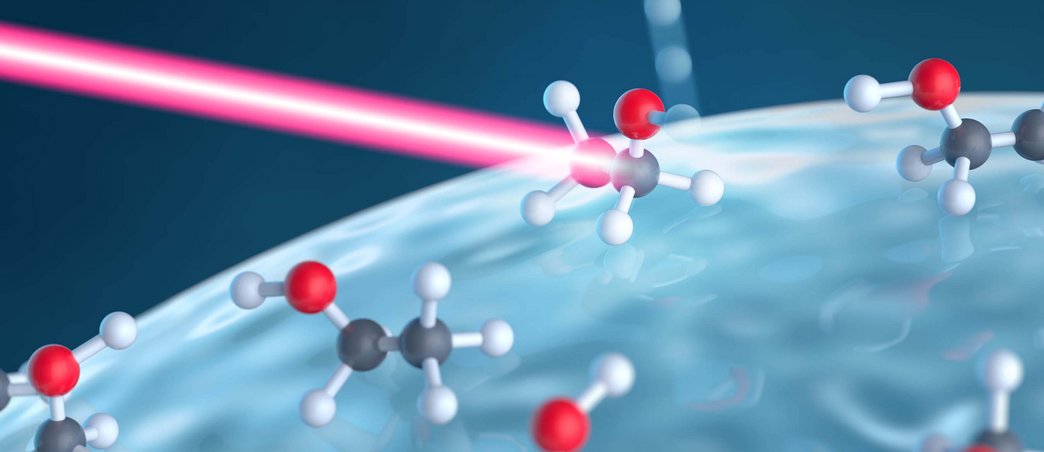
An Ultrafast Glimpse of the Photochemistry of the Atmosphere
Members of the Laboratory for Attosecond Physics have explored the initial consequences of the interaction of light with molecules on the surface of nanoscopic aerosols.
Physics
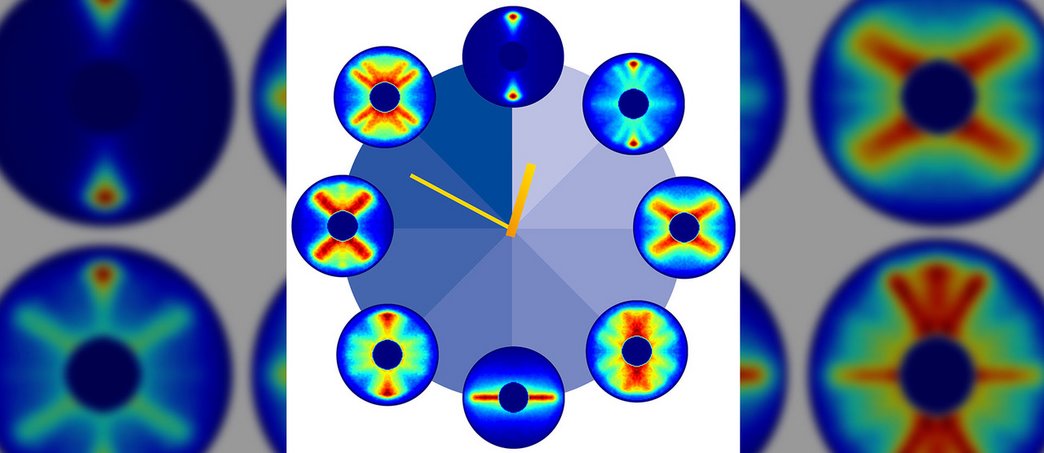
Scientists Film Molecular Rotation
Scientists have used precisely tuned pulses of laser light to film the ultrafast rotation of a molecule. The resulting “molecular movie” tracks one and a half revolutions of carbonyl sulphide (OCS) – a rod-shaped molecule consisting of one oxygen, one carbon and one sulphur atom – taking place within 125 trillionths of a second, at a high temporal and spatial resolution. The team headed by DESY’s Jochen Küpper from the Center for Free-Electron Laser Science (CFEL) and Arnaud Rouzée from the Max Born Institute in Berlin are presenting their findings in the journal Nature Communications. CFEL is a cooperation of DESY, the Max Planck Society and Universität Hamburg.
Medical technology
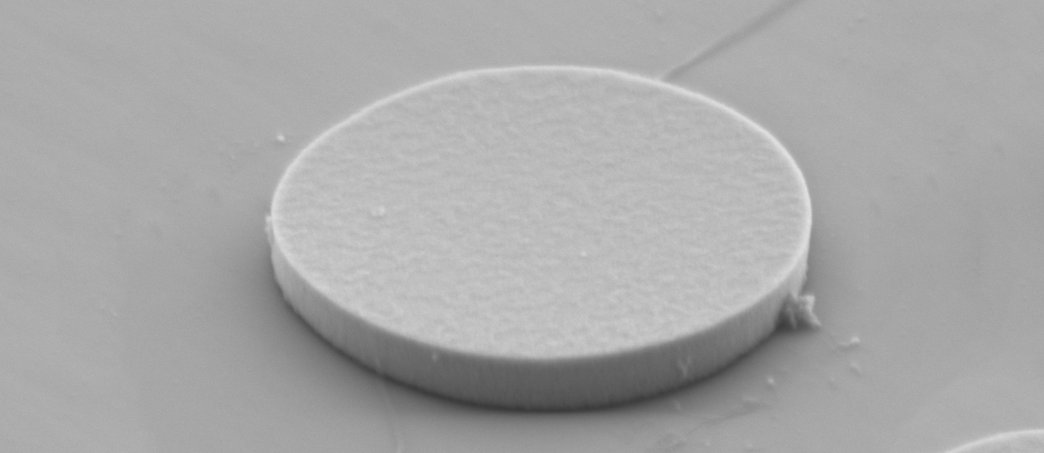
Microlasers as Cell Identifiers
Researchers at Harvard Medical School have introduced tiny lasing microparticles into living cells. On excitation with infrared light, each laser emits light of a single wavelength, allowing the team to track the cells individually.
Technology
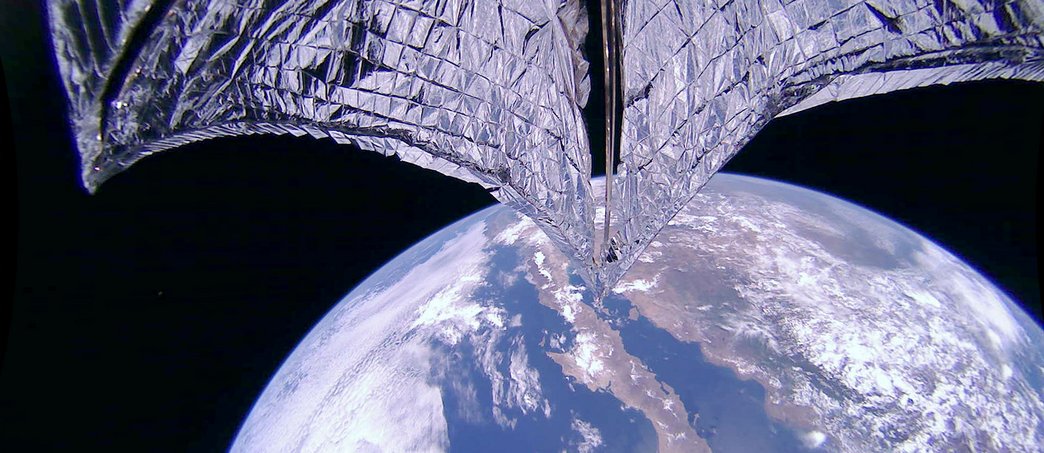
Orbiting the Earth on a Sunbeam
The Planetary Society, an American non-profit organization, has sent a satellite into space, which is the first such craft to be powered by the pressure of solar light quanta alone.
Science Fiction
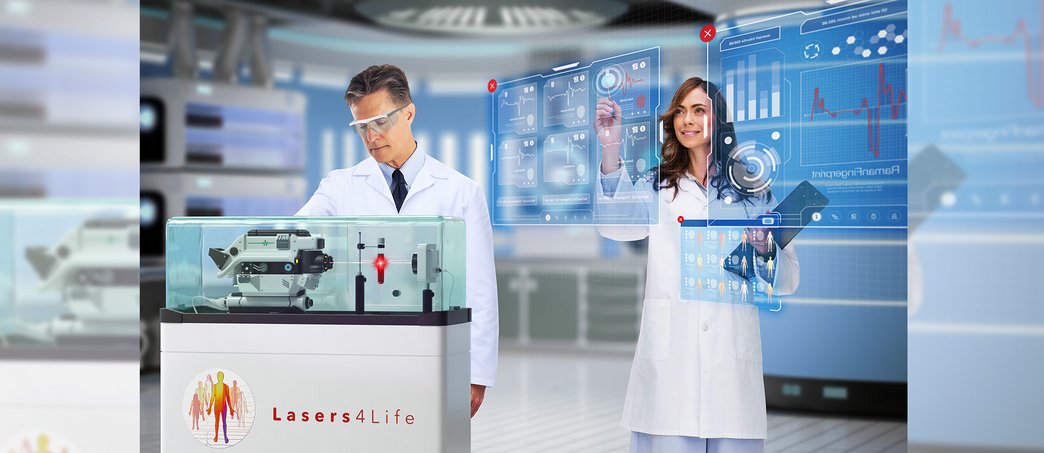
From Science Fiction to High-Tech Photonics
When Theodore Maiman unveiled the first functional laser on July 7, 1960 in New York, he had very little idea of the range of applications that such high-intensity beams of tightly collimated light would one day find. Today it is impossible to imagine today’s world without the laser. Lasers are now ubiquitous in consumer electronics, telecommunications, measuring devices, in industry, medicine and research. They have also become an indispensable tool in space research. And there is no sign that the laser will run out of useful things to do. Indeed, specialists believe that the 21st century is set to be the century of the photon, the smallest unit of light.
Physics
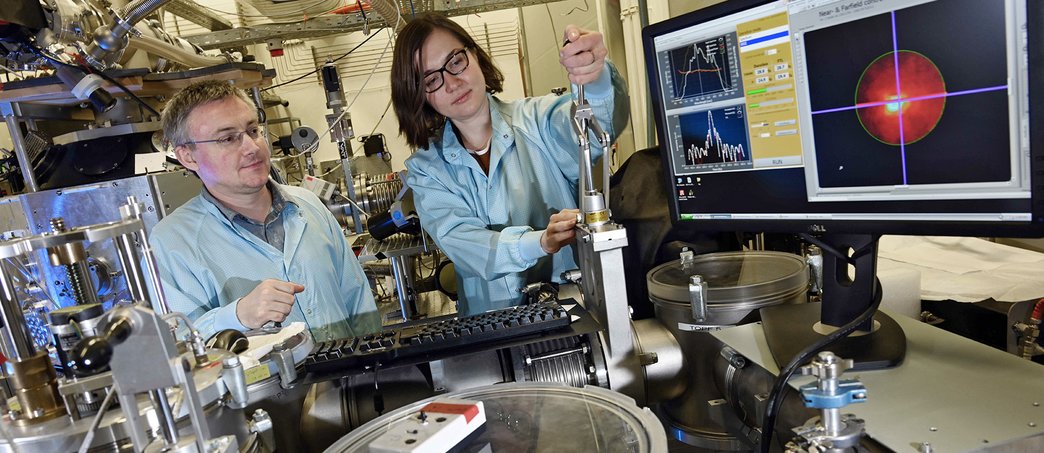
As hot as the Sun’s interior
Physicists create plasma for the first time using nanowires and long-wavelength ultrashort pulse laser.
Biology
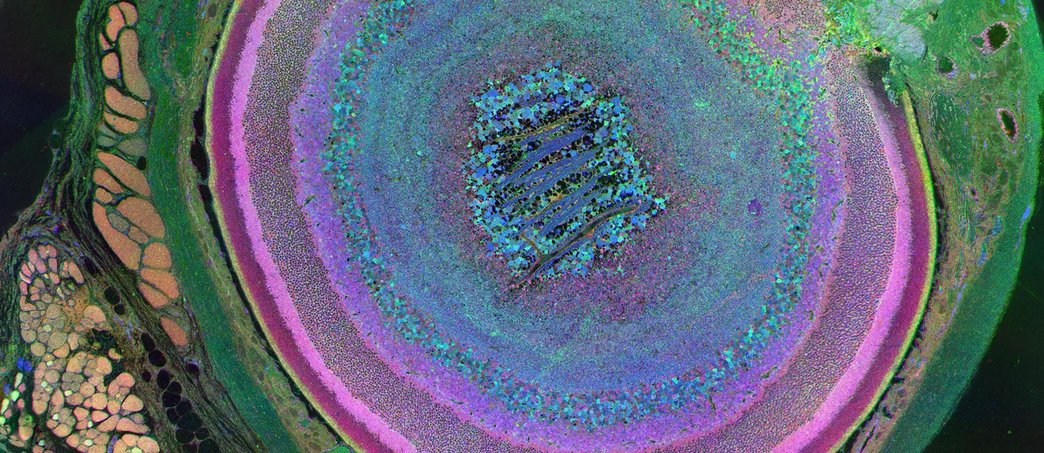
A Technical Masterpiece
Our eyes are technical masterpieces. Exactly how delicately the eyes of mammals are actually constructed is something that Bryan William Jones and Robert E. Marc from the National Institute of General Medical Sciences at the University of Utah have been able to impressively illustrate. The eye of a mammal is in fact made up of more than 70 different types of cells. After photographing the eye of a mouse, the two researchers used different colors to highlight the distinct cellular structures, with each color used to denote a particular type of cell. On the left side of the picture, it’s possible to see the peach-colored cells of the eye muscles and in the center of the eye the retinal cells form a ring-shaped pattern.
Physics
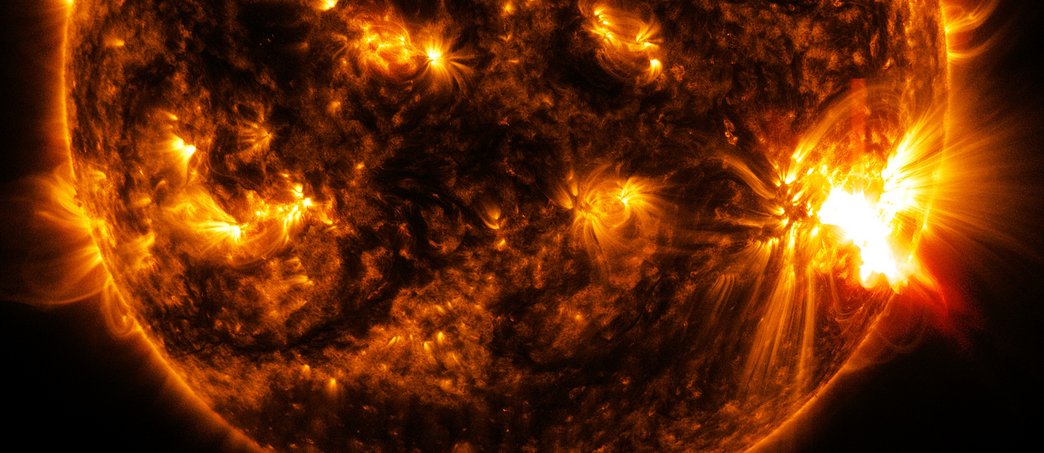
Chasing ‘Tornadoes’ on the Sun’s Surface
Solar flares are sudden, explosive releases of energy on the Sun’s surface. How exactly they occur is still not completely known. For the first time however, researchers at the National Center for Atmospheric Research (NCAR) in Colorado and Lockheed Martin Solar Astrophysics Laboratory (LMSAL) in California have produced a computer simulation of a solar flare’s entire lifecycle. Their hope is that it will further illuminate this stellar phenomenon.
Technology
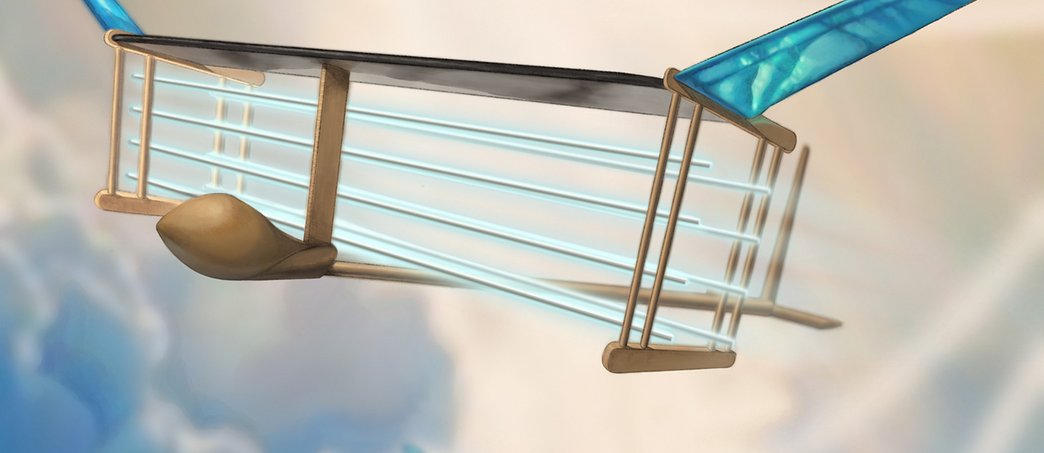
Borne along by an ionic wind
It seems magical: an airplane that flies without using any movable parts, such as turbines or propellers — and does so almost silently. The power comes from charged particles, called ions, in the air. Scientists at the Massachusetts Institute of Technology (MIT) have now demonstrated that such an ‘ionocraft’ really flies. In doing so, they may have inaugurated a new era of flight.
Medical technology
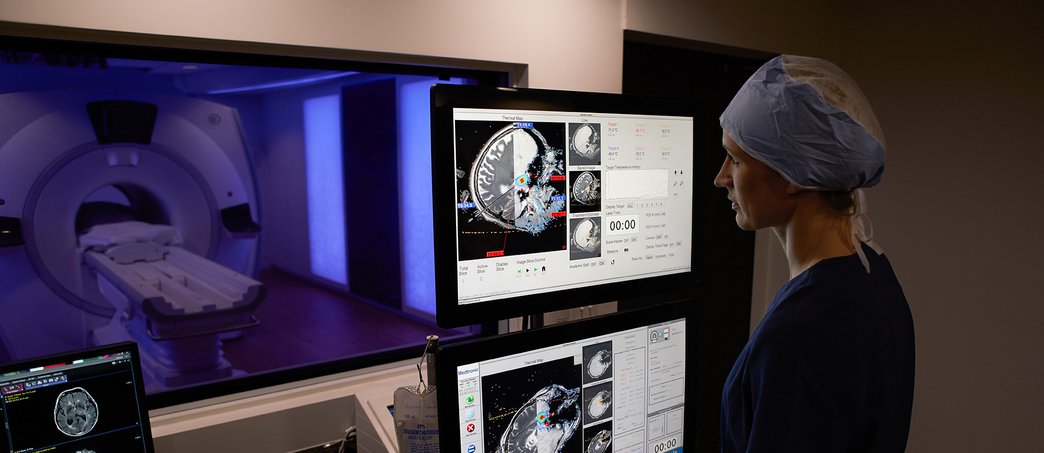
“Scalpel, … laser!”
Brain surgery is invasive and risky. But a new technique makes it possible to eliminate tumor tissue in a highly precise and gentle fashion. The key: laser light. Surgeons at the University Hospital in Zurich are among the first in Europe to apply this technique.
Technology
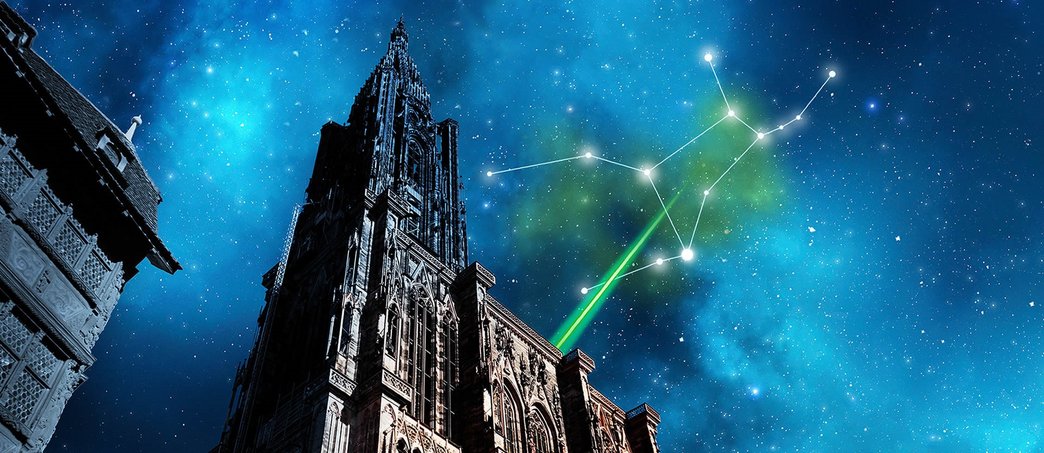
The Green Sunbeam
The designers of Europe’s great cathedrals were masters of their craft. An example of their eye for detail can be seen in Strasbourg Cathedral on two occasions each year, when a green beam briefly lights up a prominent sculpture of Christ.
Technology
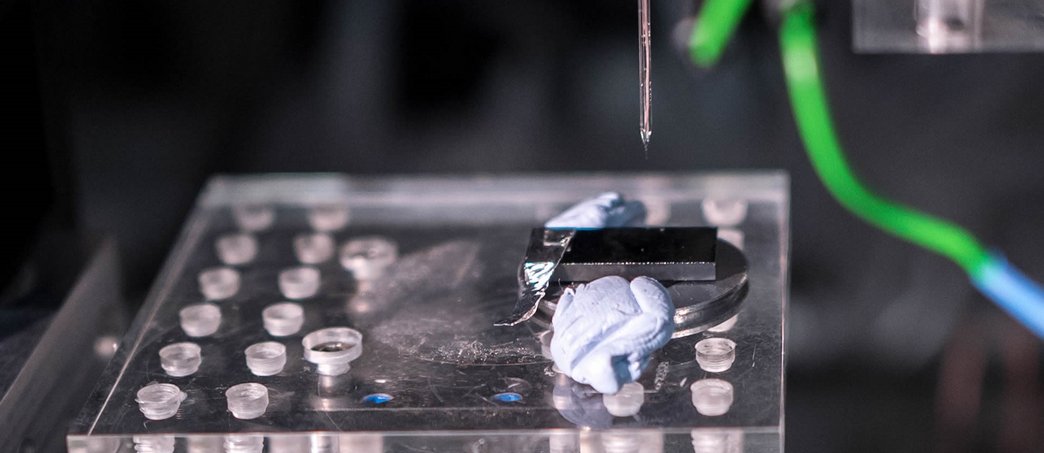
Bacteria as a Source of Electricity
A German-Israeli research team has developed a light-driven system for the generation of electricity in which the electrodes are coated with cyanobacteria. The truly novel feature of the new system is that no supplementary molecules are required for electron transport. The bacterial cells supply all the constituents required to complete the circuit.
Technology
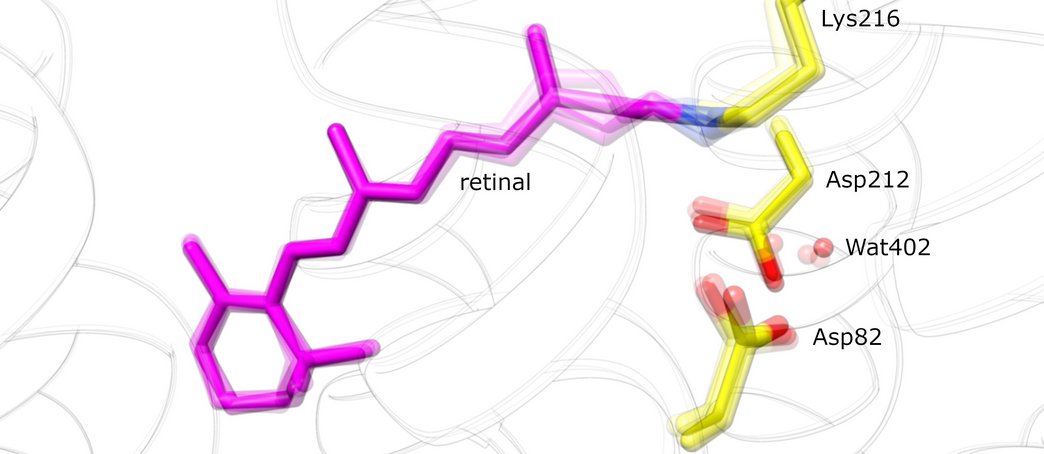
Ultrafast molecular gymnastics
We owe our ability to see to the molecule retinal. In the human retina, a light-activated alteration in the structure of retinal triggers the neuronal reaction that is the basis of the visual sense. Bacteria also make use of the reaction to transport protons or ions across the cell membrane, which allows light energy to be stored and later consumed as a biological fuel. In all these cases, the retinal molecule is bound to a specific protein that plays a central role in modulating its response to light, which occurs within 500 femtoseconds. This is one of the fastest reactions in biology (1 fs is equivalent to a millionth of a billionth of a second). Researchers at the Paul Scherrer Institute (PSI) have now taken snapshots of what happens in this minuscule interval. “No one has previously measured the light-activated response of a retinal-binding protein with such precision,” says Jörg Standfuss, Leader of the Time-Resolved Crystallography Group in the Division of Biology and Chemistry at the PSI.
Technology
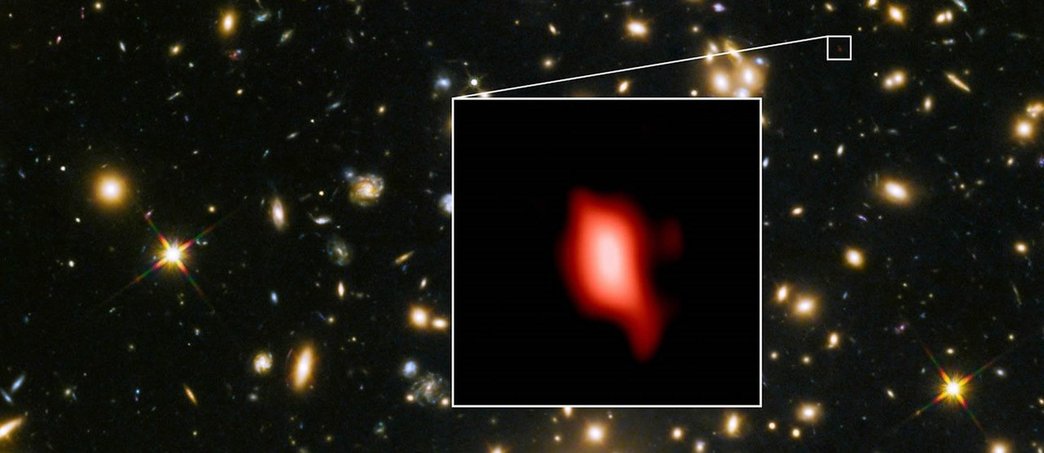
The First Stars
Astronomers have used the Atacama Large Millimeter/Submillimeter Array (ALMA) located in Argentina and the Very Large Telescope (VLT) at the European Southern Observatory in Chile to observe the galaxy MACS1149-JD1. They detected weak infrared emission characteristic of ionized oxygen. On its way to Earth, the wavelength of the radiation was stretched by a factor of more than 10, due to the ongoing expansion of the Universe. The magnitude of this redshift reveals that the signal left its source galaxy some 13.3 billion years ago, only 500 million years after the Big Bang. This makes MACS1149-JD1 the most distant stellar source of oxygen yet discovered. Moreover, the evidence for oxygen in its emission spectrum implies that the earliest stars in this galaxy must be significantly older still.
Technology
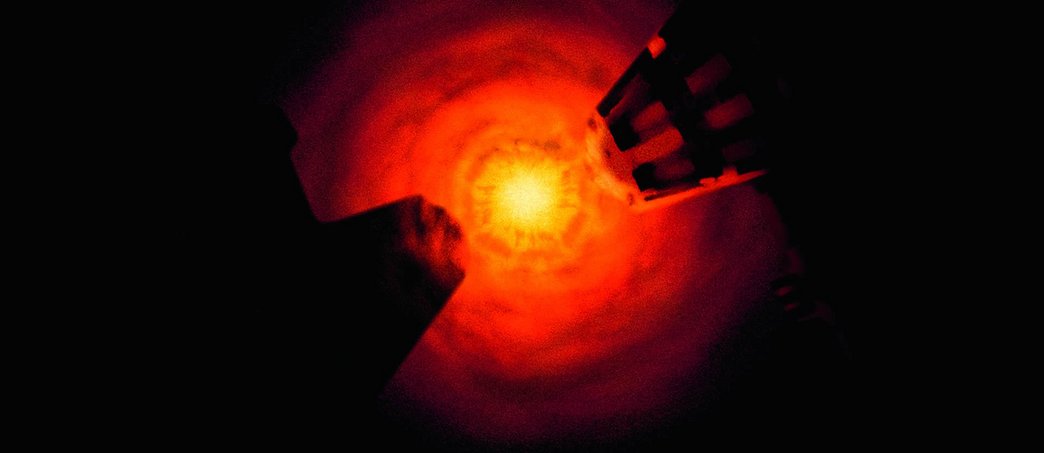
Here comes the sun
HOW THE LASER CAN SOLVE OUR ENERGY PROBLEMS — AND WHY WE CAN LOOK FORWARD TO WARP DRIVES OFFERING FASTER-THAN-LIGHT TRAVEL.
Physics
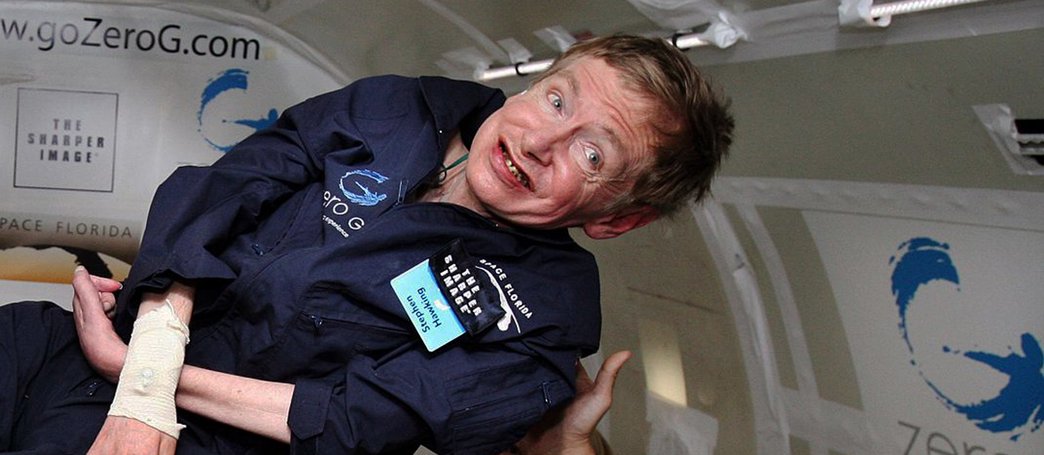
“Be curious!”
He was the most famous scientist of our time. Stephen Hawking‘s fame can only be compared to that of the superstars of popular music and sports. On March 14th, the world’s best known cosmologist died in Cambridge at the age of 76.
Technology
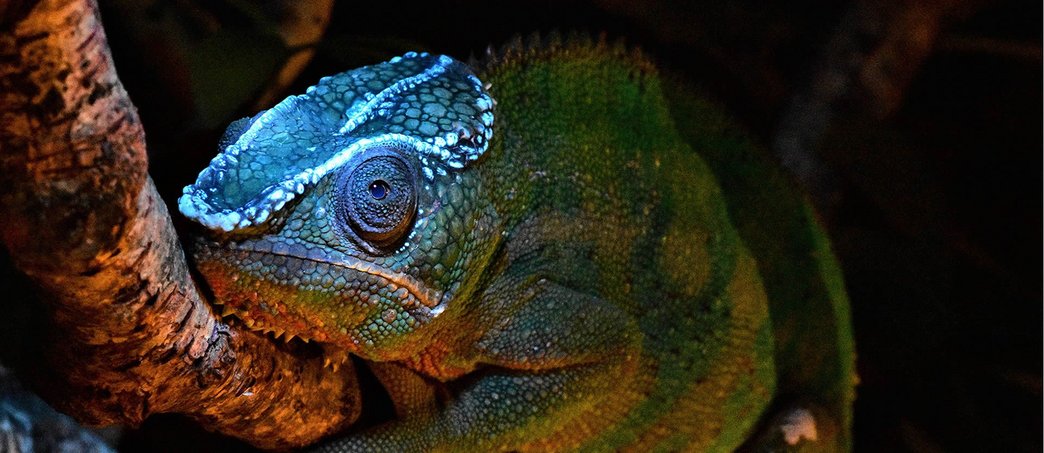
Luminescent lizards
Technology

Super sensitive
How superman’s super-senses allowed engineers’ imaginations to take flight — and why Lois Lane can handle more than any laser processing head.
Technology
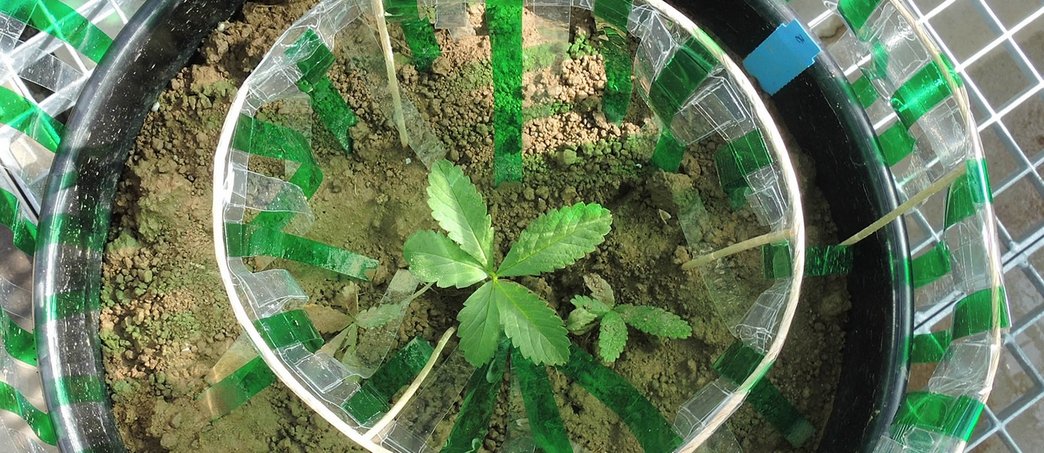
Plants make strategic decisions
A new study carried out by botanists at Tübingen University shows that plants are able to evaluate the density and height of neighboring vegetation and modify their own growth habits accordingly.
Technology
Fiery Craters and Northern Lights
The Munich-based geologist, photographer and tour operator, Florian Becker, has fallen in love with the volcanically active regions/landscapes of the world. For over 20 years his travels have been leading him to active volcanoes like Stromboli, Vulcano and Mount Etna as well as to Iceland. To this day Florian Becker is as fascinated by the orangey red glow of the Stromboli lava flows on pitch black nights and by the northern lights in the deep Icelandic winters as he was when he was a young student with a developing passion for travel. On his website photonworld.de he explains what exactly it is about these special places that fascinate him and how he is able to capture the different qualities of light with his camera.
Technology
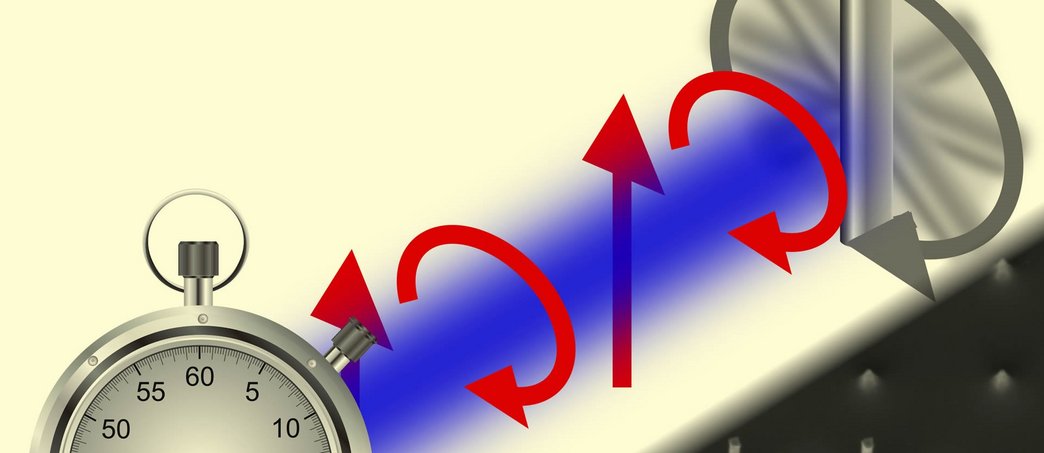
Keeping Time with Light
An international team of researchers based at the universities of Vienna, Duisburg-Essen and Tel Aviv have succeeded in using polarized laser light to rotate a nanorod in a controlled fashion, providing a stable micromechanical oscillator for an electronic timekeeper. With the aid of laser beams, the group led by Stefan Kuhn, James Millen and Markus Arndt of the University of Vienna trapped a silicon nanorad, less than one-thousandth of a millimeter long, in a vacuum. The two counter-propagating light beams effectively keep the rod in suspension, and a third laser is used to rotate the rod by means of pulses of polarized light. Since the rotation is locked to the pulse frequency, the rotation period is sufficiently stable to act as a high-precision clock. Over a period of 4 days, this clock loses no more than a millionth of a second.
Technology
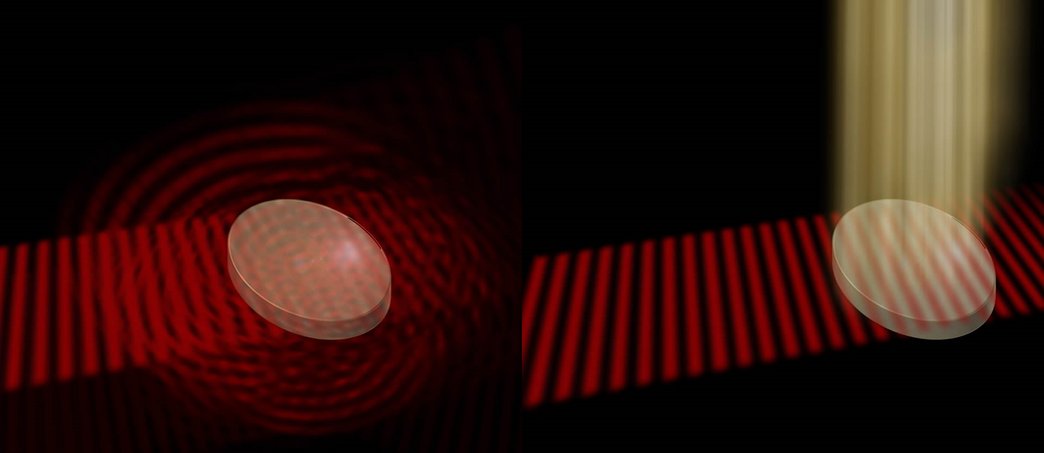
Hidden in a Web of Light
Researchers at the Technical University of Vienna have developed the theoretical basis for a cloaking technology which suggests that objects could be concealed from sight at the flick of a switch.
Technology
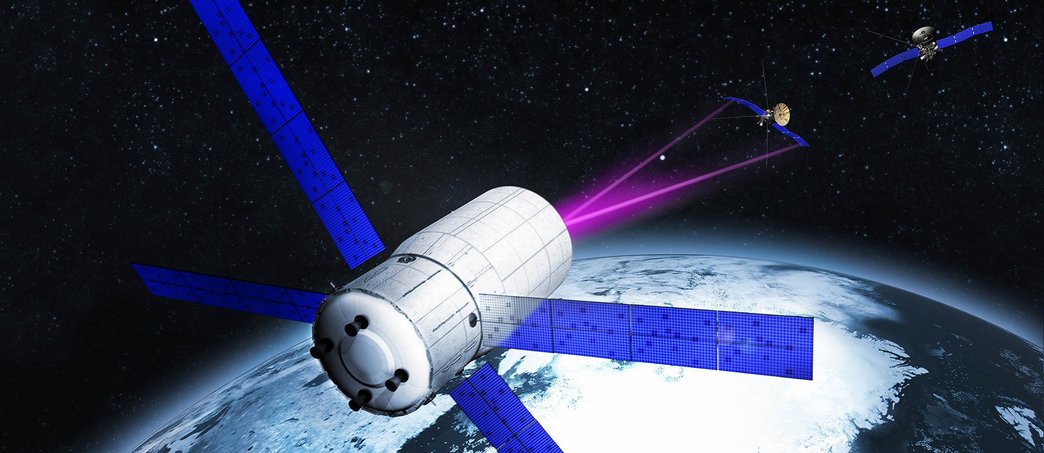
Laser-based Monitoring of Space Debris
In addition to interplanetary dust, space debris presents a significant threat to working satellites. A team at the Fraunhofer Institute for Applied Optics and Precision Engineering has developed a new tool to track this hazardous waste – a fibre laser that determines the positions and trajectories of uncontrolled flying objects.
Technology
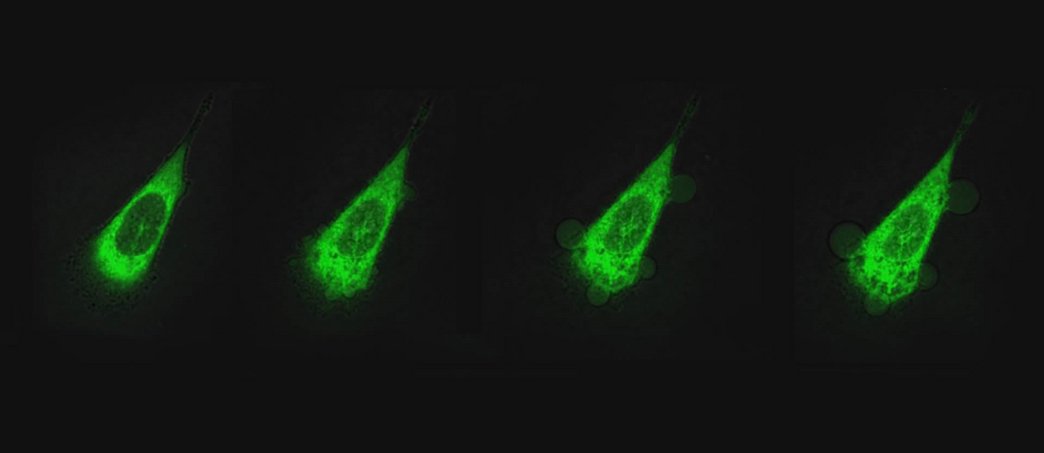
UV-driven drill penetrates cancer cells
Researchers at Rice University in Houston have synthesized molecular motors that can kill cancer cells by drilling holes in them when activated by UV light.
Technology
Packing more data into photons
Physicists at the University of Ottawa have managed to encode more than single bits of information in light quanta, and have successfully transmitted the encrypted data over a distance of 300 meters in a turbulent urban setting.
Technology
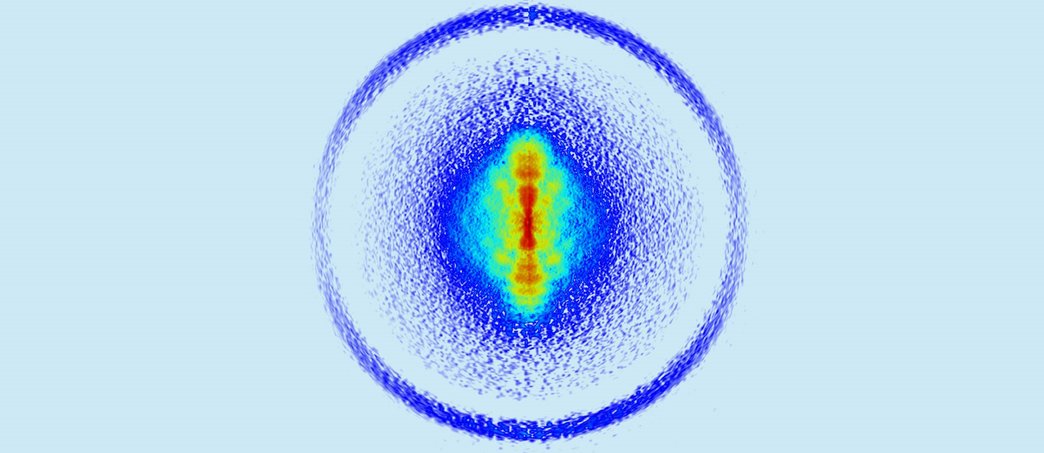
Artworks from the Quantum World
The graphical representation of experimental data in the field of attosecond physics has produced a new genre of geometric art, characterized by aesthetically pleasing forms depicted in all the colours of the rainbow. Outlined against an ink-black background, brightly tinted concentric circles and stellar shapes reveal the fascination of the enigmatic quantum world.
Biology
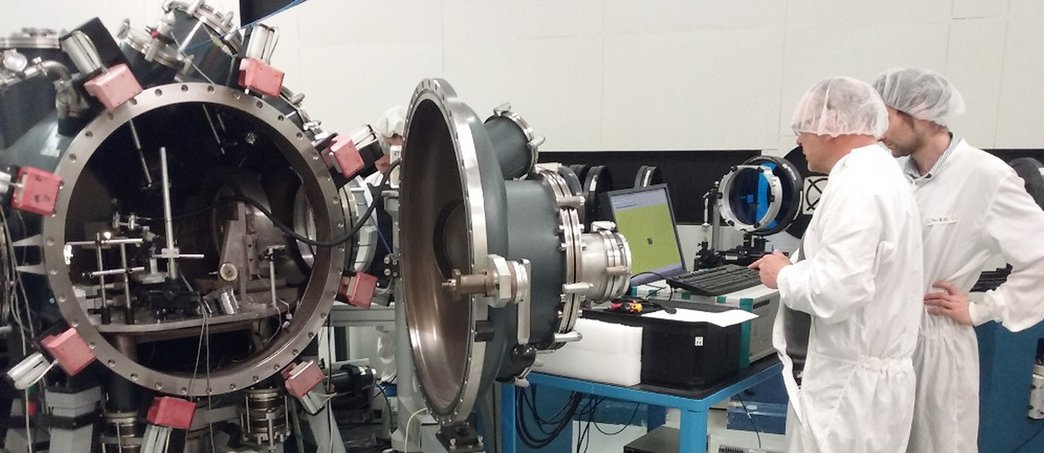
A kick-start for life on Earth?
In simulations of the conditions that prevailed on the Earth 4.5 billion years ago, teams based at the Czech Academy of Sciences in Prague and the Sorbonne in Paris observed the formation of the canonical ribonucleobases specifically under the influence of lightning – and shock waves that mimic the effects of asteroid impacts.
Biotechnology
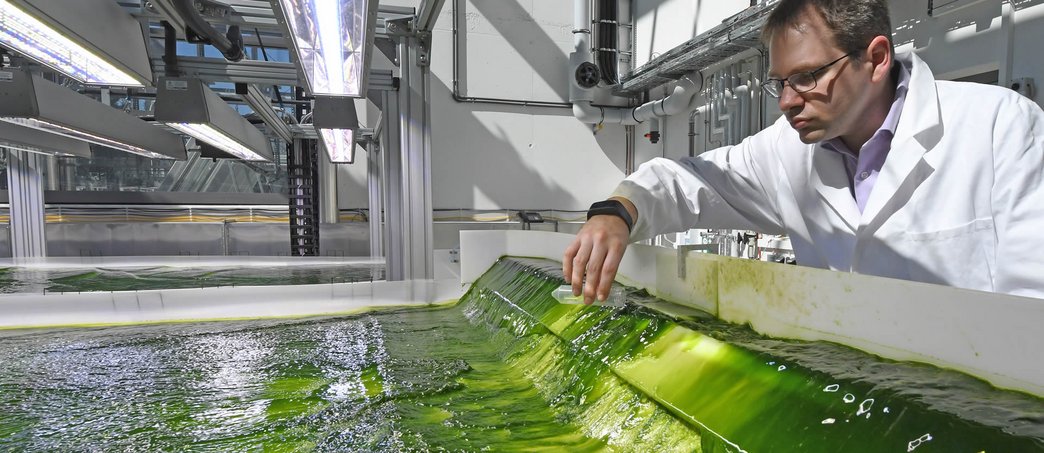
Algae and the Future of Aviation
In the Technical University of Munich’s new TUM-AlgaeTec Center, researchers are exploring the use of microalgae for production of biofuels by exposing the cells to a variety of light levels and temperatures.
Geology
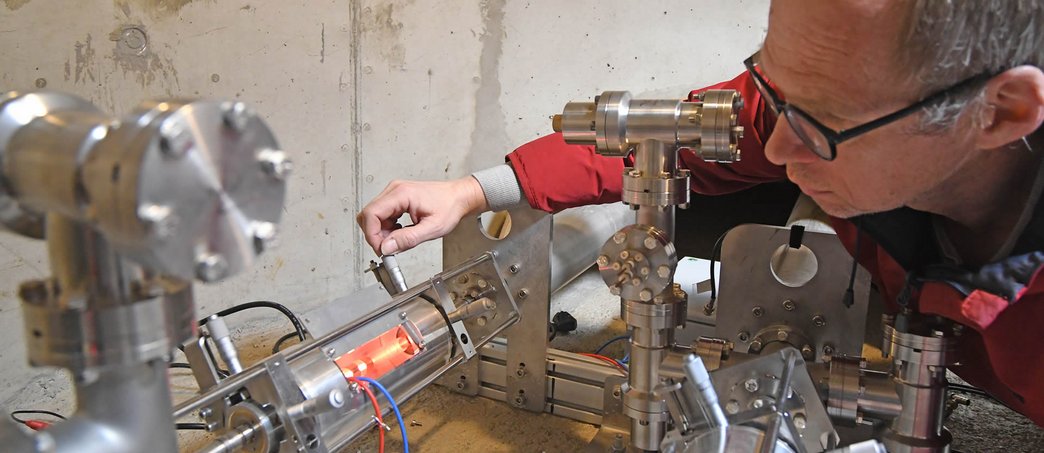
A Light-Based Sensor of Seismic Activity
Built by Munich geophysicists, the world’s first 3-D ring laser for the detection of rotational ground movements is now in operation.
Technology
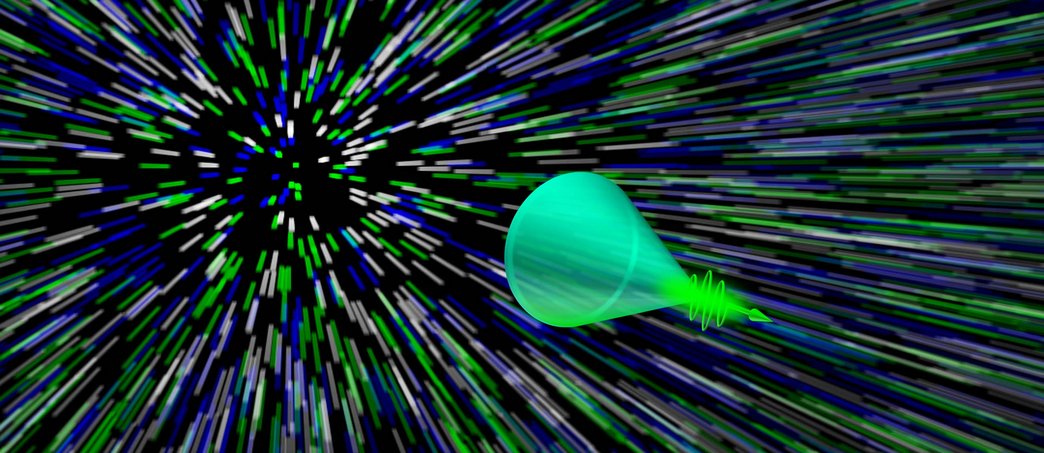
Imaging of the photonic analogue of a sonic boom
A team at Washington University in St. Louis has imaged – for the first time in real time -- the effect of a laser pulse propagating in a scattering medium.
Geology
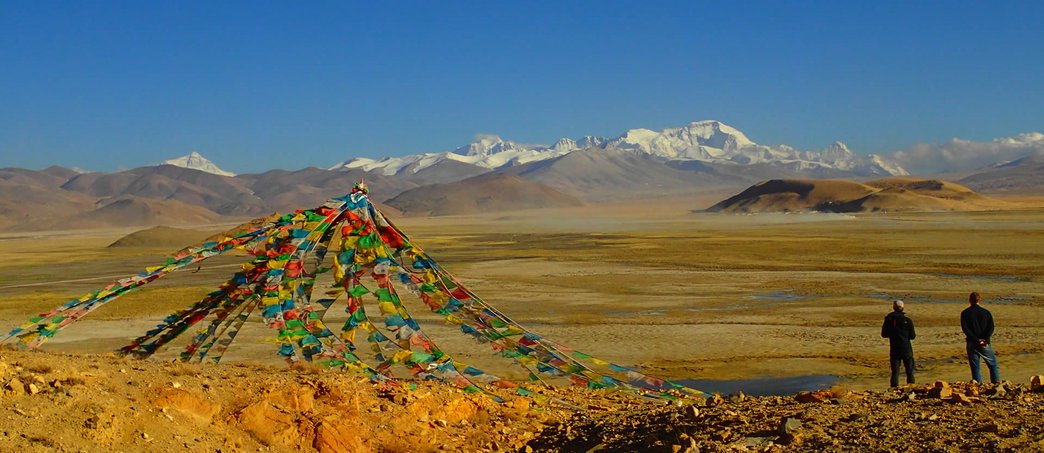
Sand grains shed light on the peopling of Tibet
Light teased from calcite minerals helps to date humanity’s conquest of the Tibetan Plateau
Biology
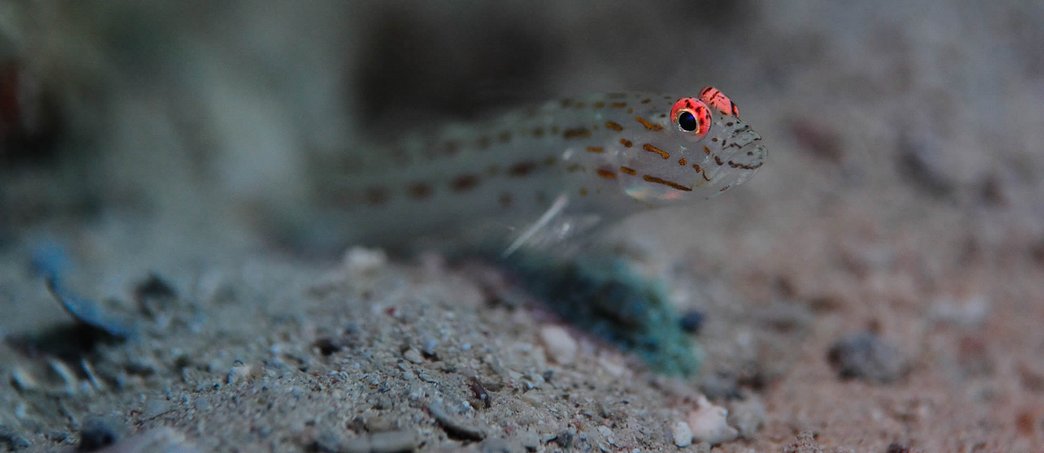
Secret weapon red light
Some fish send out red light deep in the water. That gives them some advantages in their hard fight for survival and in reproduction.
Technology
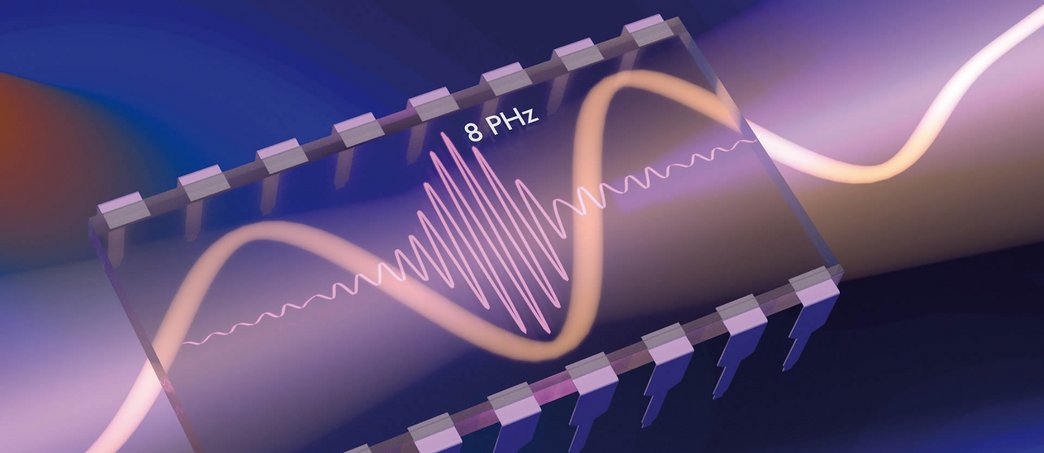
“This is the fastest electric current ever measured”
On the path to faster electronics, the electron flow within a circuit plays a decisive role. Conventional methods such as batteries can be used to generate electron oscillation up to the gigahertz range. Using ultrafast laser pulses, researchers have now managed to move electrons in solid matter at a rate as fast as eight million billion oscillations per second – about one million times faster than previously possible. To measure this extremely fast current flow, the scientists relied on techniques from attosecond physics, since electronic detectors fail to read at such fast rates. They reported on their approach in the journal “Nature”. Franziska Konitzer of Welt der Physik spoke to Eleftherios Goulielmakis from the Max Planck Institute of Quantum Optics in Garching, who was involved in the research.
Technology
Forever Troy
Athanassios Kaliudis, editor-in-chief of the Trumpf company magazine, outlines in his guest commentary a thrilling scenario on how the laser could help us to become nearly immortal.
Technology
Quantum physics games
LMU physicists working with Harald Weinfurter will participate in the international Big Bell Test, which tests the fundamentals of quantum physics. Everyone is invited to make a random entry in a browser-based game on November 30th and thus contribute to scientific experiments.
Technology
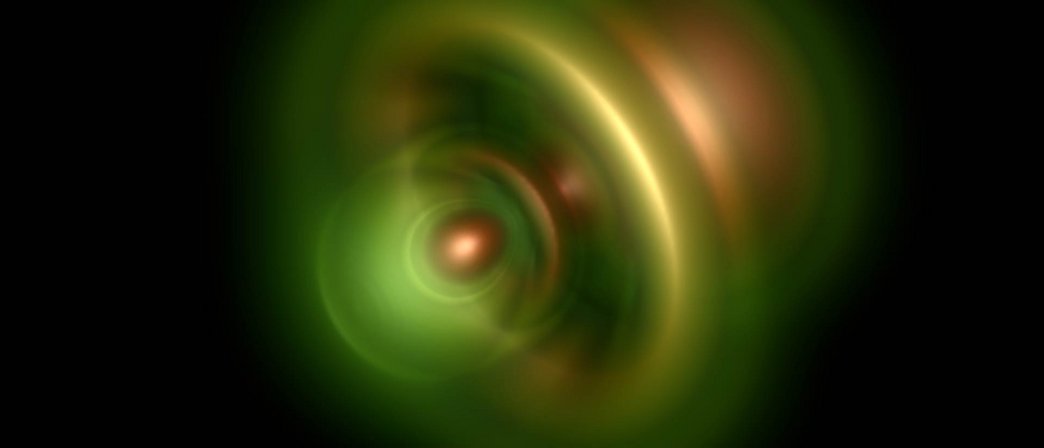
A zeptosecond stopwatch for the microcosm
When light strikes electrons in atoms, their state can change unimaginably quickly. The laser physicists at Ludwig-Maximilians-Universität (LMU) and the Max Planck Institute of Quantum Optics (MPQ) have measured such a phenomenon – namely that of photoionization, in which an electron exits a helium atom after excitation by light – for the first time with zeptosecond precision. A zeptosecond is a trillionth of a billionth of a of a second (10-21 seconds). This is the greatest accuracy of time determination of an event in the microcosm ever achieved, as well as the first absolute determination of the timescale of photoionization.
Slideshow
Glowing Flowers at our glow stick competition
At our Open House day the Photonworld-Team had a lot of fun with glow sticks.The creative works of our visitors were photographed in a black box. Here you find a gallery of the best pics! The winner is the girl with flowers you see in the first picture of the slideshow. Congrats!
Slideshow
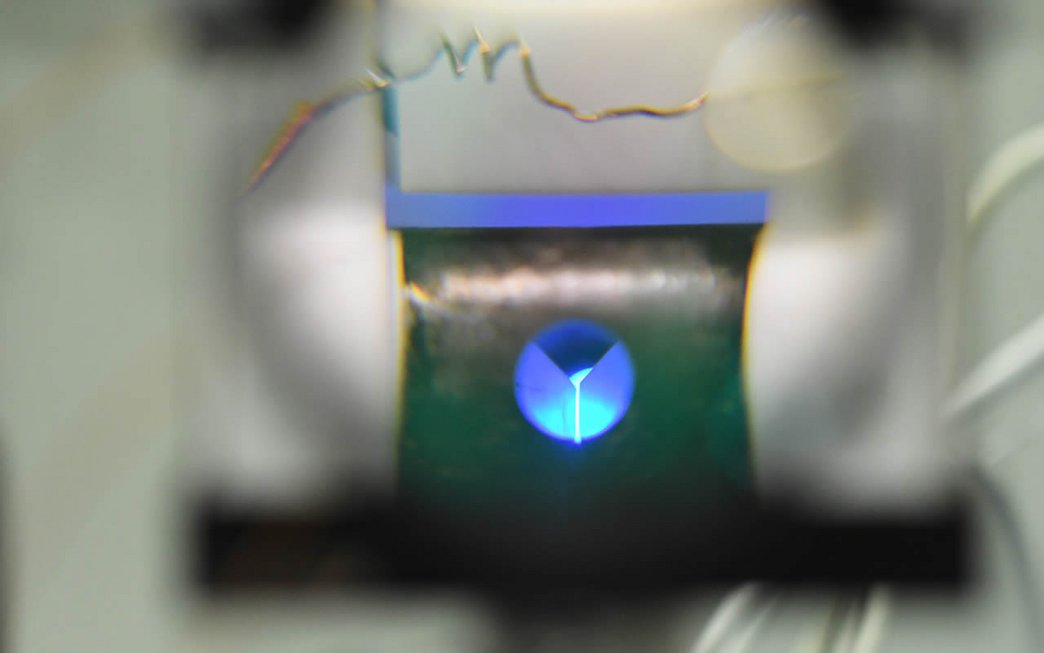
Calculation training for photons
Physicists working with Prof. Gerhard Rempe at the Max Planck Institute of Quantum Optics have used a trick to get photons to interact with one another: they built a quantum logic gate – the foundation of a quantum computer.
Interview
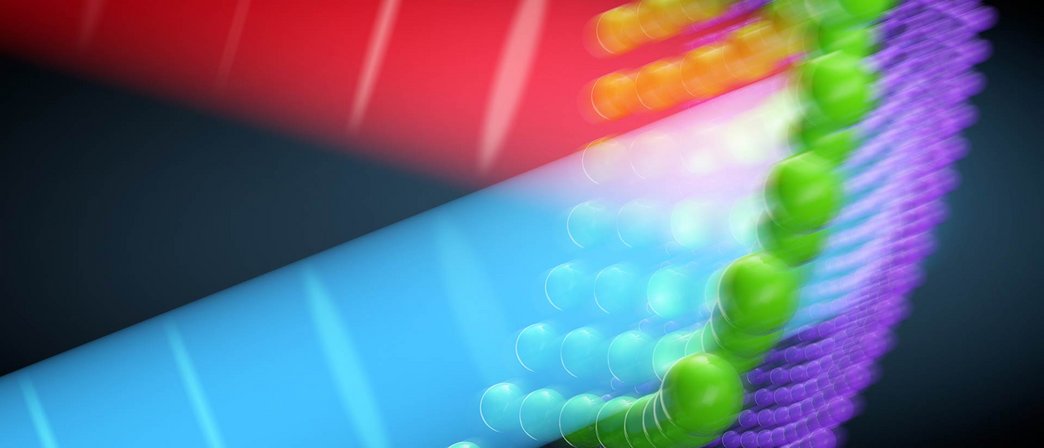
The power of photons
When radiation encounters an obstacle, it creates pressure – much like the wind does when filling a sail. In this interview, LMU professor Jörg Schreiber from the Munich-Centre for Advanced Photonics discusses what the power of light can do.
Technology
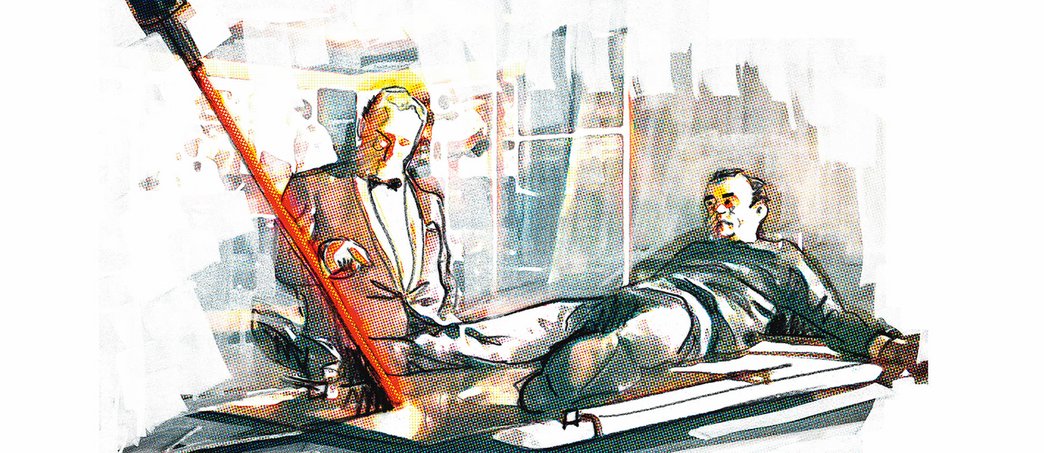
James Bond experiences laser material processing
Athanassios Kaliudis, editor-in-chief of the Trumpf company magazine „Laser Community“, writes in our guest commentary about a famous film scene from the 1960s. Back then one was still looking for possible applications for the laser. Hollywood already had a suggestion.
Slideshow
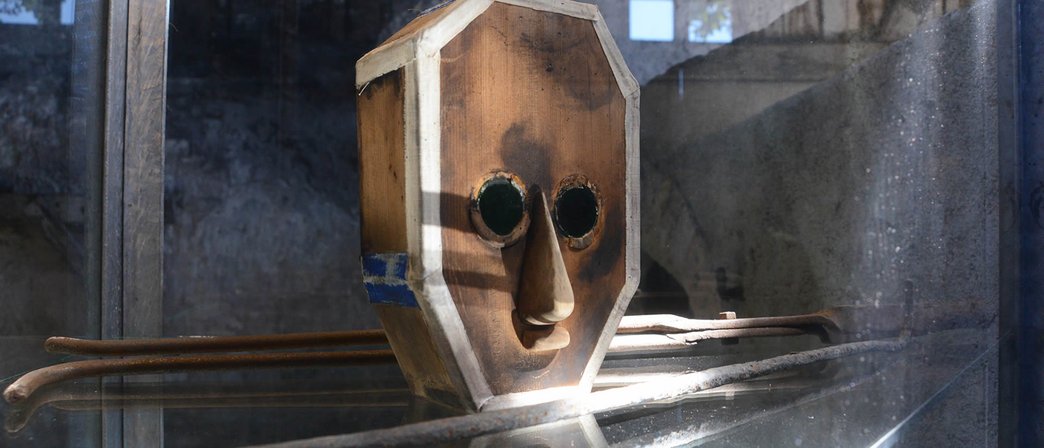
The laboratory that brought us closer to the stars
A visit to the glassworks at Benediktbeuern Monastery transports visitors back in time to the optics pioneers of the 19th century, to where Joseph von Fraunhofer made the world's best telescopes and microscopes of the day.
Technology
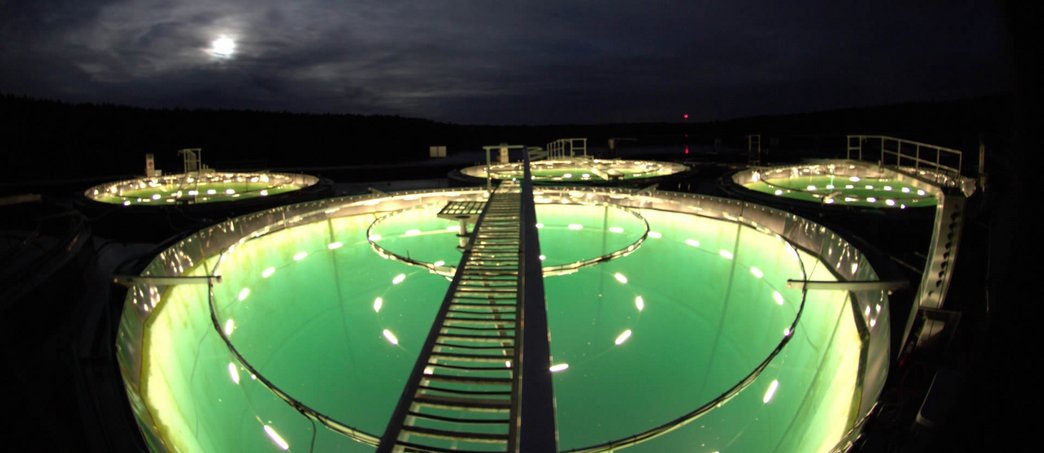
Global change in artificial light
At Lake Stechlin in the German state of Brandenburg, freshwater ecologists explore how animals react to artificial light at night, in order to better understand the global problem of light pollution and its effects on ecology. In recent years, we’ve already gained some insight into the potential impacts of light pollution.
art and culture
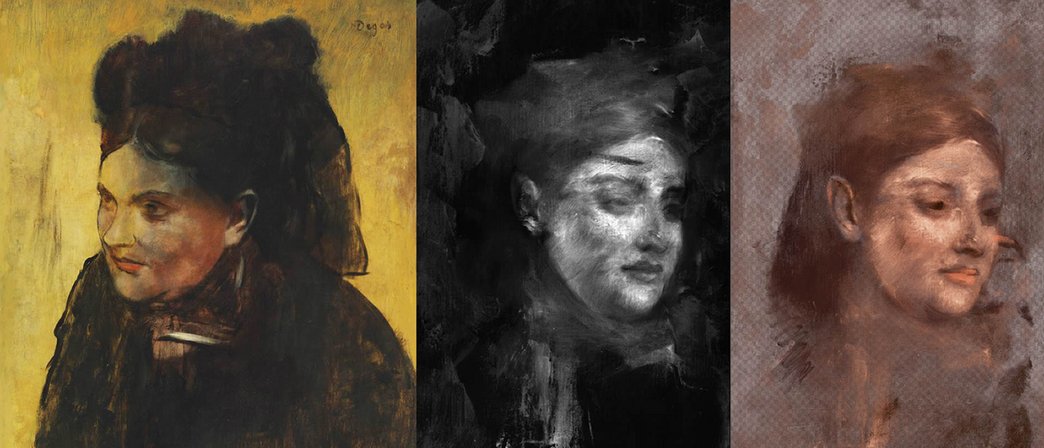
A mysterious face
A second picture is hiding under a portrait painting by Edgar Degas from 1778. A team in Melbourne made it visible by using X-rays at the Australian Synchrotron.
art and culture
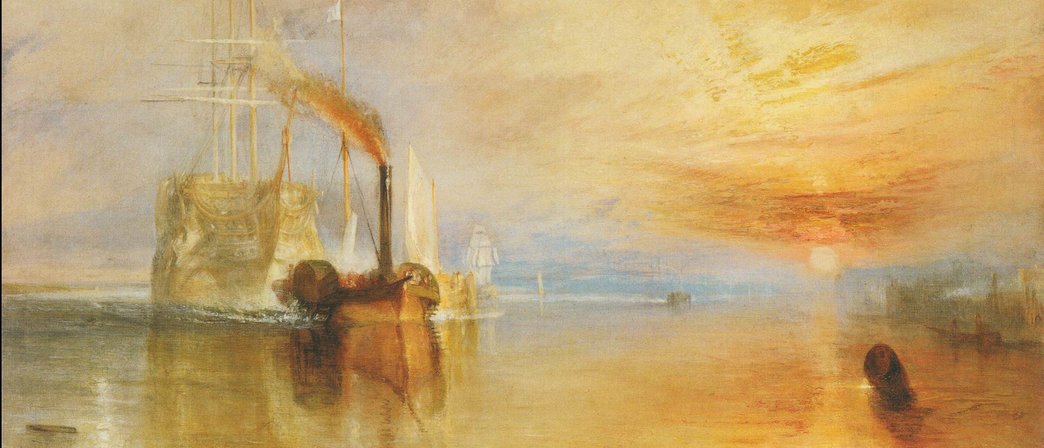
The man who felt the light
At the beginning of the 19th century one was able to understand better what light was about from a physical point of view. This was as well reflected in the art of painting and later on in the photography. One who was able to paint light like no other, was William Turner.
Technology
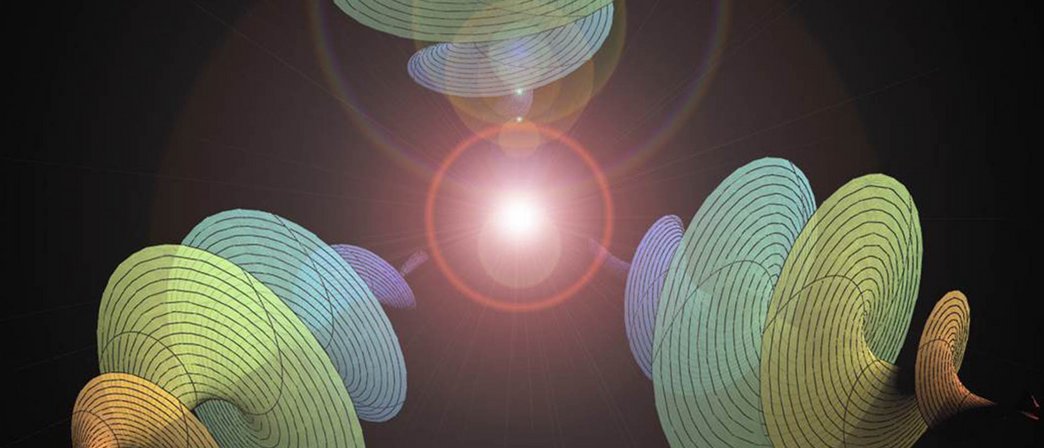
Now in 3D: “Spooky Action at a Distance”
Quantum physicists have entangled three photons in three dimensions. This breakthrough opens up new perspectives for quantum cryptography and data storage in the future.
Technology
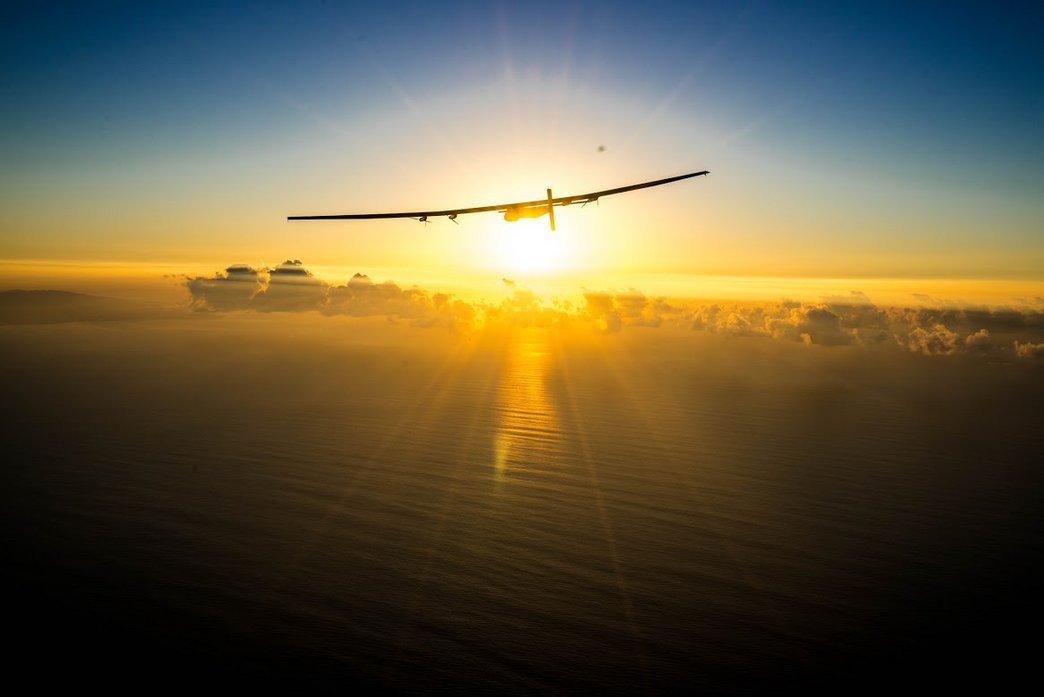
Round the world on solar power
Defying the fate of Ikaros, two intrepid pilots recently completed a round-the-world flight powered by the rays of the Sun. Their specially designed aircraft, Solar Impulse2, completed the trip without consuming a drop of fossil fuel.
Biology
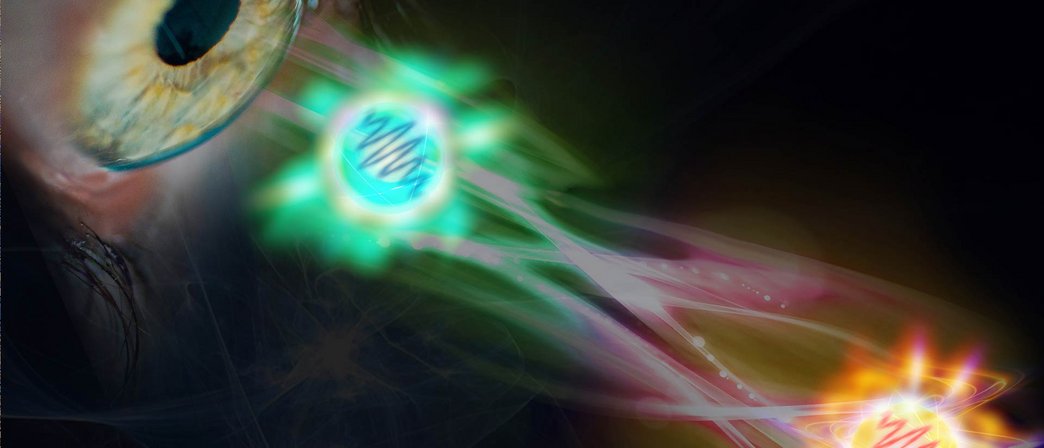
A human eye detects a single photon
Just how dark does it have to be before our eyes stop working? Research by a team from Rockefeller University and the Research Institute of Molecular Pathology in Austria has shown that humans can detect the presence of a single photon, the smallest measurable unit of light. Previous studies had established that human subjects acclimated to the dark were capable only of reporting flashes of five to seven photons.
Technology
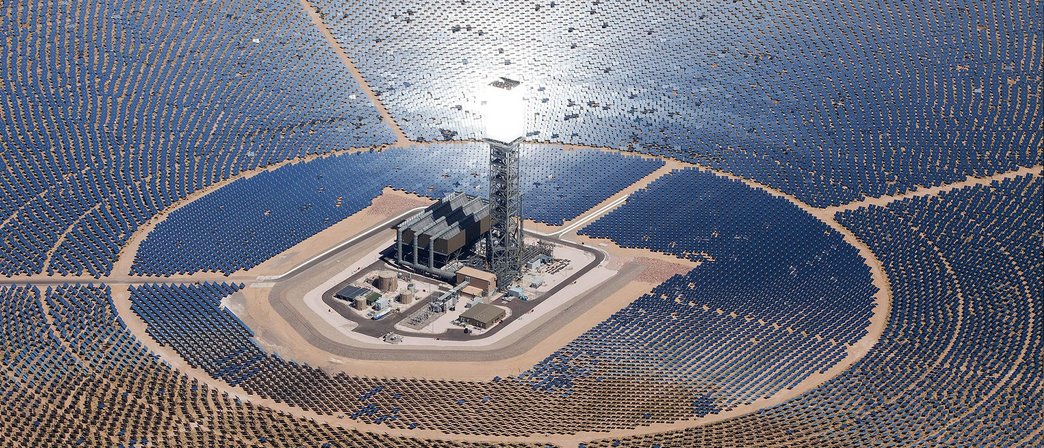
Power from the Tower
A solar thermal power plant is under construction in Israel’s Negev Desert, which will use thousands of mirrors to focus concentrated sunlight onto the highest solar energy tower in the world. German researchers are also working to perfect the technology.
Technology
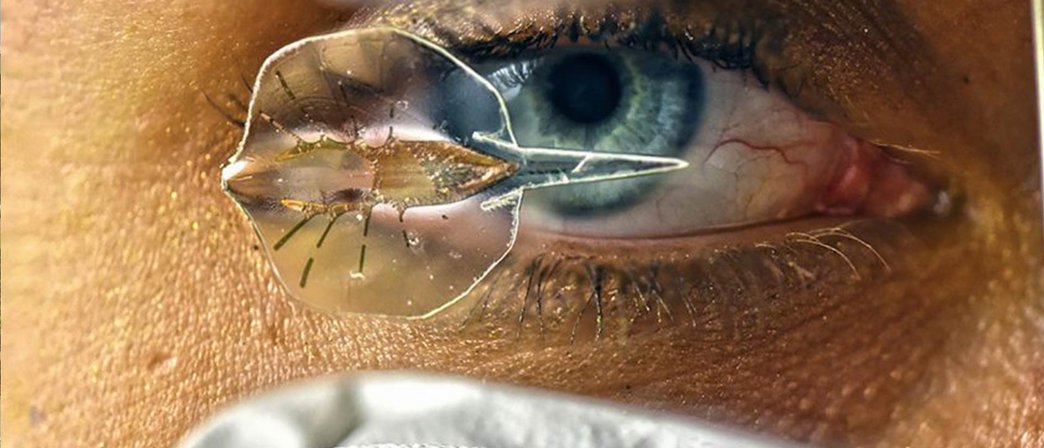
Elegant hybrid being
Bioengineers from Harvard University constructed a ray-like robot made from a gold skeleton and living cells. They control it with light.
Cosmology
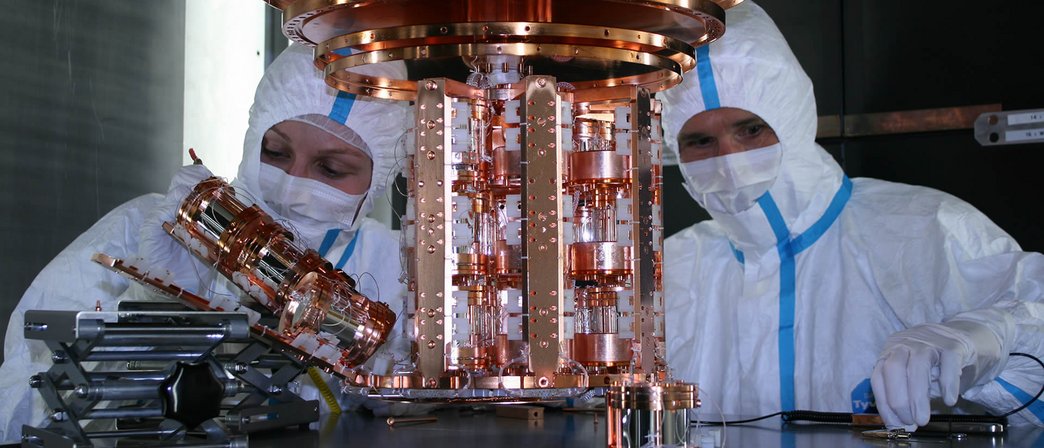
The dark side of the universe
Over the last centuries, astronomers have revealed many mysteries of the universe with the help of light. But since the 1930s, scientists discover more and more hints that the majority of the cosmos is hidden in darkness. It seems that roughly 85% of the universe are made of an — up to now unknown — kind of matter which neither absorbs nor emits light. Consequently, a direct observation with telescopes is not possible. But what is this Dark Matter made of? Why do scientists actually know of its existence if they cannot observe it directly? And are there possibilities and tools to reveal its secrets?
Technology
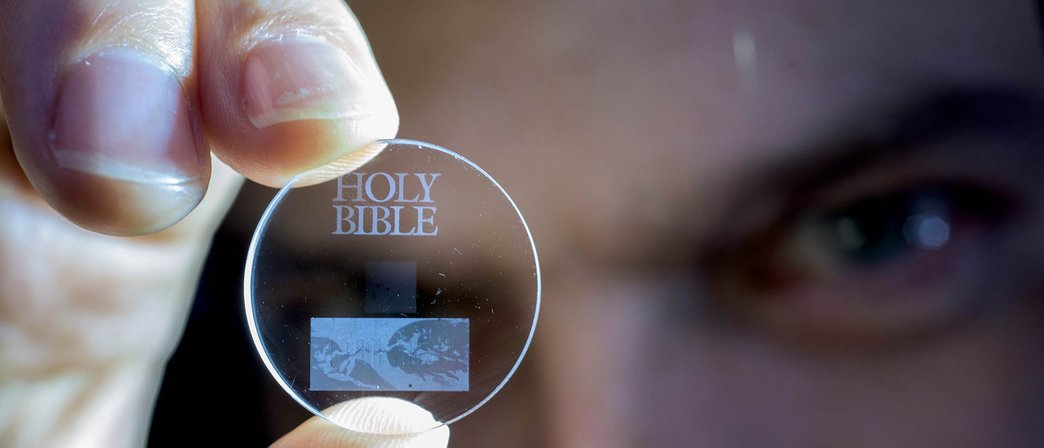
Save for five billion years
A Team of the University of Southampton developed a system that is capable of storing data up to five billion years.
Science Fiction
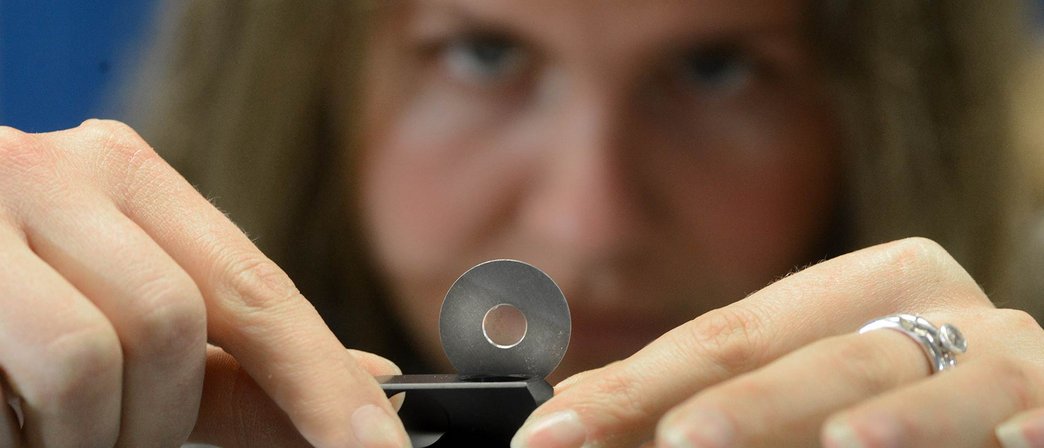
Illusions in the Round
In the future gamers will be able to engage with hologram hordes not just on flatscreens, but in 3D – as soon as light-based computers become available. These machines will process data 100,000 times faster than today’s models. Physicists are actively seeking ways to overcome the technical obstacles that currently stand in the way of optoelectronic computing. A possible solution to the problem of heat dissipation has now been demonstrated.
Biology
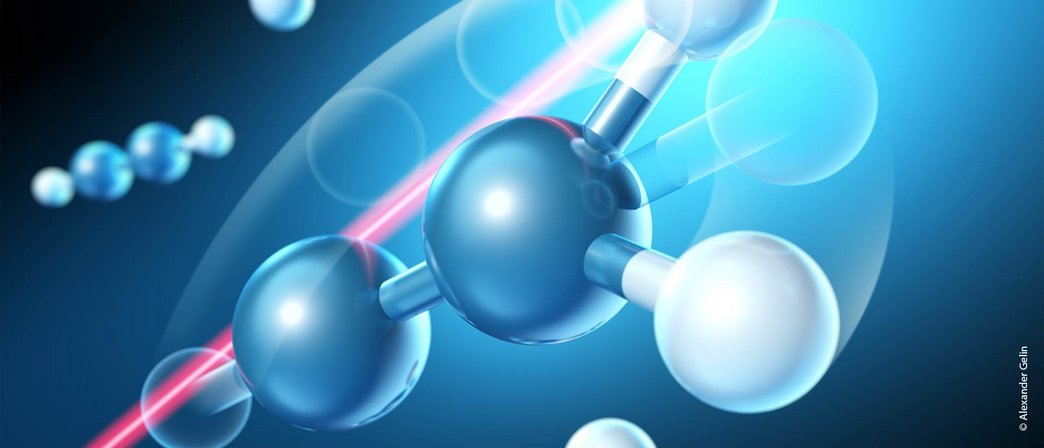
Lasers and the future of drug synthesis
The year is 2060, and thanks to technical advances in production procedures, drugs will be highly specific – and exceptionally effective in extremely small doses. For it is now possible to manipulate the atoms in organic molecules at will – by means of laser light. Physicists at the Max Planck Institute for Quantum Optics and at LMU Munich are now laying the foundations for the realization of such a revolutionary approach to chemical synthesis.
Technology
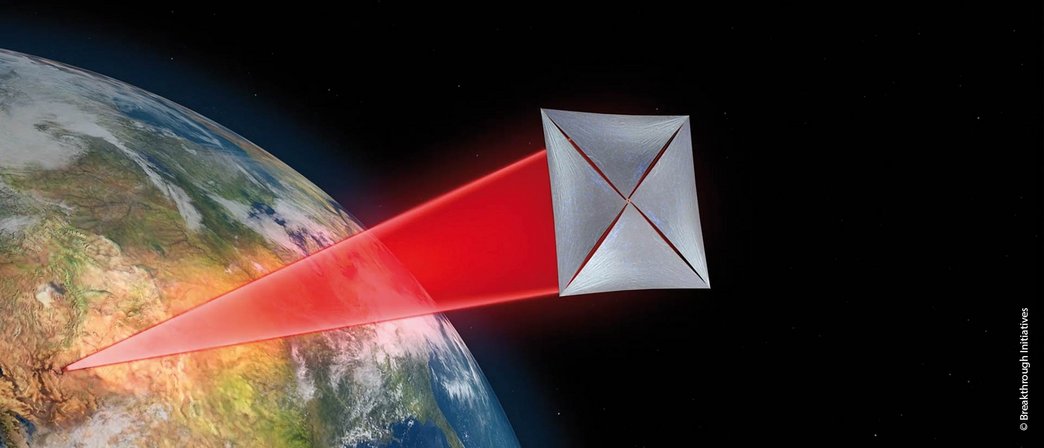
Sailing to the stars
A group of researchers including physicist Stephen Hawking plans to launch laser-powered mini-satellites to our nearest stellar neighbour within the next 15 years.
Physics
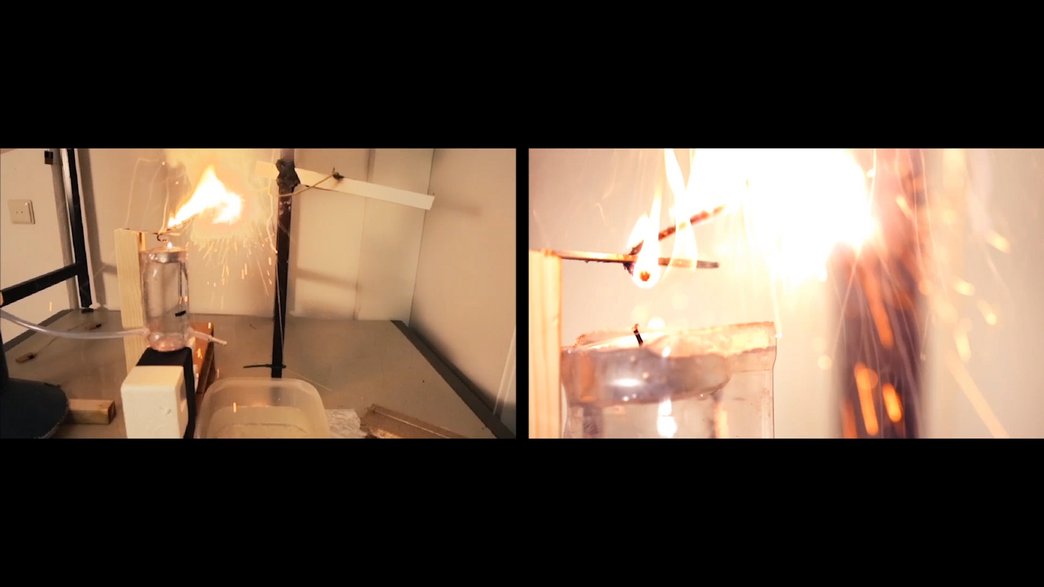
A story of light
A small group of scientists from the Laboratory of Attosecond Physics created a chain reaction device to tell the story of light.
Cosmology
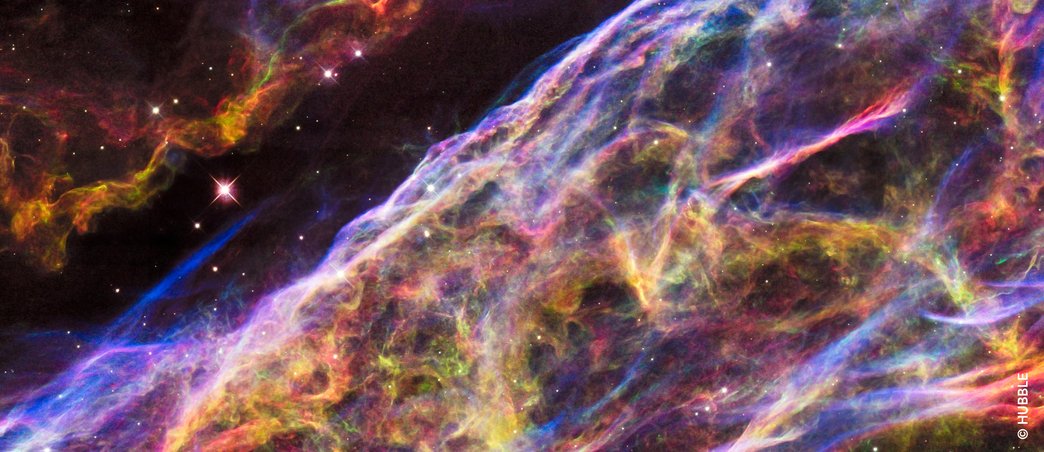
The sun: the engine of life
The birth of stars is chaotic. Hot and cold gases mix in a huge ruckus. Molecular clouds join from complex chemical elements. Dust clouds join in, and ultraviolet radiation bombards the mix. Magnetic fields and gravity bring all this matter together. In this way – or, in a very similar way – our sun was born around 4.7 billion years ago.
Technology
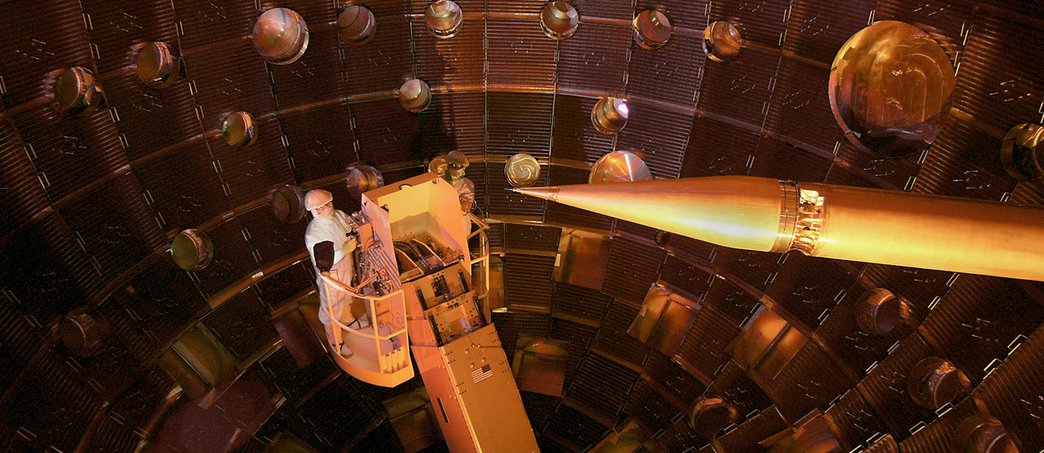
The laser: tool of a thousand possibilities
Light is the entry ticket into deeply hidden worlds of knowledge. When classical mechanics reached its limits decades ago, lasers had just begun their journey. Researchers today use laser light as fine tweezers, ultrafast cameras or precise clockwork mechanisms. Since its invention in 1960, the laser has experienced a boom. With it, scientists can explore both the tiniest structures in the microcosm, and huge natural phenomena in the farthest reaches of the universe.
Technology
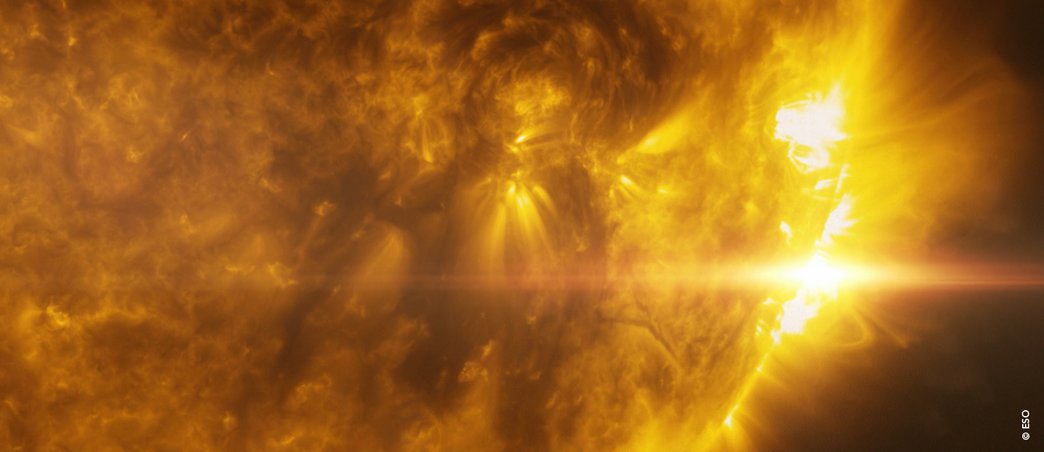
Fueled by the sun
The sun is the most important source of energy for life on earth. This energy, in the form of sunlight, is harnessed and fully exploited by nature with its own systems: think of plants growing, flowering and producing fruit, the changing seasons, and our own circadian rhythms. The resourceful human race has used sunlight since the beginning of our history, too: for example, for warmth, for preserving and drying food, and for removing salt from seawater to create freshwater. But human innovation has recently uncovered ways in which we can maximize the sun’s massive energy potential even more.
Biology
Unleashing the power of light to control life
The human brain is a tremendously complex system. Out of this enormous complexity, patterns like cognition, emotion and behavior somehow emerge. What laws, principles and mechanisms make this possible? Can we reconstruct how the human brain really works? Neuroscience has been revolutionized by optogenetics — a combination of optics and genetics using laser light to understand and control biological processes within living systems.
Technology
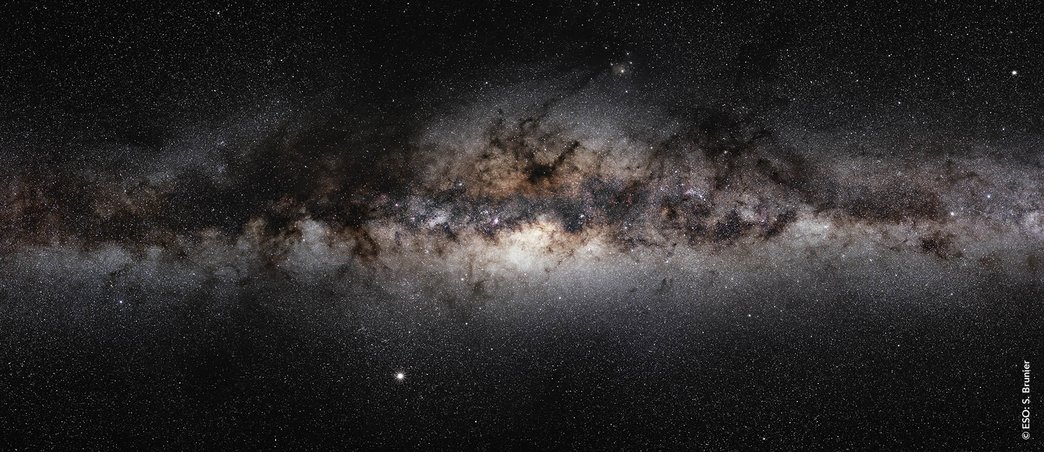
The speed of light — and its limits
Light seems to be infinitely fast. A lamp alights in the moment one flips the switch, and the exchange of information around the world using glass fibers happens without noticeable delay. But are there situations in which we recognize a limitation of the speed of light? On which scales can we prove its finiteness?