


Mediathek
Die Grundlagen des Lichts
Eine Einführung in die faszinierende Welt des Lichts von Silke Stähler-Schöpf aus dem Max-Planck-Institut für Quantenoptik (Schülerlabor PhotonLab).
No matching videos found.
 65 years of laser technologyEvery year on May 16, the world celebrates the International Day of Light to commemorate a milestone in science and technology - the birth of the first laser in 1960. On this day, physicist Theodore H. Maiman succeeded in producing coherent light for the first time. Editorial assistant Umai Umai Galadriel Chibbaro Leiva gives us a brief insight into this.
65 years of laser technology
Every year on May 16, the world celebrates the International Day of Light to commemorate a milestone in science and technology - the birth of the first laser in 1960. On this day, physicist Theodore H. Maiman succeeded in producing coherent light for the first time. Editorial assistant Umai Umai Galadriel Chibbaro Leiva gives us a brief insight into this.
 Fast-moving processes in the microcosmHow incredibly short are attoseconds? And how can such ultrashort laser pulses enable innovative approaches, both now in the field of basic research and in the future in practical applications in the field of medical diagnostics? Prof. Ferenc Krausz explores these questions in his online lecture held in German.
Fast-moving processes in the microcosm
How incredibly short are attoseconds? And how can such ultrashort laser pulses enable innovative approaches, both now in the field of basic research and in the future in practical applications in the field of medical diagnostics? Prof. Ferenc Krausz explores these questions in his online lecture held in German.
 What is a photon?What is a photon? What sounds like a basic physics course turns out in Prof. Rempe's lecture to be a question not easily answered in the course of the history of science. Nevertheless, there is an amazingly catchword-like answer at the end of the video! The talk is in German language. However, the accompanying text and images are in English.
What is a photon?
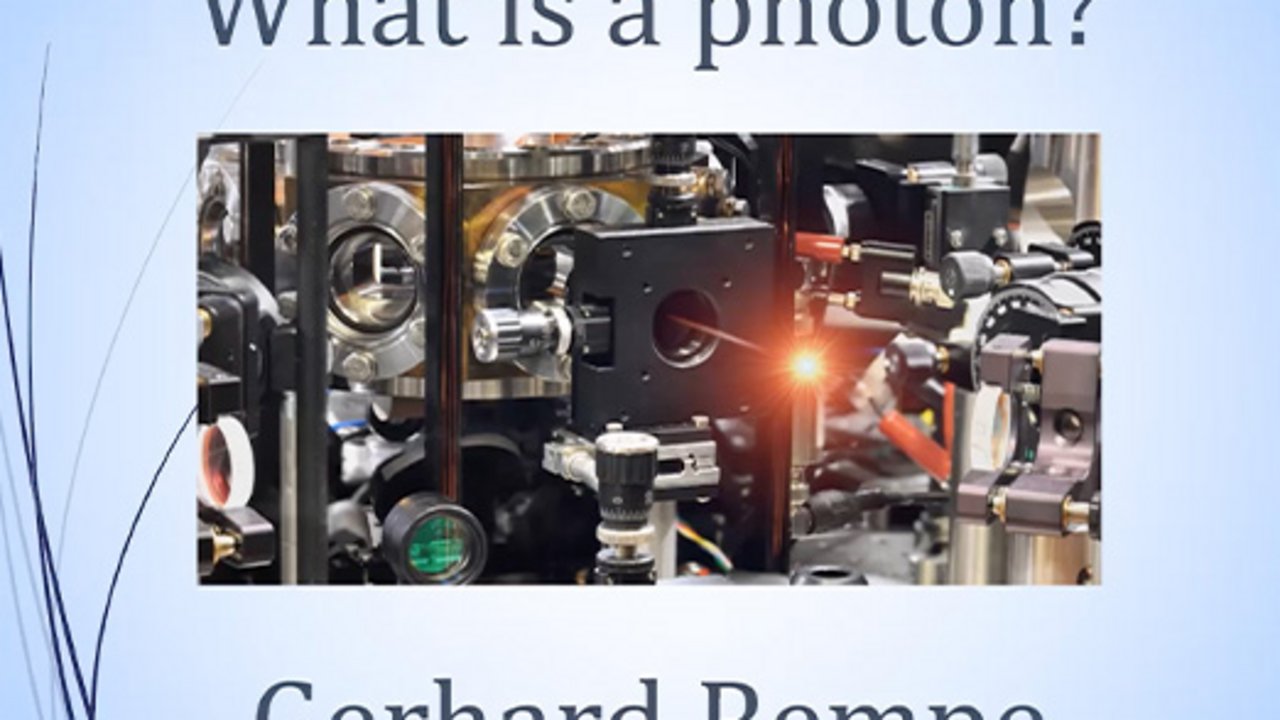
What is a photon? What sounds like a basic physics course turns out in Prof. Rempe's lecture to be a question not easily answered in the course of the history of science. Nevertheless, there is an amazingly catchword-like answer at the end of the video! The talk is in German language. However, the accompanying text and images are in English.
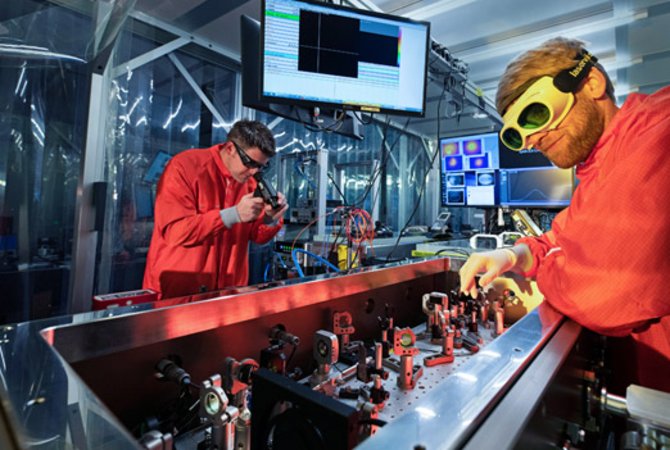 Molecular FingerprintScientists at the Laboratory for Attosecond Physics have developed a unique laser technology for the analysis of the molecular composition of biological samples. Could a combination of laser sciences and molecular detection be cracking the limits of molecular sensing?
Molecular Fingerprint
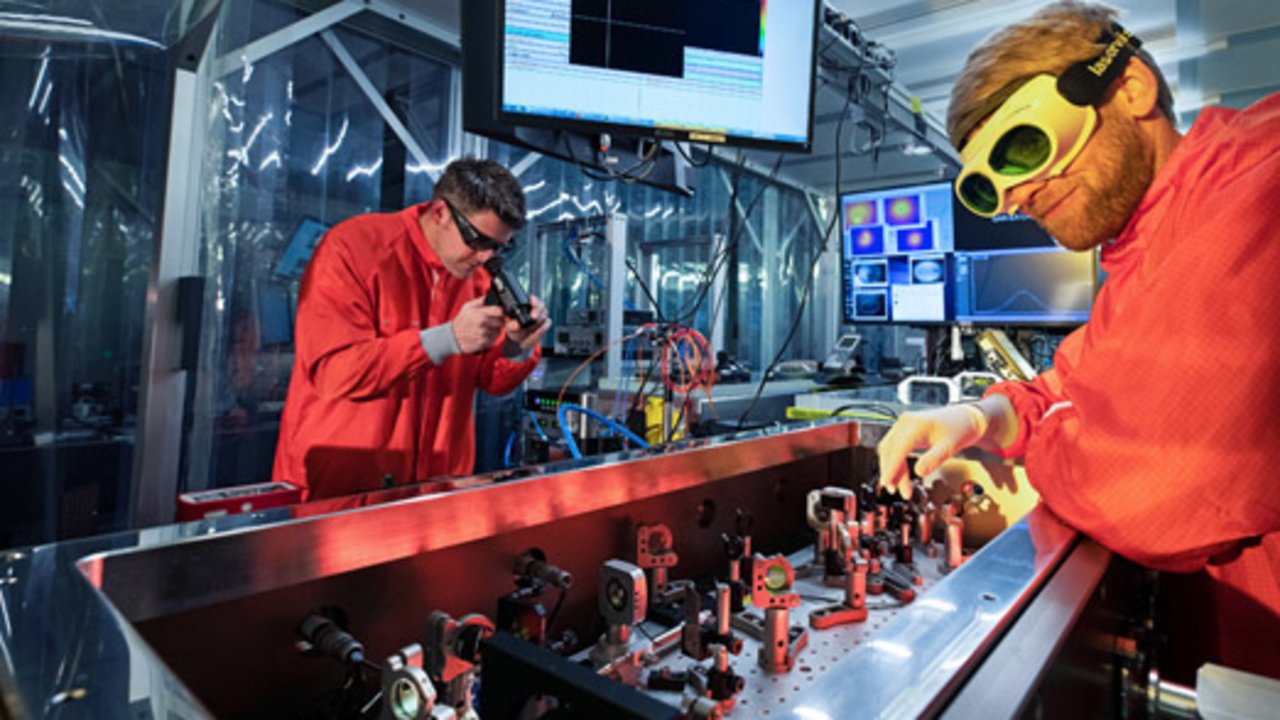
Scientists at the Laboratory for Attosecond Physics have developed a unique laser technology for the analysis of the molecular composition of biological samples. Could a combination of laser sciences and molecular detection be cracking the limits of molecular sensing?
 Playgrounds - A song for laser harpThe Munich music duo "Elwood & Reßle" has recorded a song especially for the laser harp of our exhibition "Lasers | Light | Life". Lean back and listen!
Playgrounds - A song for laser harp
The Munich music duo "Elwood & Reßle" has recorded a song especially for the laser harp of our exhibition "Lasers | Light | Life". Lean back and listen!
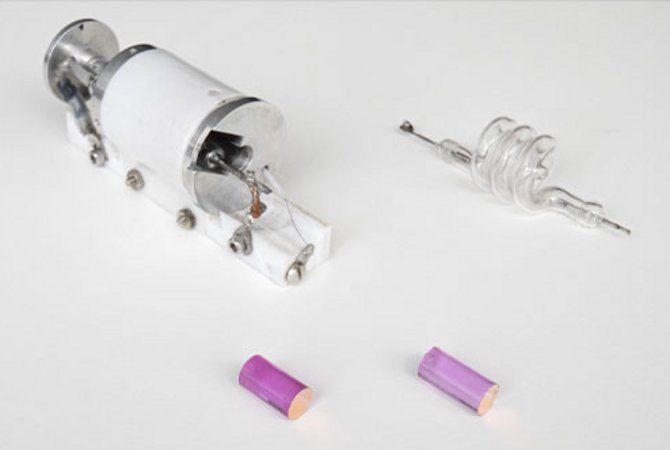 The world´s first functioning laserOn May 16, 1960, the laser was born. The device that Theodore Maiman built, still exists. Together with Ted Maiman's lab book, the historic laser is on display at the Max Planck Institute of Quantum Optics. Dr. Matthew Weidman, group leader of the attosecond metrology 2.0 team in attoworld, explains the individual components and the principle of how a laser works.
The world´s first functioning laser
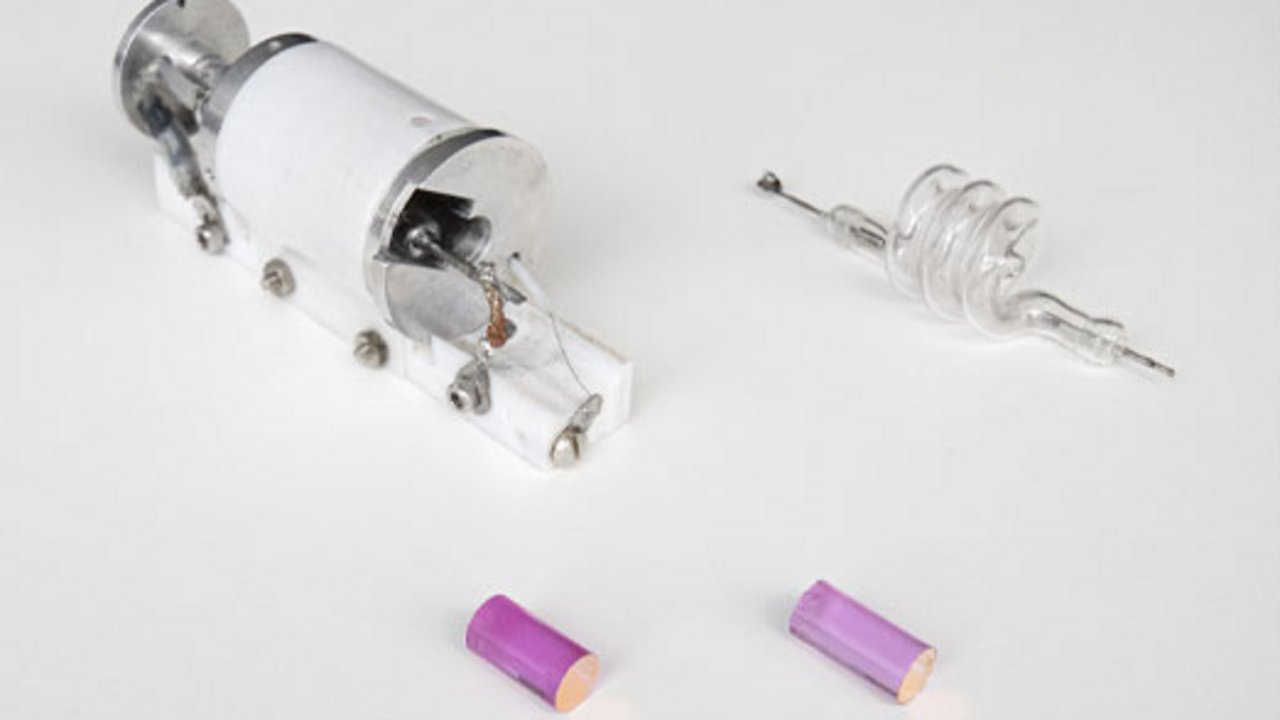
On May 16, 1960, the laser was born. The device that Theodore Maiman built, still exists. Together with Ted Maiman's lab book, the historic laser is on display at the Max Planck Institute of Quantum Optics. Dr. Matthew Weidman, group leader of the attosecond metrology 2.0 team in attoworld, explains the individual components and the principle of how a laser works.
 Die Grundlagen des LichtsEine Einführung in die faszinierende Welt des Lichts von Silke Stähler-Schöpf aus dem Max-Planck-Institut für Quantenoptik (Schülerlabor PhotonLab).
Die Grundlagen des Lichts
Eine Einführung in die faszinierende Welt des Lichts von Silke Stähler-Schöpf aus dem Max-Planck-Institut für Quantenoptik (Schülerlabor PhotonLab).
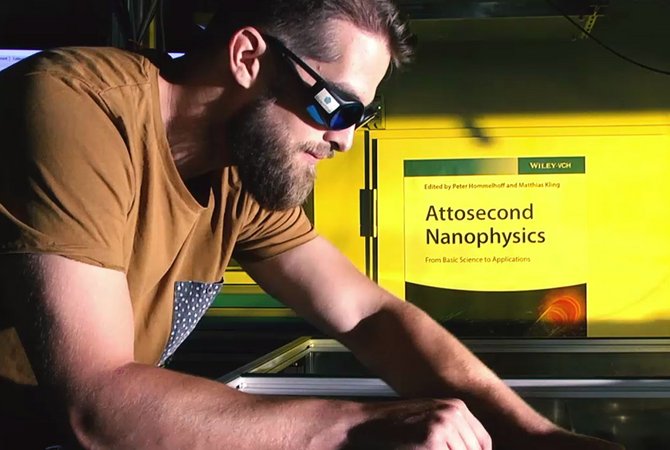 An attosecond physicist on the way to his doctor's degreeJohannes Schötz is one of the PhD students in the team of the Laboratory of Attosecond Physics. During summer 2017 we have accopompanied him with the camera. Here we present his work at the Max Planck Institute of Quantum Optics and the Ludwig-Maximilians Universität.
An attosecond physicist on the way to his doctor's degree
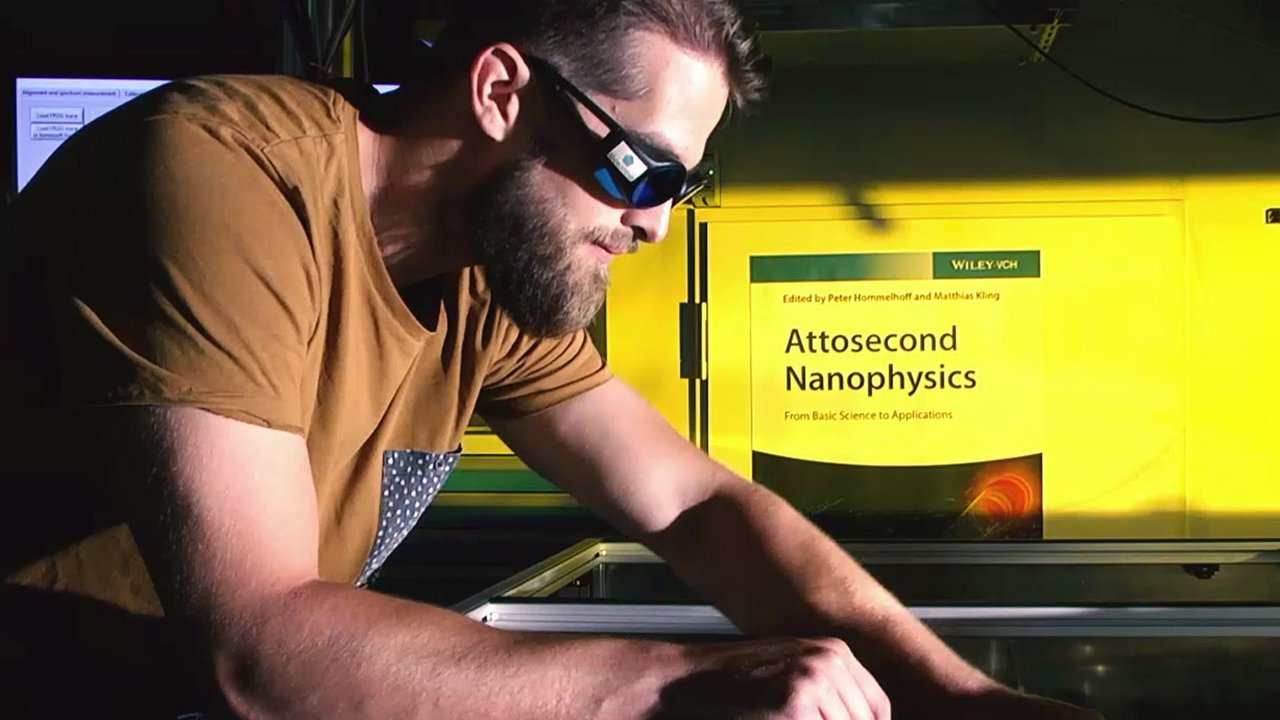
Johannes Schötz is one of the PhD students in the team of the Laboratory of Attosecond Physics. During summer 2017 we have accopompanied him with the camera. Here we present his work at the Max Planck Institute of Quantum Optics and the Ludwig-Maximilians Universität.
 Sluggish electronsOur video from the laboratory shows scientists exploring how electrons react under the influence of light by using attosecond light flashes.
Sluggish electrons
Our video from the laboratory shows scientists exploring how electrons react under the influence of light by using attosecond light flashes.
 Movies out of the microcosmThe view inside the laboratory of Electron Diffractometry shows how LMU physicists control electron pulses with Terahertz radiation and how they use them to produce movies of the microcosm.
Movies out of the microcosm
The view inside the laboratory of Electron Diffractometry shows how LMU physicists control electron pulses with Terahertz radiation and how they use them to produce movies of the microcosm.
 A switch for the futureThe movie shows how scientists of the Laboratory for Attosecond Physics try to speed up future technologies by using light as a switch.
A switch for the future
The movie shows how scientists of the Laboratory for Attosecond Physics try to speed up future technologies by using light as a switch.
 Wonderful electrons
 Atoms and their building blocks